
Simms G4 Pro Shift Pack: Video
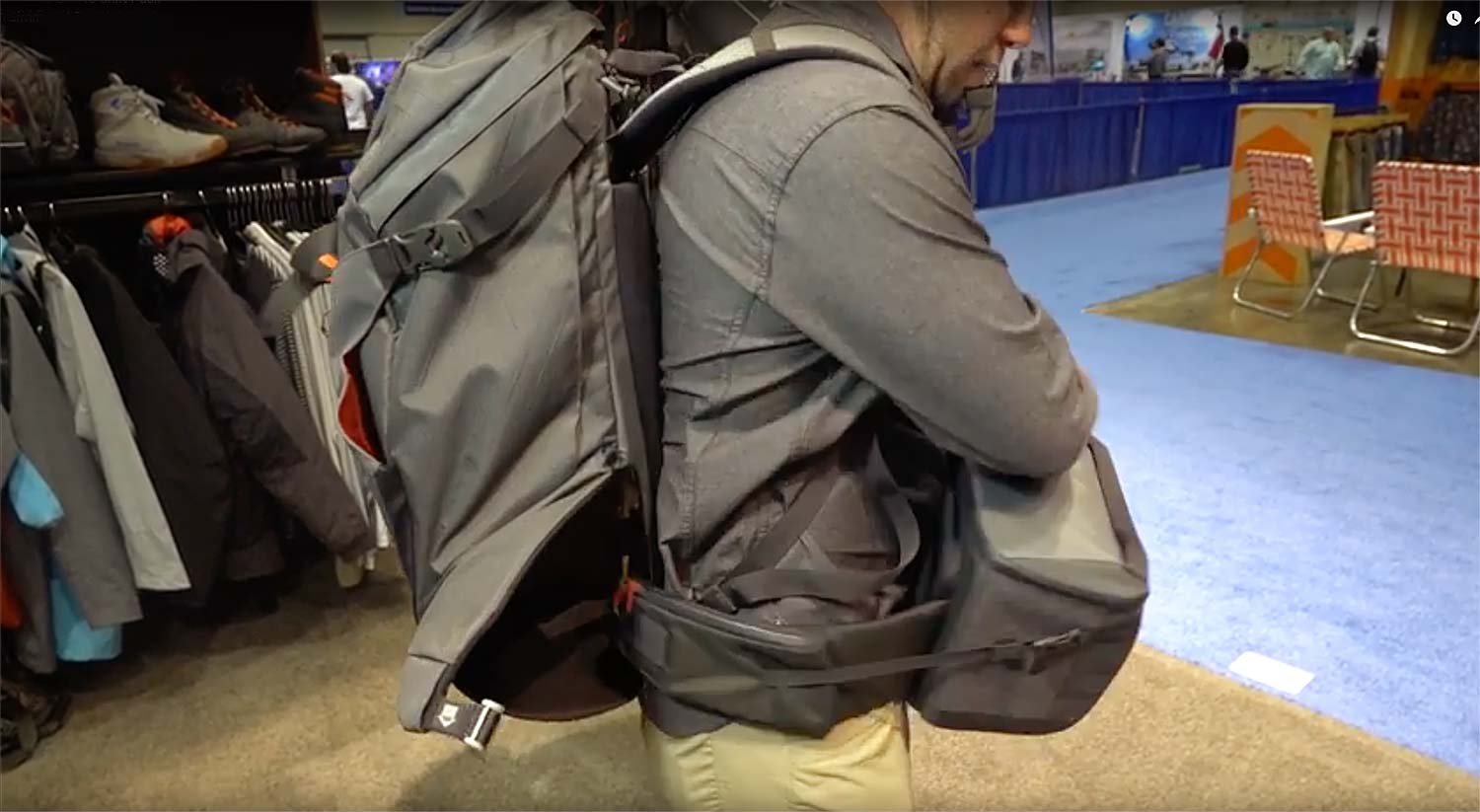
Here’s a fly fishing backpack with a hidden talent.
The new G4 Pro Shift Pack from Simms makes fishing remote, hike-in destinations a breeze.
It’s always a challenge to carry everything you need for a long day, or two, hiking and fishing backcountry locations. Changing weather and the rigors of hiking require a lot of food, water and gear. Managing it all in a pack that still allows you to fish efficiently is no easy task.
The new Simms Shift Pack is designed to do just that. It’s a fully functional day pack with tons of specialized storage for anglers, including a great fly fishing wast pack that slides easily out the side without removing the pack. It’s pretty cool and very thoughtfully designed.
Watch the video to see all the features of the new Simms G4 Pro Shift Pack.
Read More »Early Riser
By Justin Pickett
Many people respond with bewilderment and even cringe when they realize how early I’m willing to rise “just to go fishing.”
I smile and attempt to explain, but it just isn’t possible for those who have never experienced the predawn hours, like I have, to truly understand why. It’s for this moment….
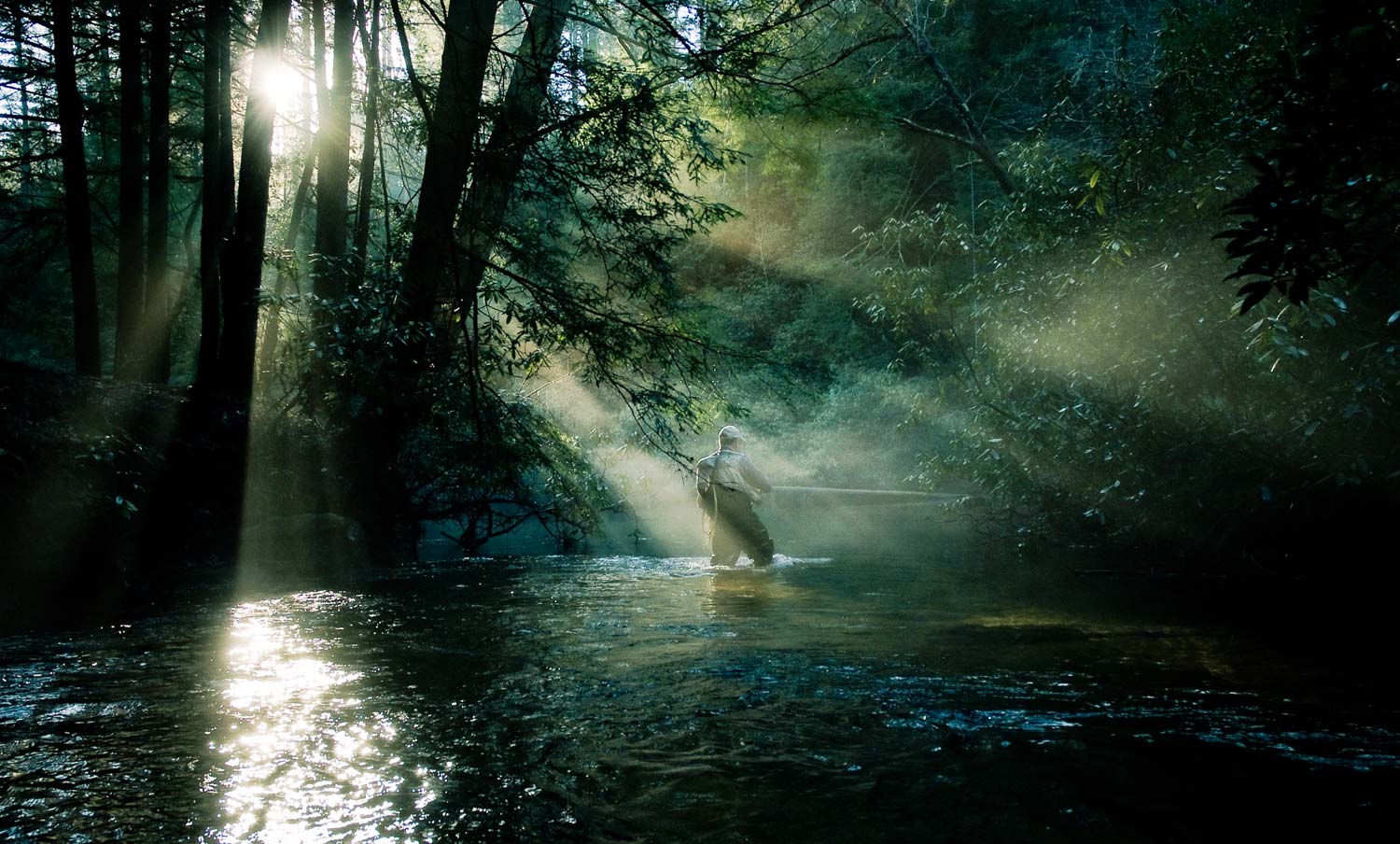
When the first streaks of sunlight pierce through a dense canopy of ancient Hemlocks, casting a bluish glare on the water. The dark of night fades to a velvety purple before being overtaken by a deep, brilliant blue. Shadows recede to reveal a most brilliant palate of colors. Bluebirds and Swallows begin their morning songs as a gobbler sounds off in the distance. The once invisible babble of the creek comes to life as the first risers poke their noses through the foam. The scampering of squirrels bounding around the wispy fog on the forest floor. Everything around you springing to life as if the sun was the heart, and the flora and fauna the
Read More »Search out the Small Water in the Big Water
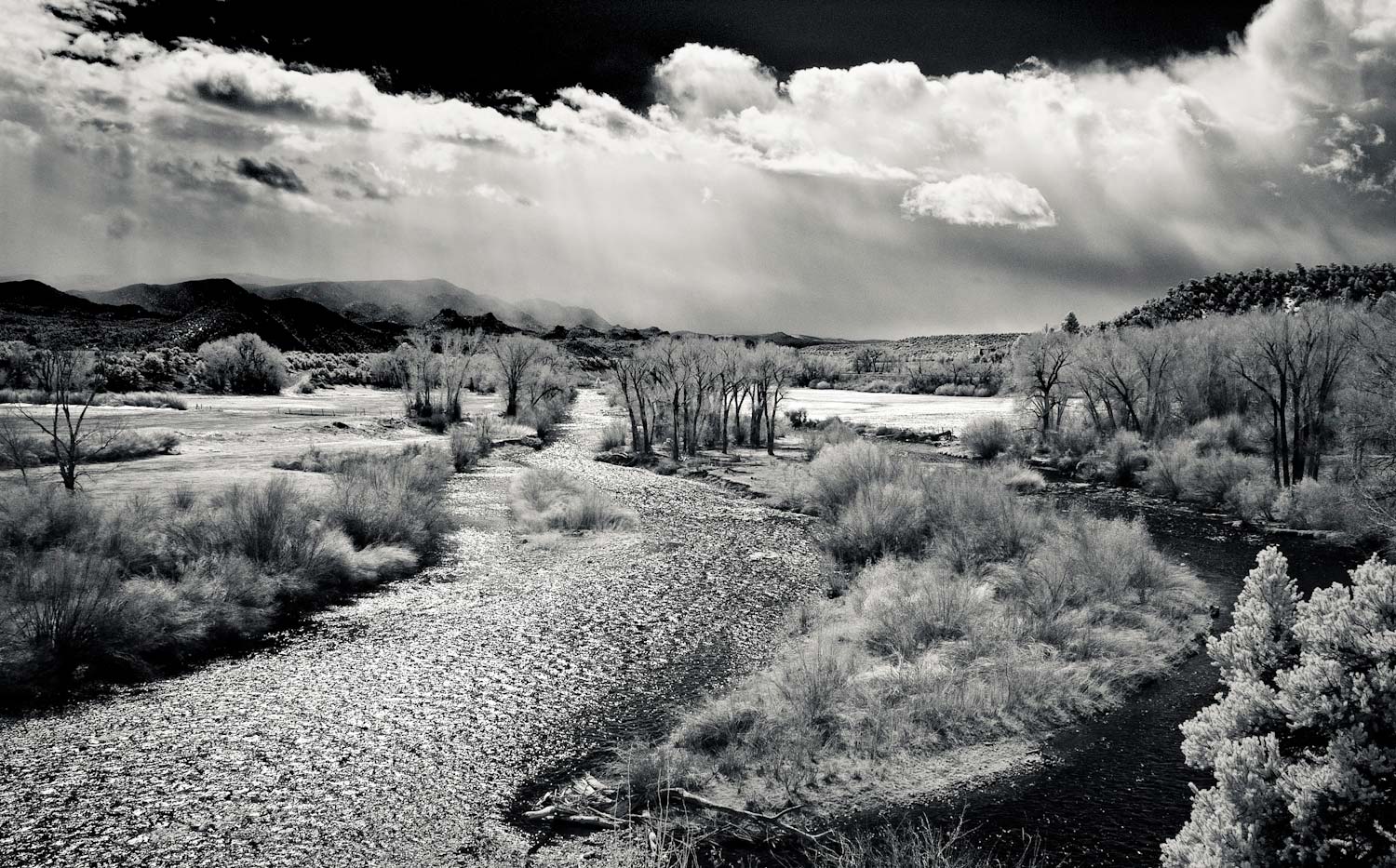
“Big water is much harder for us to dissect and visualize what we’re fishing. You can’t always see the fish you’re fishing to and it’s much harder for beginners to distinguish productive from unproductive water. When you find yourself in this situation and you’re overwhelmed, try searching out the small water amongst the big water.”
Read More »Sunday Classic / Too Much Mending Can Ruin Your Drift
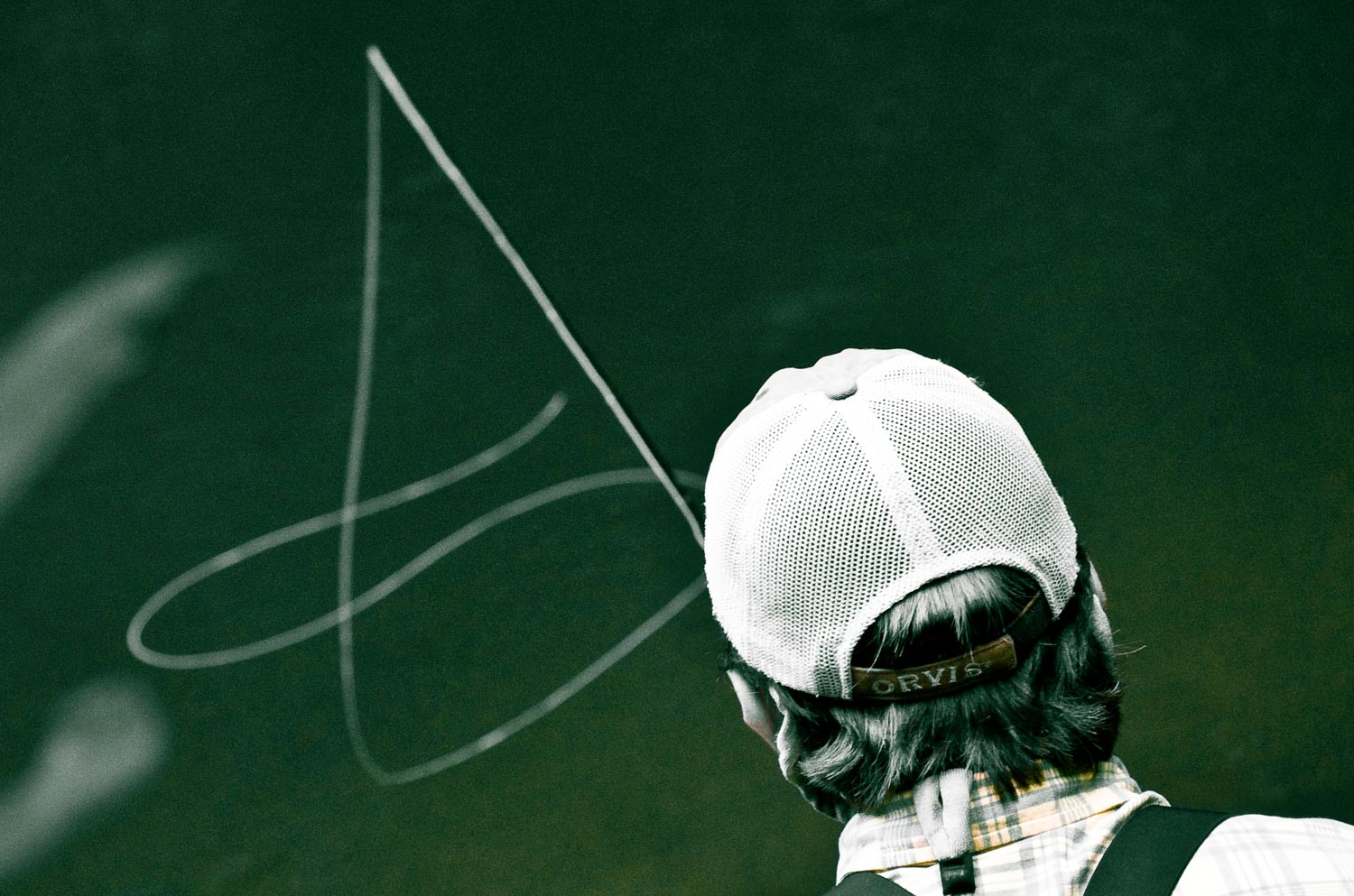
One of the most critical techniques of fly fishing that anglers often lack knowledge in, is understanding how to properly mend fly line during the drift. If I tallied up all the time I spend each day instructing clients on various fly fishing techniques, teaching the art of mending fly line would easily rank number one on the list. I bet I say the word “mend” a thousand times a day. It’s not that difficult to mend fly line, all it takes is a little practice and time on the water to get the hang of it. In my opinion, it’s much easier to learn how to mend than the art of fly casting. The main reason mending takes so long for fly anglers to master is because the timing of the mend, the direction of the mend and the size of the mend can change from one presentation to the next. Two of the biggest mending problems I see on the water is bad technique and mending fly line too much during the drift. When mending is done correctly, you usually only need one or two mends per drift to get the job done.
Read More »Saturday Shoutout / Out of Office
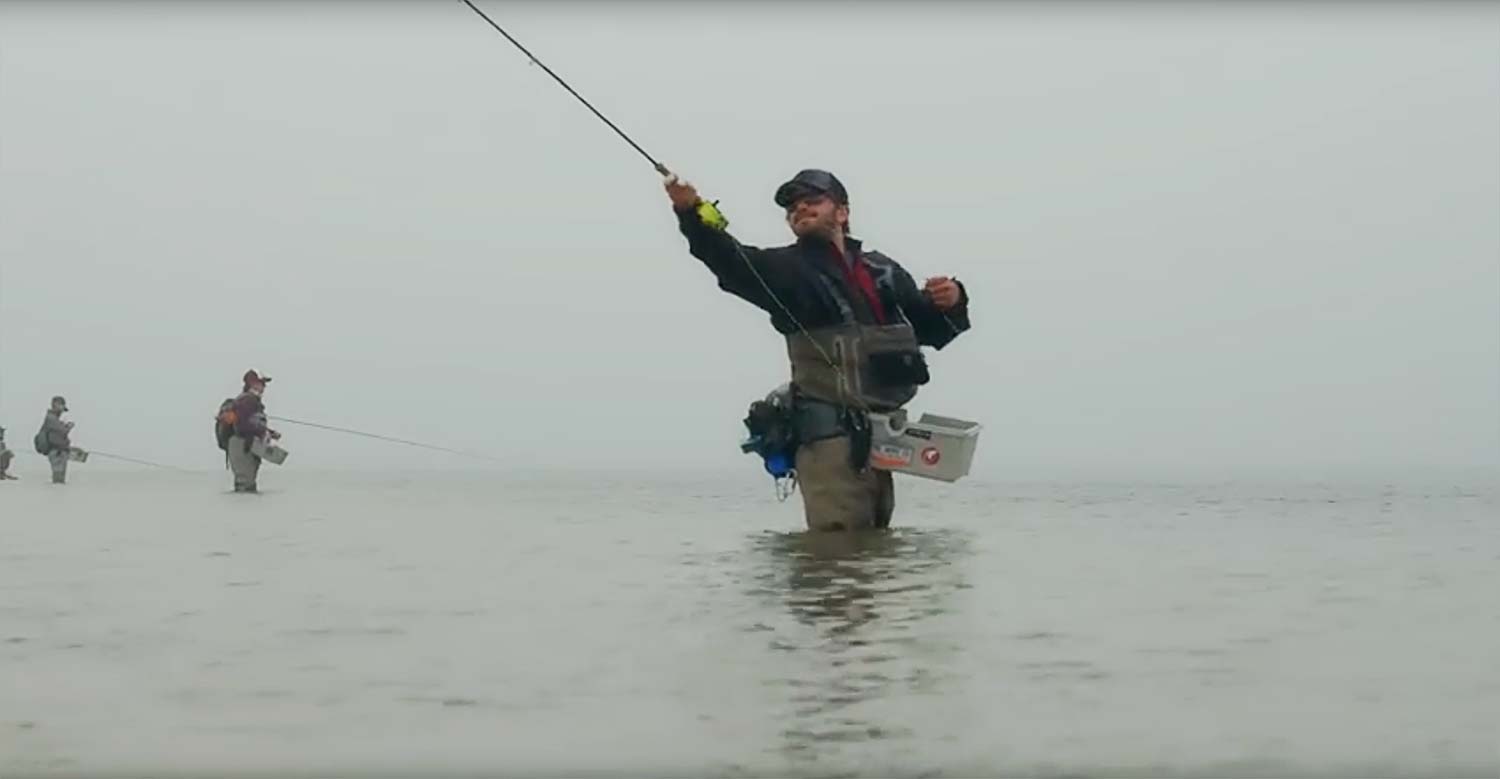
The fly-fishing business is pretty unique. In most businesses, folks have their work, and then they have their passion. For folks in the fly fishing business, pretty much without exclusion, their work is their passion. It’s great to see companies put their work aside and just go fishing. In this video a group of hard working Orvis employees do just that. “Summer doesn’t last forever.” Ain’t that the truth. Out Of Office Louis Cahill Gink & Gasoline www.ginkandgasoline.com hookups@ginkandgasoline.com Sign Up For Our Weekly Newsletter!
Read More »New Orvis Clearwater Fly Rods: Video
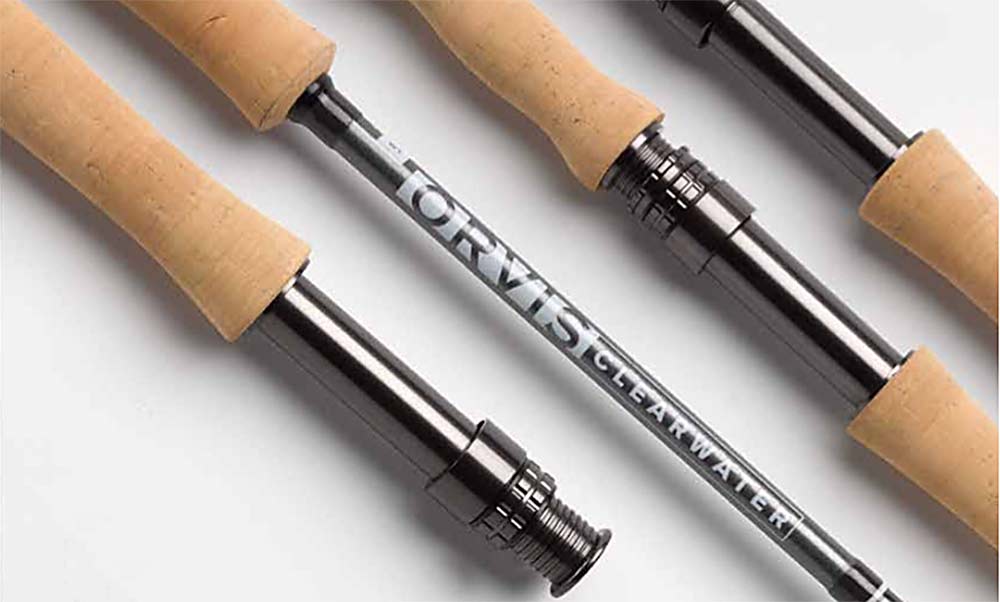
The new Orvis Clearwater fly rods offer an incredible fly fishing arsenal at a remarkable price.
Orvis has redesigned their Clearwater series rods for 2019. The old Clearwater rods were a pretty basic offering, with a uniform taper across the entire family. The new Clearwater rods have nothing in common with those older models, except the name and the great price. This new family of Orvis rods offers twenty-eight different models, ranging from a 7 1/2 foot 3 weight to a 15 foot 10 weight spey and even musky and euro-nymphing models. Each rod with a taper that’s fine tuned for specific performance. Best of all, these rods are affordable for anyone, ranging from $198 to $398.
WATCH THE VIDEO FOR ALL OF THE DETAILS ON THE NEW ORVIS CLEARWATER RODS.
Read More »Spey Casting With The Non-Dominant Hand on Top

By Jeff Hickman
SOMETIMES YOU LEARN SOMETHING VALUABLE COMPLEETLY BY ACCIDENT.
Last Summer I was on the phone with a good friend and regular client catching up. He was bummed to not be able to fish during his favorite Fall season due to a major shoulder surgery he had on his dominant right shoulder a few months previous. Extensive physical therapy was helping but he still had a lot of pain and his doctor suggested he hold off on fishing for several more months. Being the steelhead addict that he is, I knew that taking the season off would not be good for his mental health. So I told him to come out for a three day Deschutes camp trip and I would teach him to cast left handed which would give his right shoulder a much easier job.
He, like many guys that I fish with, had learned to Spey cast back in the days of the 14ft 9weight and Windcutter with unnecessary cheaters. This era of Spey fishing engrained many with a fast, erratic and borderline violent muscle memory. He had always struggled to sweep and cast slow enough for the modern short Scandinavian and Skagit heads to work properly. With his right hand on top, his fly needed frequent removal from the bushes behind him despite my nearly constant pleas for him to slow down.
So when he showed up for his trip he remained skeptical that he could learn to fish left handed or effectively fish without hurting his shoulder. But I made it very clear that he was to only fish left handed and he was not allowed to risk further injury by putting his right hand on top while casting. For backup, I claimed that his doctor had called me to make sure of this.
With no muscle memory with his left hand on top, I started my instruction from the ground up, walking him through the most important casting steps
Read More »Flat Water Nymphing
By Kent Klewein
Fishing nymphs in slow water is a different game.
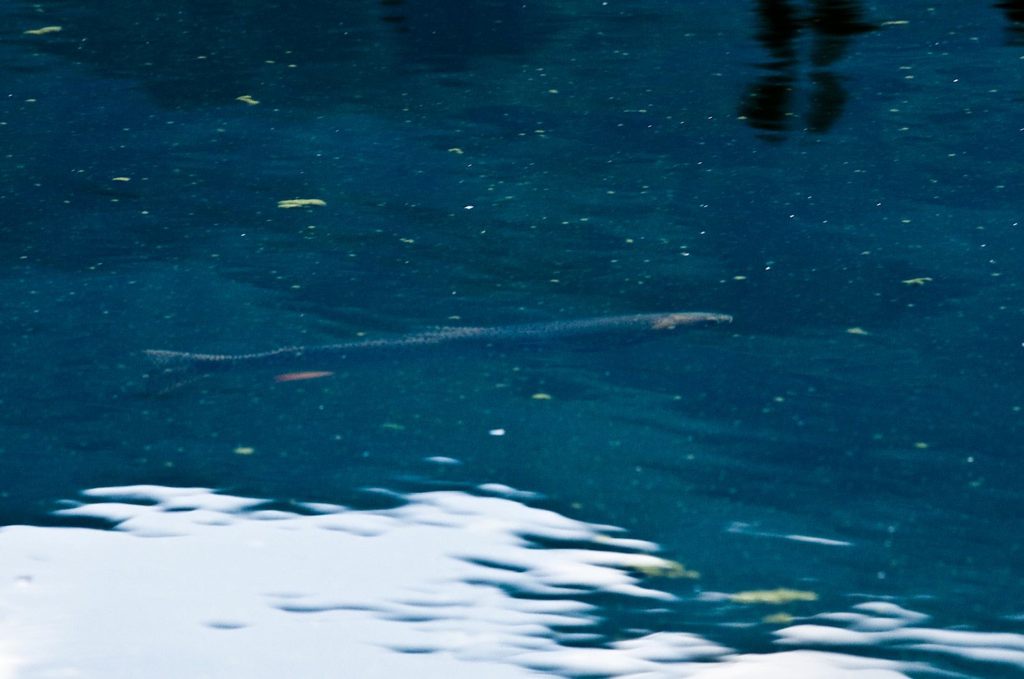
The past few years, Louis and I have grown very fond of one specific pool tucked up in mountains of the southern appalachia. We visit it regularly because of the bounties of trout that it sustains and nurtures year round. We nicknamed it the “lazy boy pool”, because it constantly has food entering the pool and its slow moving water and deep water cover requires little energy for fish to feed round the clock. It’s loved by lazy trout and they in turn grow big and fat. Despite the large numbers of trout the pool holds, angler won’t find it to be a cake walk for catching them. To have success in this pool you have to bring your A-game. The fish have grown wise to fly anglers and the glass calm and crystal clear water adds further to the overall challenge. Trout here, get to examine your flies for long periods and they regularly dish out more refusals than eats. It’s had Louis and I pulling our hair out on multiple occasions. If we need our ego’s checked, this is the perfect place for us to do that. It never fails to reminds us we are far from having it all figured out. The slightest mistake by an angler will send wakes across the water alerting all the trout in the pool, and when that happens, the fish get lock jaw.
When you’re lucky you can get the fish to rise to dries at lazy boy pool, but it’s always hit or miss unless a hatch is in progress. The most success we’ve had fishing it has come from drifting nymphs subsurface. It’s not your average-Joe nymphing water though. It requires a niche nymphing techinque that I like to call “flat water nymphing”. Because the water moves so slow through the pool, bites can be very subtle and extremely hard to detect. Often the only signal of a bite
Read More »Sunday Classic / 3 Things I Learned By Not Catching A Permit
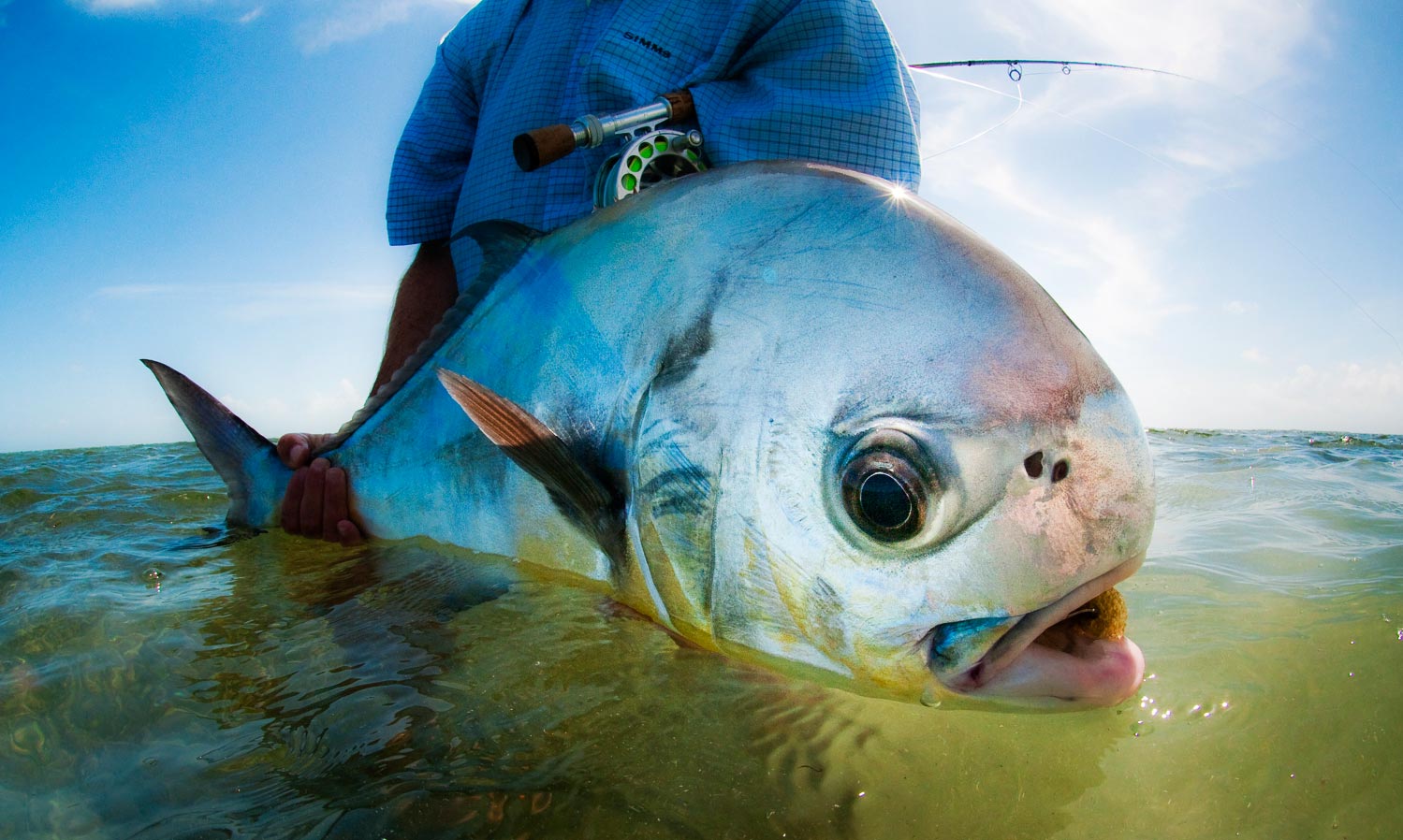
I AM NOT A MASTER PERMIT FISHERMAN. I THINK THAT’S EXACTLY THE THING I ENJOY ABOUT IT.
I like the challenge and if you’re looking for a challenge, permit have one for you. While I don’t consider myself an expert on the subject, I am learning and that puts me in a great position to share what I learn. Even if I am learning from my mistakes.
I had a great shot at a permit the other day and I totally screwed it up. Here’s what happened.
I was fishing with friends Joel Dickey and Rob Kramarz, both experienced flats guides. I was on the bow and we were fishing the early part of a falling tide. At twelve o’clock to the boat there was a cut in a small key and we anticipated that permit might be coming out with the tide.
As we poled slowly toward the mouth of the cut, I caught movement in my peripheral vision and turned to find a fish coming straight for the boat at two o’clock. It was an odd looking fish. Too light in color to be a permit and too dark to be a bonefish. As I struggled to identify it, the fish
Read More »Saturday Shoutout / Chandalar
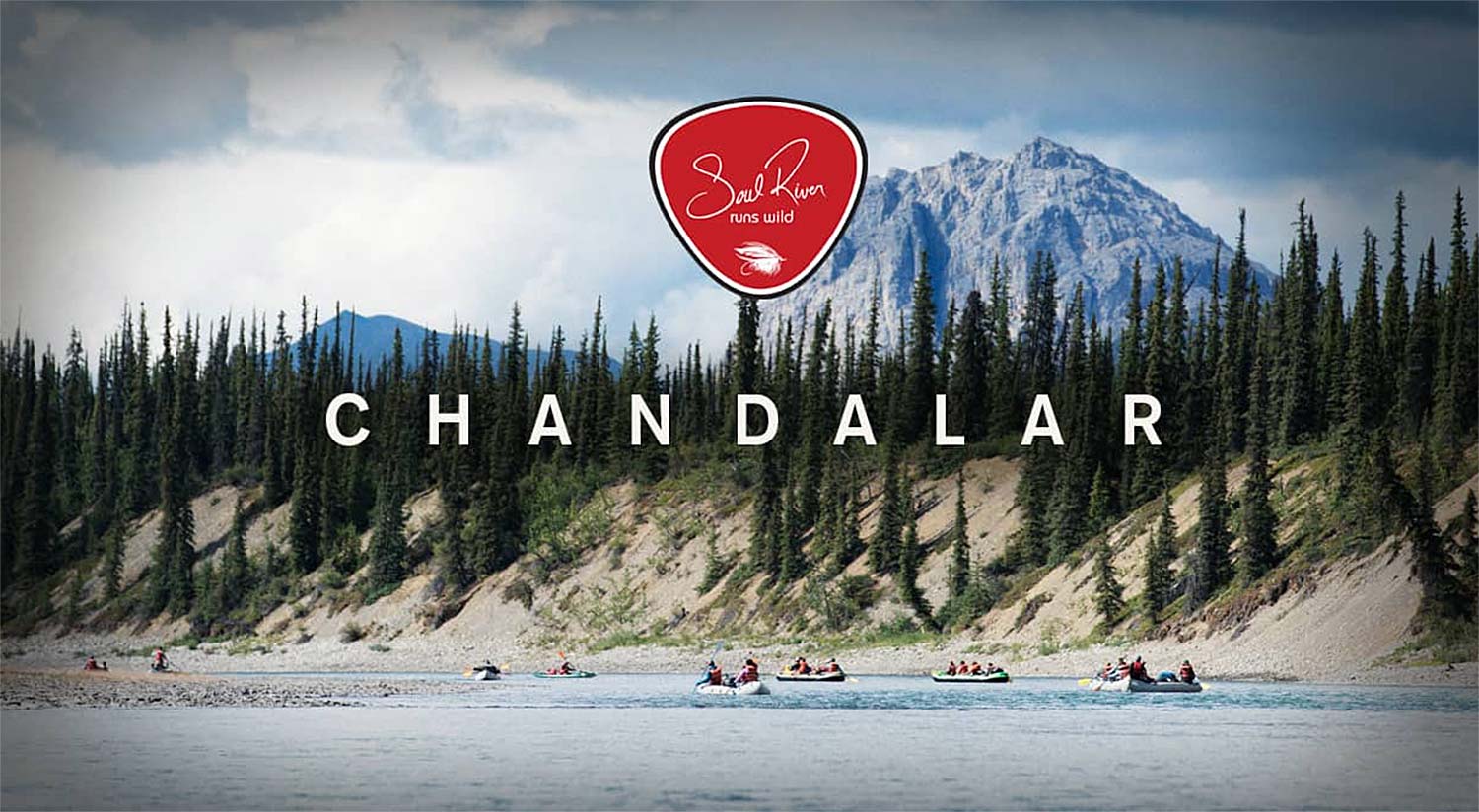
A beautiful example of the healing power of fly-fishing.
This remarkable film, from the folks at Simms and Soul River, follows fourteen young people and five U.S. veterans as they float the Chandalar river in Alaska. They learn to row, to fly fish, and to thrive with PTSD.
“This is a story of how U.S Veterans can change lives and find purpose by volunteering their time. The participants come from different worlds and while they know that their experience with trauma is what initially binds them together, it isn’t what defines them.”
Read More »