
RIO INTOUCH SCANDI 3D: Review
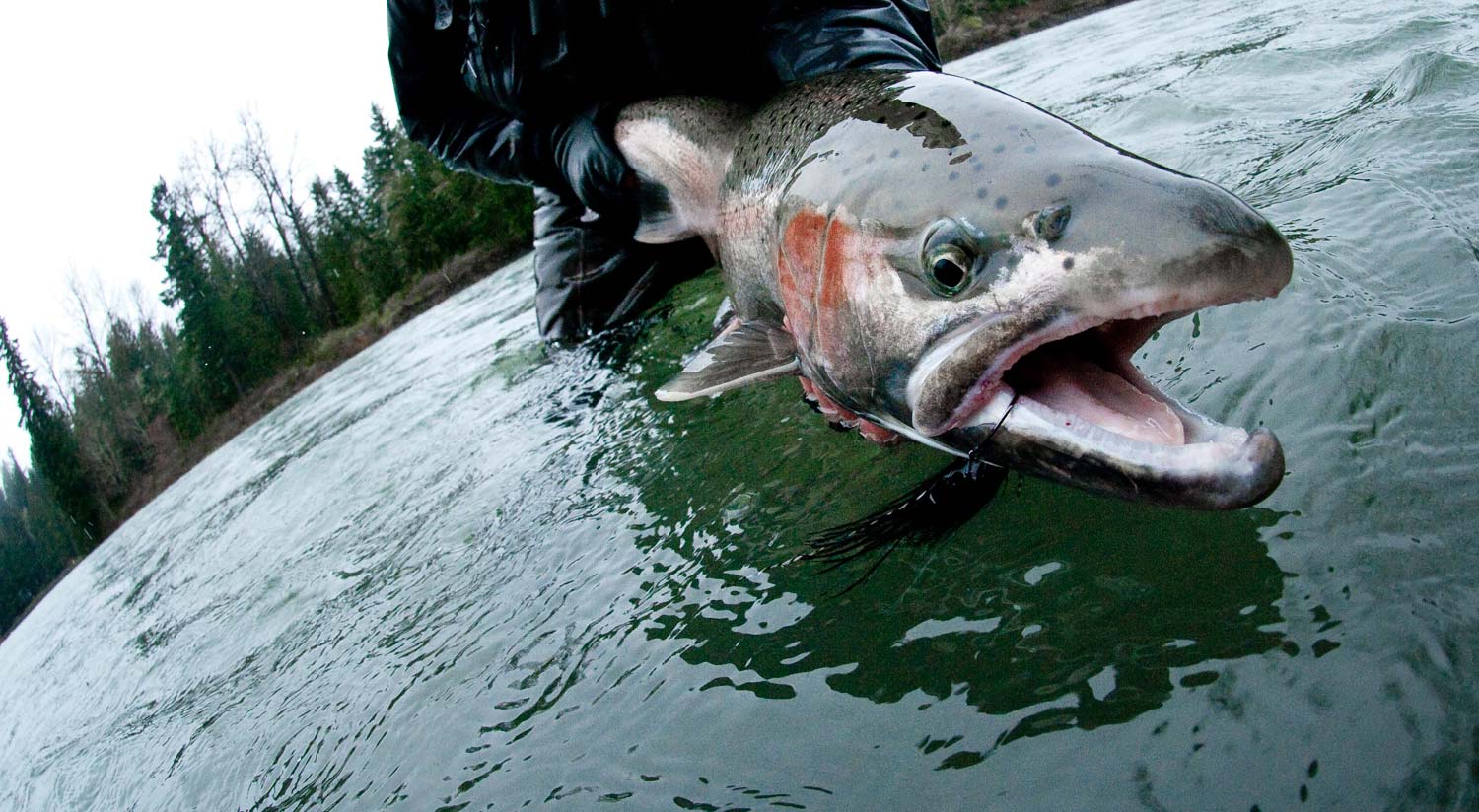
The RIO Intouch Scandi 3D is an awesome tool for catching steelhead and other species.
On a recent trip to the Deschutes River for steelhead, we faced some challenging conditions. The weather was unstable, making for some windy afternoons and some cranky fish. Sink tips and tube flies were not producing. The dry line bite was better with small traditional flies, but not when the sun was on the water, and casting light dry lines in the wind was a challenge. It was a puzzle, but things turned around when my buddy Barrett Ames produced a six-weight rod with a RIO Intouch Scandi 3D.
The setup was perfect and proved to be not only a pleasure to cast, but a real producer. The clever design of this head changed a handful of variables, which made fishing easier and more effective. I had heard about these heads, but I didn’t understand how powerful they are until I put one to work.
The Scandi 3D is a triple density shooting head. There are three options. The one I fished was the Hover / Intermediate / Sink 3 or H/I/S3. This means that the 34-foot head is broken down into three main integrated sections. About the first half of the head, the end attached to your running line, is a slow sinking intermediate called hover. It sinks at about 1 inch per second, or 1”ps. It also has sufficient diameter and stiffness to offer excellent line control during casting. The second section is an intermediate line with a sink rate of 2”ps, and the third is sink 3 material with a sink rate of 3”ps. One of the key qualities that makes the line awesome is that it transitions gradually from one density to the next, rather than making an abrupt change. This means there are no hinge points during casting or swinging.
The basic idea behind the Scandi 3D is that it casts like a scandi but fishes deep like a skagit. RIO has very effectively accomplished that goal, but there are some other big advantages to this head that may not be readily apparent. The Scandi 3D has been available, and wildly popular in Europe for some time but has just become available for US anglers. I expect it will catch on here very quickly.
5 Reasons The RIO Intouch Scandi 3D is Awesome.
Read More »Sunday Classic / Fighting The Wader Funk
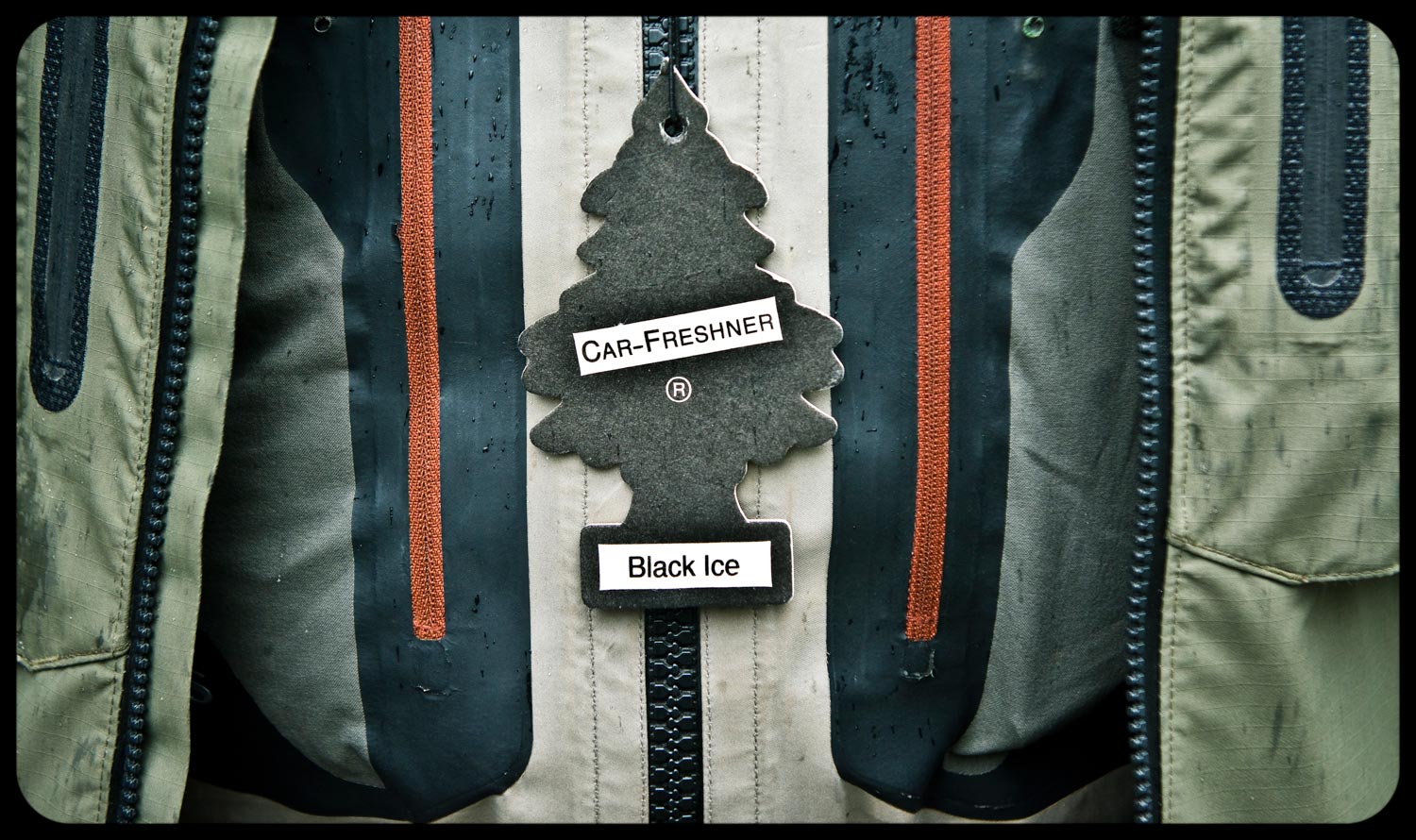
DO YOUR FRIENDS TWITCH THEIR NOSES LIKE RABBITS WHEN YOU SHOW UP TO FISH?
Do they have to rub camphor under their noses like Quincy just to run shuttle with you? Does your dog roll in cow shit before before he jumps in the truck to go fishing with you?
You might have wader funk.
It’s nothing to be ashamed of. Millions of anglers…well, lots of them anyway, suffer from wader funk. It’s not you making those G-4s reek. It’s bacteria growing in them and it doesn’t just smell. It’s silently killing your waders.
The primary cause of wader funk is storing your waders wet. It happens to me. I travel with waders, sometimes for months at a time, waded up in a plastic bag in my luggage. It’s sometimes tough to get them dry. Before you know it those tiny black spots start to form on the inside and it smells like a badger crawled in there to die.
Fortunately, there’s an answer. I discovered a
Read More »Saturday Shoutout / SCOF On The Moon
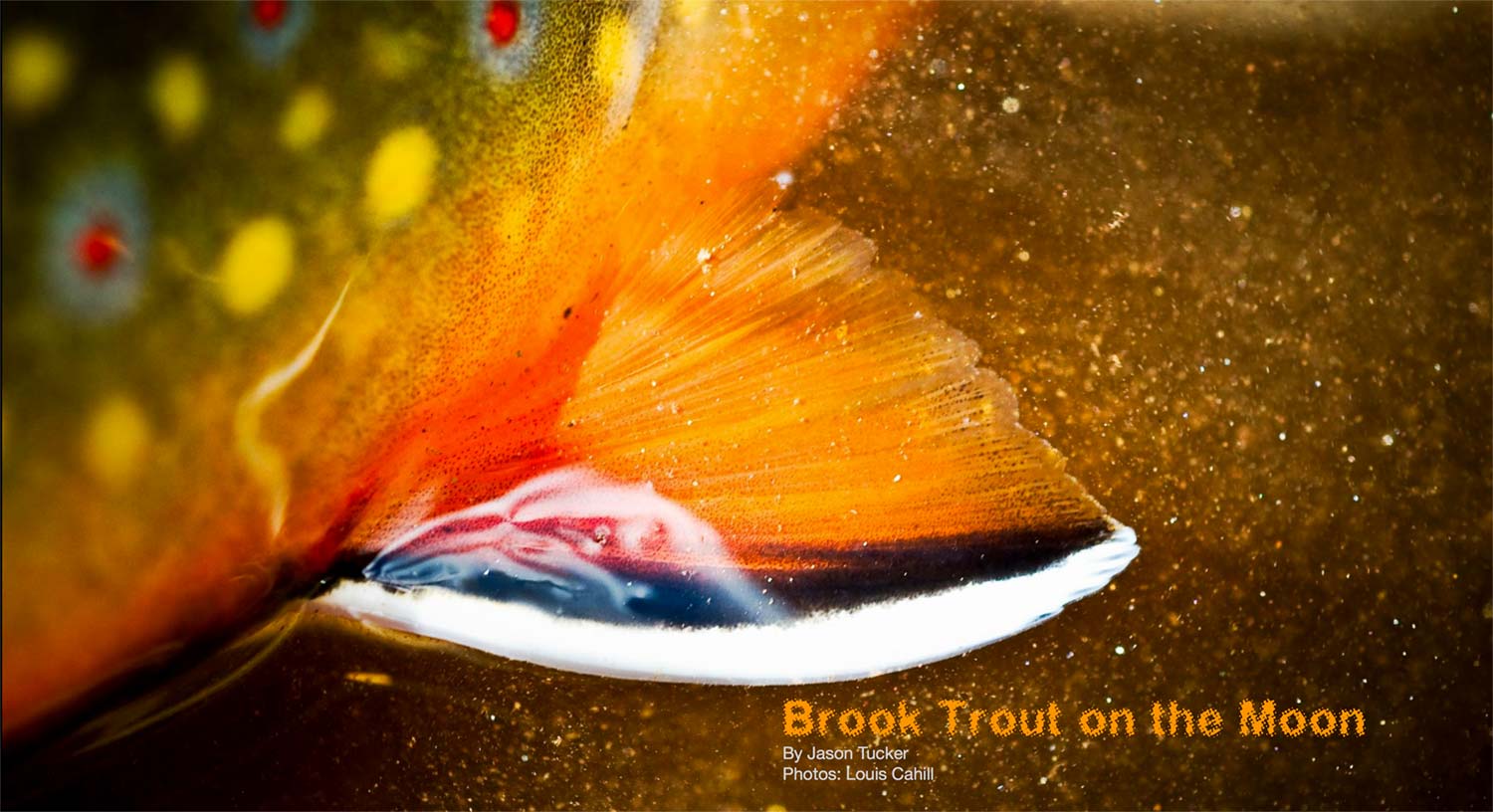
This issue of Southern Culture On The Fly goes Lunar.
I’m especially proud to have my photos share the page with a great story by my good friend Jason Tucker, titled “Brook Trout On The Moon.”
“They say there are brook trout on the moon. Neil Armstrong didn’t talk about it, but he fished for them.”
Part fact and part fantasy, this fish out of water story tells the truth behind the truth of Jason’s adaptation to his new environment. Forced here by a glacier, like the brook trout, Jason has made a home for himself among the curious natives and cryptic customs, finding some brook trout along the way.
AS ALWAYS, PLENTY MORE GOOD STUFF IN THIS ISSUE OF S.C.O.F.
Read More »New Fly Rods And Reels From Sage
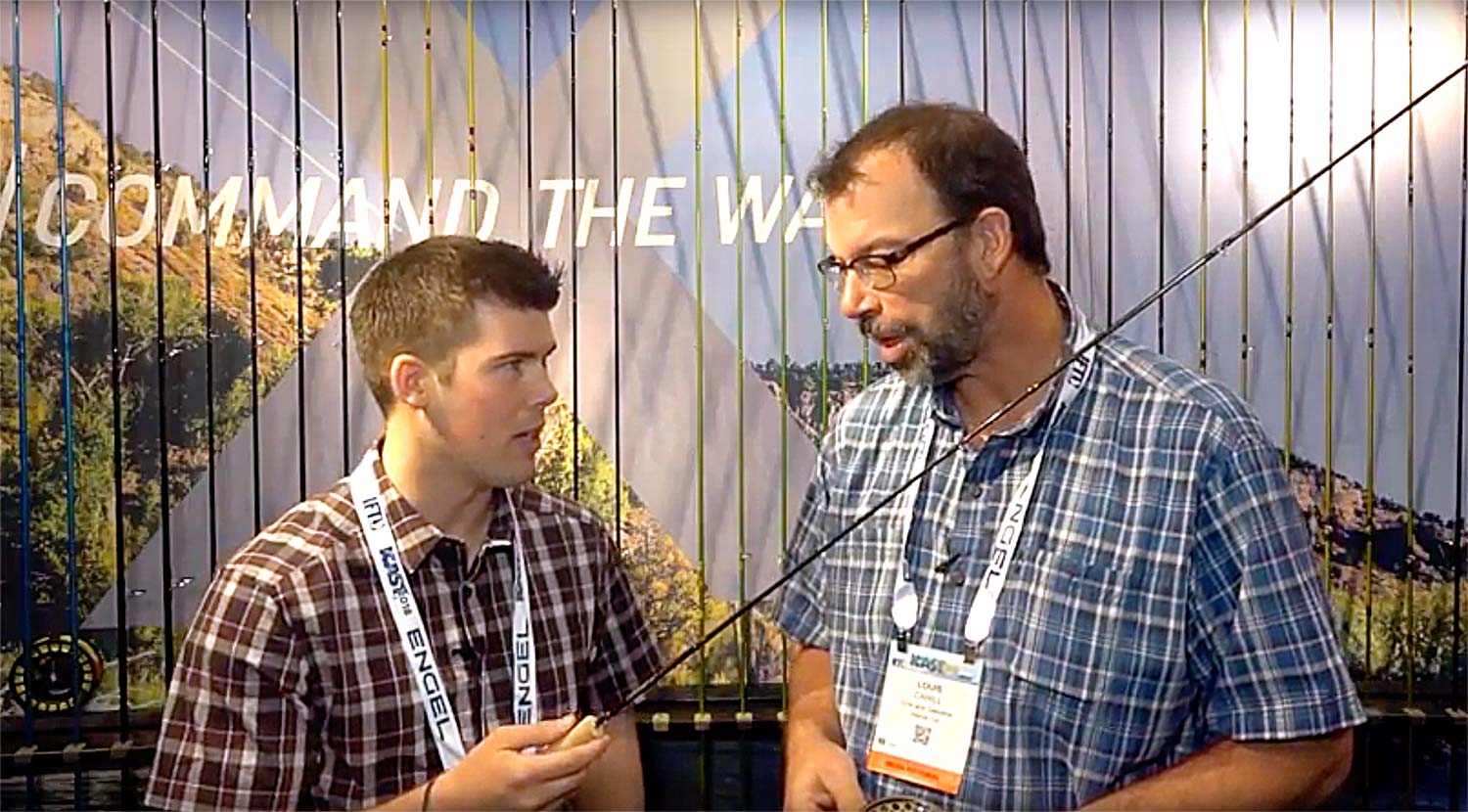
This year Sage has news that’s really big and really small.
A really big fly reel, that is, an a rod that’s really small. The new Sage Dart is a small stream rod with a difference. This rod, available down to a 7 1/2 foot 0 weight, is a fast action rod designed for making tight loops and and accurate short casts. It’s a technical fly rod for the small stream enthusiast.
The new Spey Reel is a closed frame reel designed for the two hander. There are two sizes to balance short and long rods. The classic look surrounds a modern drag, that has a beautiful click for when you hook a hot fish and want everybody to know.
CHECK OUT THE VIDEO FOR THE SCOOP ON THE NEW SAGE DART FLY ROD AND SPEY REEL.
Read More »Don’t Get Bold Feet!
By Justin Pickett
A few weeks ago I was sitting on the back of my jeep, getting ready to hit the water.
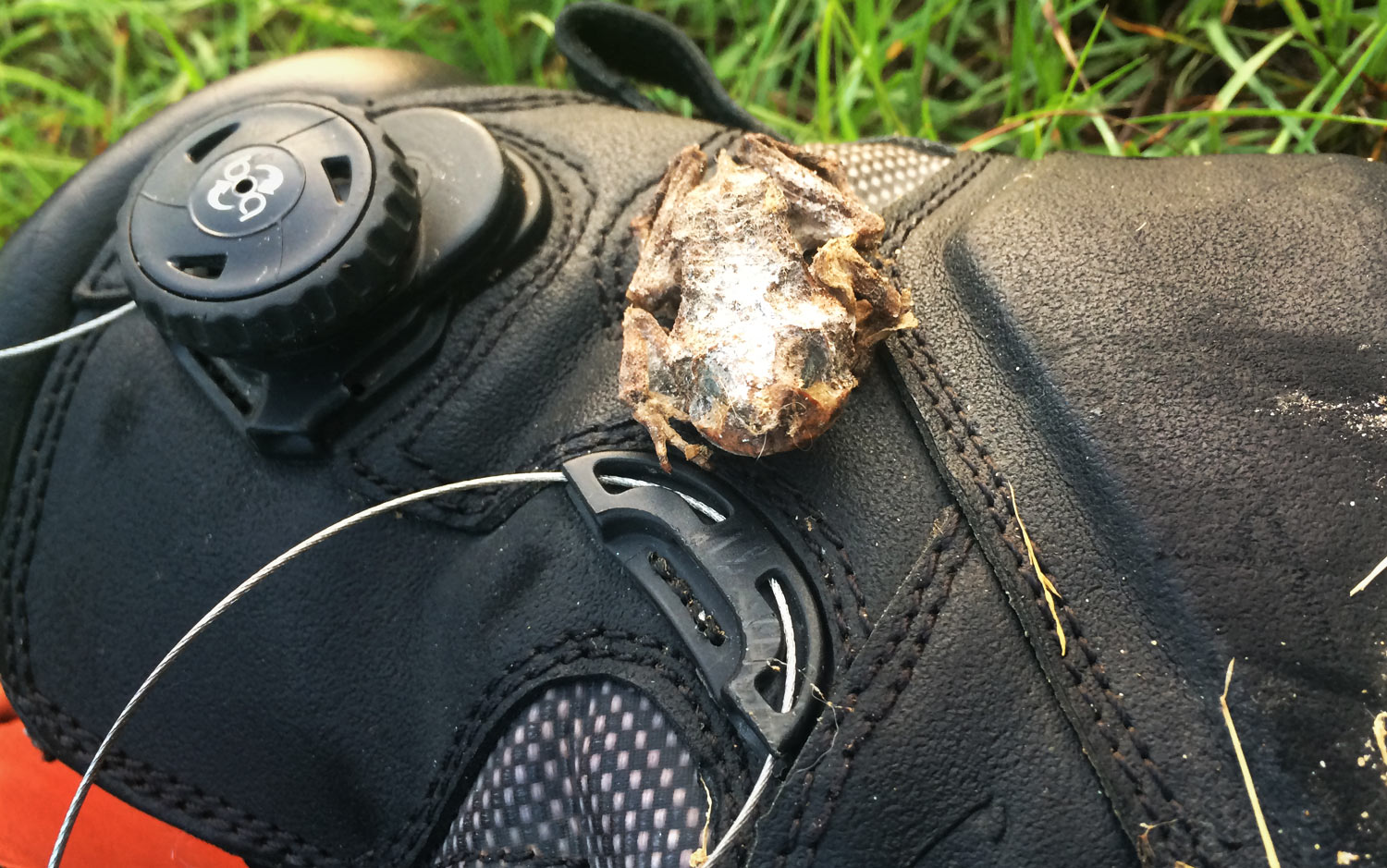
Just like any other day, I grabbed my rods and rigged them up first and laid them across the roof. I tossed my fly boxes in my chest pack and made sure I had all the tools and tippet that I needed. I jumped into my waders and buckled myself in for the day. Grabbed my left wading boot and slipped it on and tightened it up. Reached down for the right one and began to slide my foot into the boot. Before I could get my foot settled into the boot I felt quite the bulge in the toe of my boot. Not knowing exactly what it was, and knowing what it could be, I quickly kicked the boot from my foot. My wading boot landed on the grass, just a few feet in front of me. I waited a few seconds to see if anything crawled, hopped, or slithered out from it.
Nothing.
Cautiously, I picked up the boot and held it upside down, and, immediately, something fell from the boot
Read More »Trout Of Japan
by Daniel Galhardo
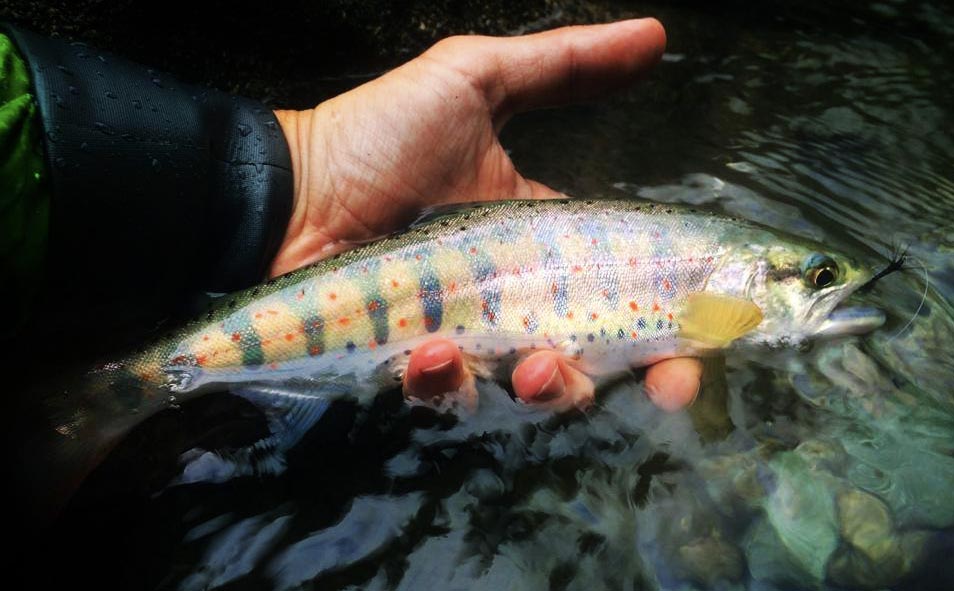
“THE SEA-RUN FORM ASCENDS RIVERS OF JAPAN IN MAY WHEN CHERRY TREES ARE IN BLOOM AND THEREFORE IS KNOWN AS THE SAKURA MASU, OR CHERRY SALMON”.
As part of my mission of spreading the tenkara story to anglers outside of Japan, I have made a point to visit Japan every year. I’m currently on my 6th “pilgrimage” to the country, meeting with teachers who share with me their techniques, their insights into tenkara, and of course their favorite fishing spots where we search for trout.
There are two main types of trout that we target in Japan: the amago and yamame. There is also a char, the iwana (side note, most tenkara rods we offer at Tenkara USA are named after Japanese trout/char).
The amago and yamame are virtually identical, except that the amago features red spots thorough its body while the yamame does not. The yamame and amago are also referred outside of Japan as “cherry salmon”. In his book, Trout of the World, James Prosek explains “Among Japan’s many varieties of native salmonids is a beautiful pink and violet salmon that exists in both anadromous and landlocked forms. The sea-run form ascends rivers of Japan in May when cherry treers are in bloom and therefore is known as the sakura mass, or cherry salmon”.
Read More »Airflo Miracle Braid Running Line: Review
By Louis Cahill
Airflo Miracle Braid is an exceptional choice for your shooting head setups.
I recently had the chance to try out the Airflo Miracle Braid running line. I have to admit that I never really understood why you would want a braided running line, but once I used it no explanation was necessary. I love it and I will be using a lot more Miracle Braid in the future.
There is one drawback to braided running line and I’m going to address it right up front because of the timing of this review. Braided running line is, by design, intended for warm weather. In temperatures below freezing it will freeze and become a nightmare, so don’t run out and stock up for your winter steelheading. It will not be a pleasant experience. When used under proper conditions, it’s awesome.
Choosing the right running line is always a compromise. I like mono running line for it’s low friction and shooting ability but there are some drawbacks. It’s slippery and no matter how much you use it, you will sometimes still lose your grip and blow a cast. It also has a fair amount of stretch and that’s not always great for hooking and fighting fish.
Coated running lines are easier to hold onto and they float well but they don’t shoot line nearly as freely as mono, and they can stick to the water and be hard to manage sometimes during long swings in uneven currents. I use coated lines for some of my scandi heads, especially on lighter rods.
The Airflo Miracle Braid offers the best of both worlds. As a choice for summer scandi style fishing, I don’t think you can beat it.
Here are a few reasons I love the Airflo Miracle Braid.
Hand
Miracle Braid gives you the best grip of any running line I have used. Even better than coated lines. The braid creates a natural texture that fingers can really hold onto, even when wet. It almost has the feel of oilcloth or an old silk line that’s freshly dressed. It’s warm and inviting to the touch. I never lost my hand casting with it.
Shootability
Miracle Braid shoots as well as mono, in part thanks to it’s ability to pick up water. This is what makes it unusable in freezing weather, but the water lubricates the line as it goes through the guides, and go through the guides it does.
Zero Memory
Read More »New South Andros Bonefish Schools
We have a few bonefish school dates and a last minute chance at a real bargain!
The G&G Bonefish School continues to grow in popularity. With anglers returning year after year, and new anglers eager to shorten their learning curve and become proficient in saltwater flyfishing, the schools have been selling out quickly.
At the time of this writing, we have a cancelation, leaving one spot in the Jan 5-12 school. We also have 4 spots open for June 8-15.
The cost for this 6 day / 7 night trip is $3975. That’s an amazing discount over the normal rate of $5950. These are the last dates we will have at those rates, so don’t hesitate if you are interested. All rates are subject to 12% Bahamian VAT Tax.
I don’t know of a better bargain or a better way to up your saltwater fly game. I hope you will be able to join me and experience South Andros for yourself. This place is famous for a reason.
Email me at hookups@ginkandgasoline.com for more info or to reserve your spot.
HERE’S MORE INFO ON THE G&G BONEFISH SCHOOL AT BAIR’S LODGE, SOUTH ANDROS.
Read More »Sunday Classic / Limit False Casting to Improve Your Casting Stroke
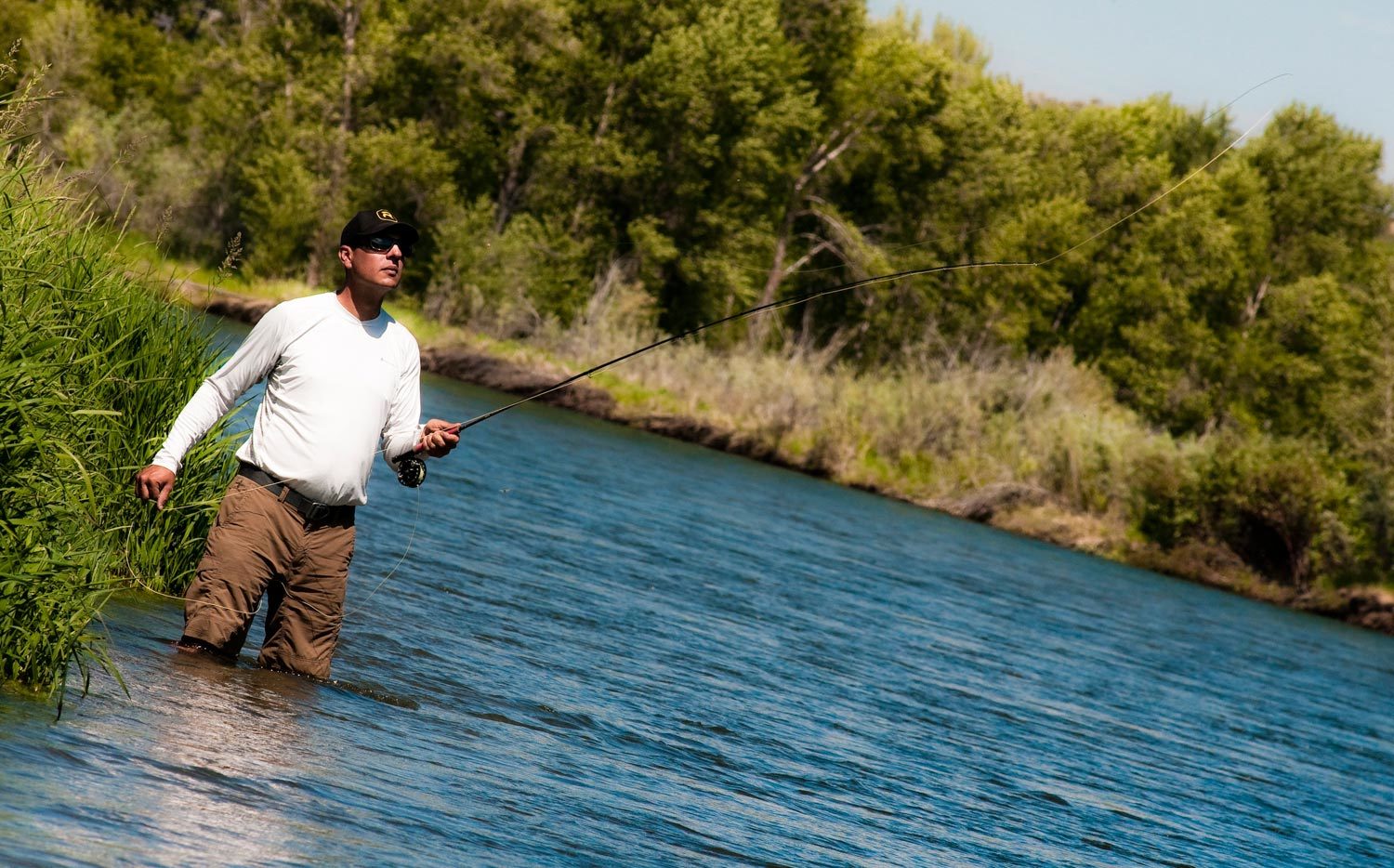
When we first start out fly fishing and we’re still learning the mechanics of the casting stroke, it’s very common for many of us to make excessive false casts in between our presentations. For some of us, excessive false casting is an excuse to impart quality control during our fly casting, for others, we justify it for the simple fact that we just love casting a fly rod. Whatever the reasons may be for excessive false casting, it needs to be kept in check, if anglers wants to fly fish at their best. If you’re currently in the beginner or intermediate skill level range, one of the best ways to take your fly fishing to the next level, is to make yourself minimize your false casting on the water.
Read More »Saturday Shoutout / Little Girls, Big Trout
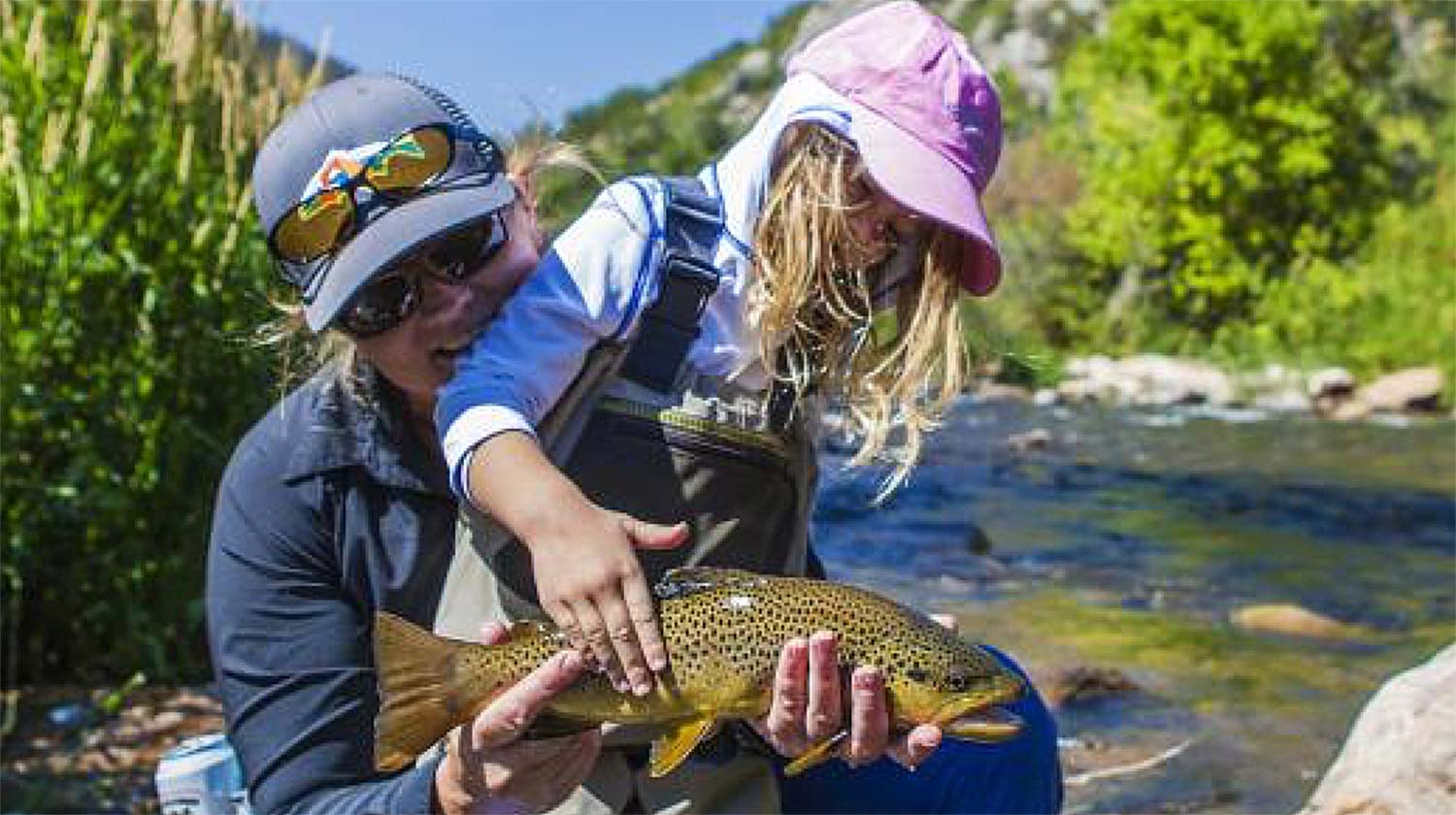
Lyla Blue Guymon is a normal seven year-old…with a magazine cover.
Matt and Summer Guymon have had their daughter Lyla on the water, literarily since before she was born. Every parent loves to see their kid catch fish, but not all get to see them catch trophy brown trout. Fewer more see the moment preserved on a magazine cover.
Matt’s story about the cover photo of Trout magazine is as heartwarming as it is unusual. Take a minute an share the excitement with Lyla and her dad.
A LITTLE GIRL’S BIG IMPACT IN TROUT MAGAZINE
Read More »