
Split-Shot Placement For Your Tandem Nymph Rigs
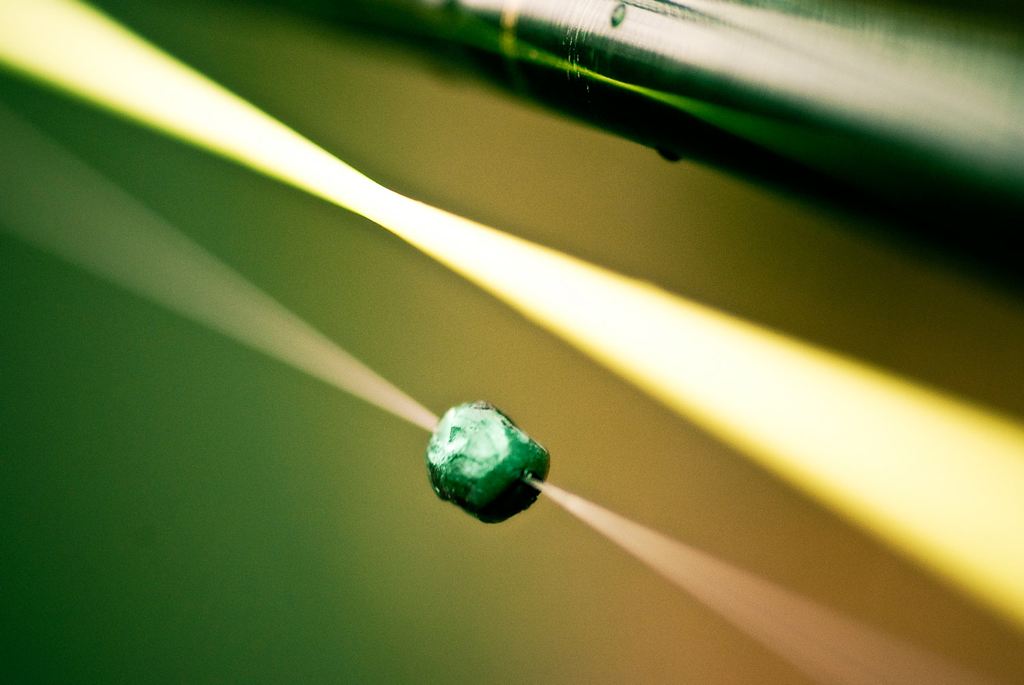
HAVE YOU EVER HEARD THE SAYING, “THE DIFFERENCE BETWEEN A GOOD NYMPH FISHERMAN AND A POOR NYMPH FISHERMAN IS KNOWING WHEN TO ADD ONE MORE SPLIT-SHOT TO YOUR RIG”?
If your nymphs aren’t getting down in the strike zone, you’re going to be missing a lot of bites. I know this sounds super obvious, but I see anglers all the time nymphing water with far too little weight on there nymph rig. Its often the only reason they’re not getting bites, so don’t be afraid to pile the weight on if you think your nymphs aren’t running deep enough.
So now that you understand you always need to have enough split-shot on your rig to get your flies down in the strike zone, now let’s talk about split-shot placement? I get asked the question all the time whether anglers should place there split-shot above there tandem nymphs or between them. Both can be the right choice depending on the type of water your fishing and the specific tandem nymph rig (fly patterns) your fishing. Below are a few examples when I place my split-shot in different locations in my tandem nymph rig.
Situations Where I Place Split-Shot Between my Tandem Nymphs
1. Big weighted lead fly with unweighted dropper 20-24″ apart.
When you’re fishing a trough for example with fast moving water and you see your dropper nymph riding up high above your lead fly during your drift, place split-shot in between the nymphs to ensure both of your fly patterns will be getting down in the strike zone. This especially holds true when your dropper nymph is beadless, lightly weighted with lead wraps, or 100% unweighted.
2. Both Nymphs are beadless or Lightly-weighted 18-24″ apart
Believe it or not, I have days where beadless nymphs are the ticket to getting consistent hookups,
New Simms G4 Waders: Video
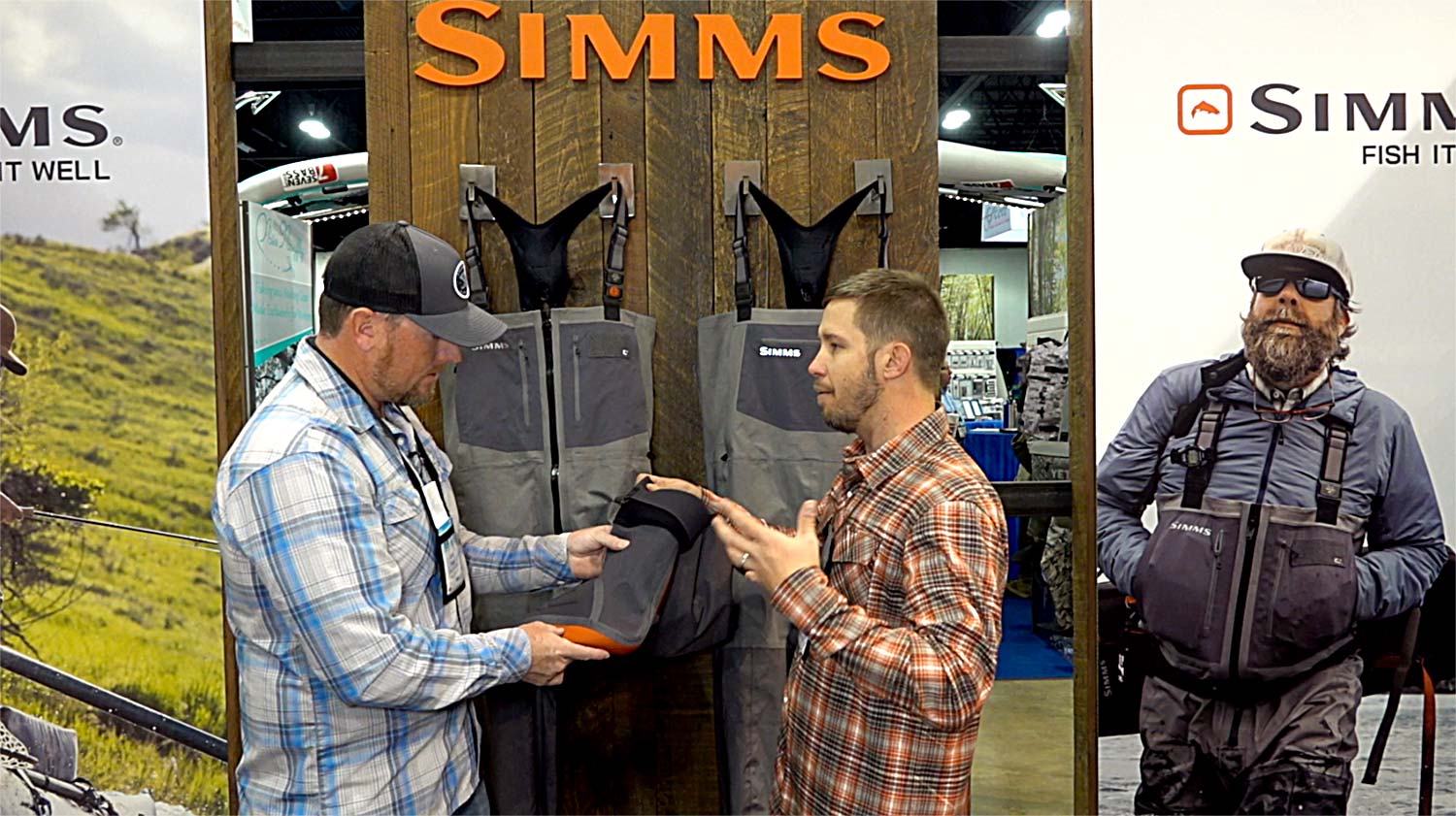
The new 2019 G4 waders from Simms feature new materials and features.
Sporting a new Gore-Tex material the 2019 G4 Wader is lighter, stronger and more comfortable. The new bootie design keeps your feet warmer while you’re busy looking cool. It’s hard to believe that Simms made my favorite wader better!
CHECK OUT THIS VIDEO TO LEARN ABOUT THE NEW SIMMS G4 WADER!
Read More »Aotearoa Angling Etiquette (Or, how not to be a dick in New Zealand)

By Chris Dore
Angling ethics and on-stream behaviour are a big deal here in NZ due to the unique qualities of our fishery.
Gin clear water hosting sometimes less than several fish per mile mean that if you walk past, there’s a good chance they will see you and spook to cover for the remainder of the day. This doesn’t bode well for anyone following you upstream… The following are long-held local practices and etiquette that have developed over time through preserving the NZ experience, dealing with increasing angling numbers, and plain, simple human decency.
1: Do NOT enter a river ahead of others on the river before you. With limited numbers of fish per mile in gin clear water the first angling party through for the day has the best, and often only, chance of the day to catch those fish, especially in the backcountry. If you’re the late-comer, suck it up and either go elsewhere, or take your chances and fish up behind, but under no circumstances drive up a K or two, or walk around and ‘jump in’ trying to get ahead. The first party there doesn’t own the river, but has every right to expect enough uninterrupted water for a full day’s fishing, the distance dictated by the nature of the fishery (ie, on high populated rivers such as the Mataura, this may only need to be 1km, however in the backcountry, where there is often a lot of empty water between fish, this may be several kilometres). Which leads into point 2…
2: Communicate. If you see an angler on the river, go over and chat. Find out his plans for the day and do not encroach. If they have ‘magically’ appeared on the river ahead of you ascertain whether you were here first, and if so remind them of the above etiquette (they may simply have been innocently unaware, or genuinely didn’t see you or your vehicle). Also remember to leave a visible note in your windscreen stating whether you are fishing upstream, or downstream of your vehicle. There’s nothing worse than arriving at a long stretch of water capable of entertaining multiple anglers, finding a vehicle parked up and not knowing which way the angler has gone. Many longer access points can accommodate an angling party upstream and another downstream (mindful of others who may be fishing through from the next access below) and so a simple note makes things easy for all.
3: Enter the river at established access points: Fish and Game NZ have done a great job at signposting access on the majority of our rivers, often negotiating public access across private land for your benefit. These accesses are usually pretty well thought out to allow for an ample day’s fishing between access points for the river concerned. If I enter a river at a signposted access, I know how much uninterrupted water I have until the next access and so plan my day accordingly. If you jump in midway between access points then you’ve just ruined my day, spooked my fish and created an awkward situation that I personally won’t hesitate to pull you up on. Think of others and stick to the signs…
4: Camping on, or leaving a vehicle overnight at an access point to ‘claim’ it for the following day is frowned upon and in many cases, illegal
Read More »Orvis H3 Artist Series: Video
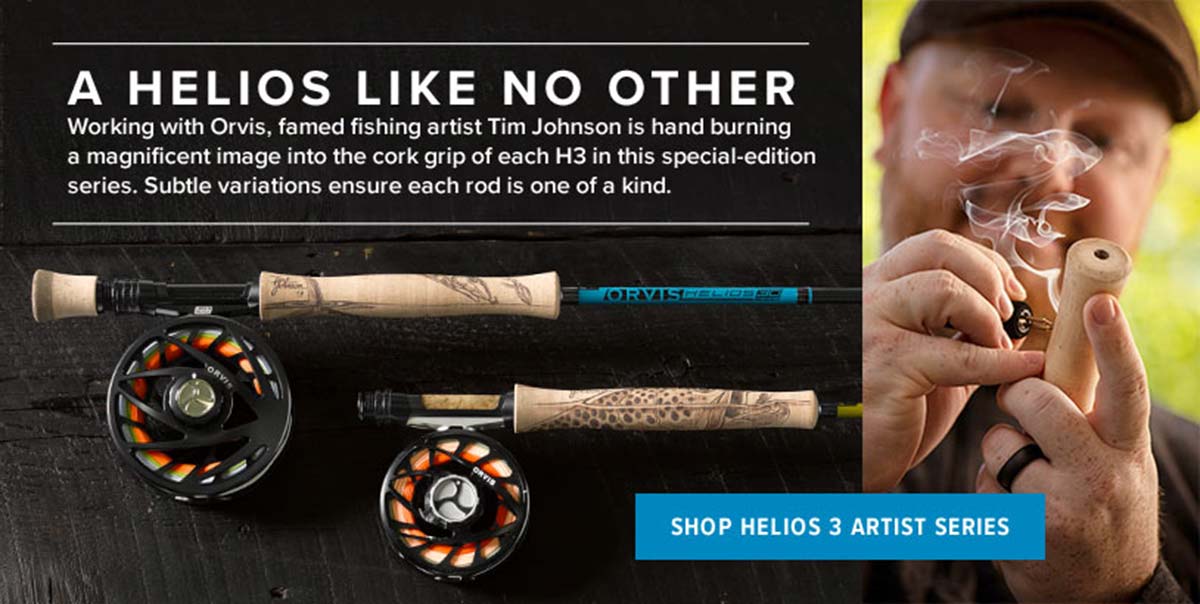
These limited edition Helios 3 fly rods are literally works of art. This is one of the coolest things I’ve seen from a fly rod manufacturer. Each of these limited edition H3 fly rods sports a grip that artist and Orvis endorsed guide Tim Johnson has turned into a one of a kind work of art. Each H3 905F has a brown trout burned into the grip while back H3 908D bares a hand burned bonefish. Since they are all hand illustrated, each is unique and stunning. Orvis is releasing 300 5 weights and only 200 8 weights. They are available immediately and will surely go fast. Watch the video and see Tim Johnson hand burning an H3 for you! Louis Cahill Gink & Gasoline www.ginkandgasoline.com hookups@ginkandgasoline.com Sign Up For Our Weekly Newsletter!
Read More »Johnny’s Shark

A perfect cast right on the big shark’s nose gets nothing but a sniff and a refusal.
In a low and stoic voice the guide says, “the fish ain’t gonna eat if he don’t smell blood”. Johnny Spilane gives him a hard look, takes his fly from the water and jams the hook into his hand, then squeezes the blood onto his fly. The shark follows the fly almost to the boat, then charges and cuts left. We all thought it ate the fly. Maybe it did, and didn’t stick. Our guide was glad because he didn’t want to spend all day landing it. There were plenty of bonefish to catch but some people just aren’t happy doing what everyone else wants to do. That’s Johnny, and that’s why he brought three silver medals back from the Vancouver Olympics. It’s also why he’s a great fisherman.
WATCH THE VIDEO!
Read More »Eye Surgery Update: So Far So Good
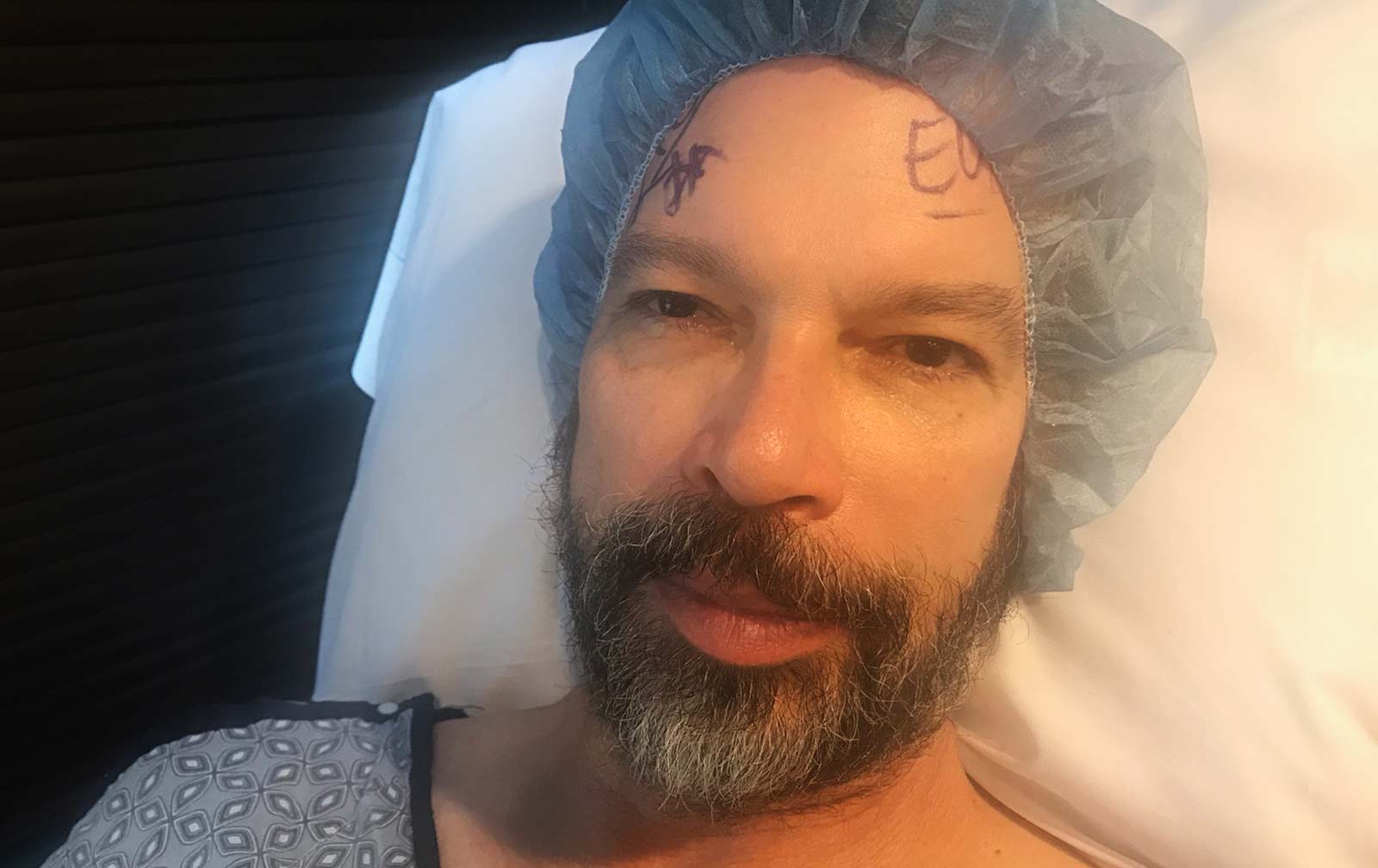
It’s way too early to call my last surgery a win, but for now, all the news is good.
It’s been five weeks since my last surgery and as of my last checkup we are all encouraged. I don’t want to oversell. I could get bad news any time but it will be the end of the year, at the earliest, before we can call it a success. To help readers understand, I’m going to get into some details about my condition. Please pardon me but I do have friends looking for updates.
I will talk a little about what’s coming up at G&G, so feel free to scroll down to that.
After my first retinal detachment surgery I developed a condition called PVR, short for proliferative vitreoretinopathy. In cases of PVR, excessive scar tissue forms between the retina and the eye. As that scar tissue matures, it pulls the retina like a scab might pull the skin nearby, until it detaches the retina again. In my case, the retina tore in four places and completely detached.
This second detachment was far worse than the first. The combination of permanent scar tissue, holes in the retina, and a detached macula mean that, even if the surgery is successful, the vision in that eye will never be good. Legally blind is about the best I can hope for. That sounds worse than it is. I have one good eye and enough vision in the other to have some depth perception, and that’s huge.
The problem with PVR is that it’s persistent. Most PVR patients have from three to eight surgeries before things are resolved and with each additional surgery the quality of the outcome gets poorer. The best case is poor vision, the worst is removal of the eye. I understand that second option is extremely painful and I think I’m a long way from that.
SO HERE’S WHAT RECOVERY LOOKS LIKE.
There are two stages to the recovery. The first six weeks we are just looking for the reattachment to hold. That looks really good right now. The second stage is a ninety day timeline where we are waiting to see if the PVR comes back and detaches the retina again. Because the scar tissue from the first round of PVR is permanent, that part of the retina is more prone to detaching again. If it looks like that is going to happen, the option is to go back in and cut away the affected part of the retina. Of course, that leaves black spots in my vision. That’s not great, and let’s hope it doesn’t happen, but the priority is keeping the macula attached. If the macula does not stay attached, the brain sees the eye as dead and will start trying to get rid of it. The only tool it has to do that is pain.
As of now there is some new PVR in my retina, but it’s not bad. My doctor
Read More »Fly Fishing Lights at Night
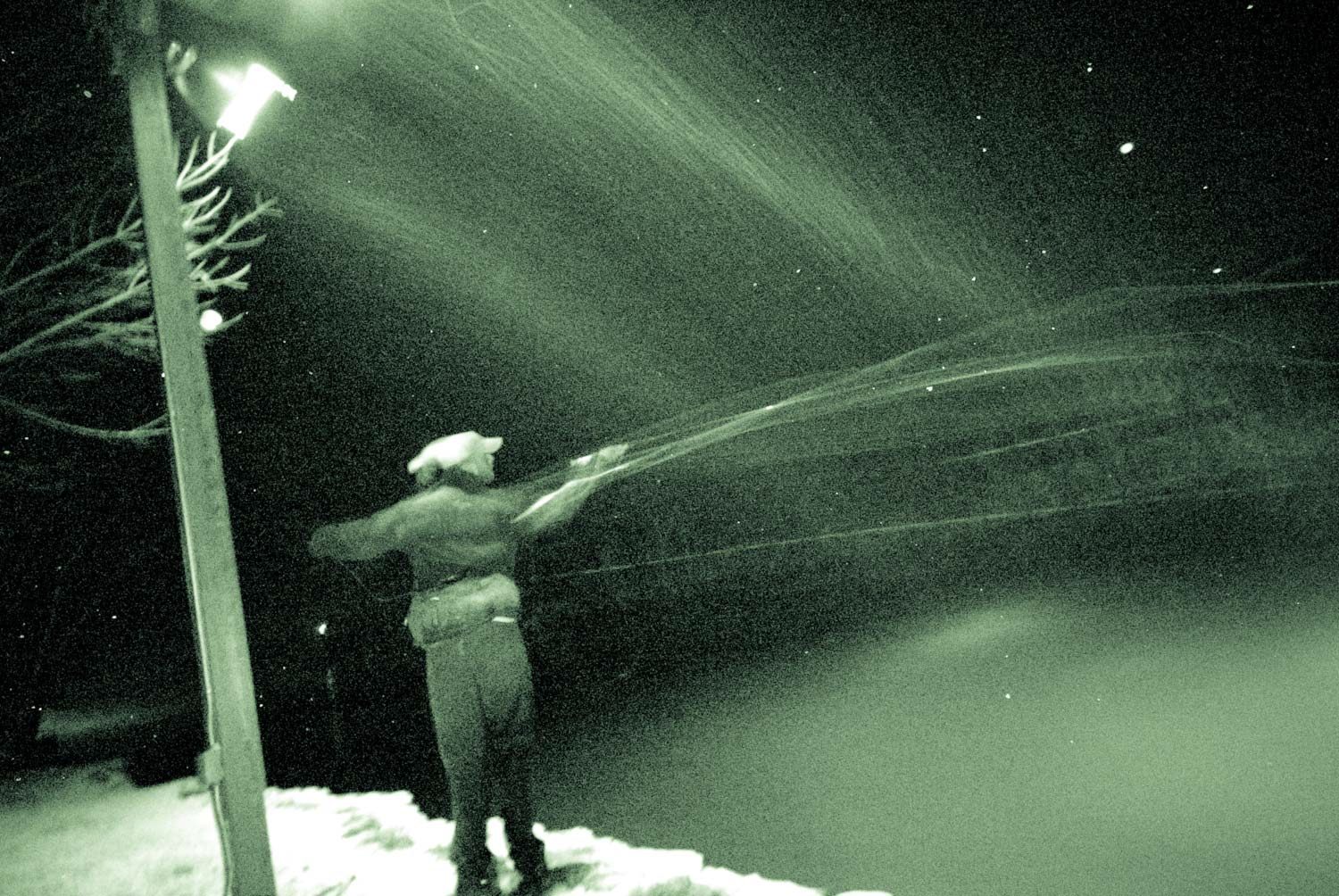
It’s long been known by fishermen, that bright lights shining on the water at night create fishing hotspots.
The lights attract plankton, which in turn, attracts the baitfish and other food sources that feed on them. Once you’ve got a good concentration of forage food hanging around the lights, it doesn’t take long before the larger predatory gamefish move in and begin making a feeding frenzy of the situation at hand. Using the lights as a perfect tool to coax and gather the food into a small area and the cover of darkness as camouflage, predatory gamefish will take turns darting into the light with mouths open to pack their bellies full. This feeding scenario reminds me very much of the relationship I have with my refrigerator. When I wake up in the middle of the night with my stomach growling, I know exactly where I need to head to get my quick food fix. The relationship gamefish have with lights on the water at night is no different. When available, gamefish will regularly utilize lights to locate and ambush food under the cover of darkness. Fly fisherman should always take the time to locate and fish lights on their home waters, because they will almost always provide consistent action.
If you randomly asked one of your fellow fly fisherman about targeting lights at night, they’d probably respond with success stories about either fishing lighted piers in saltwater or boat docks on freshwater lake impoundments. These are by far, the two most popular places fisherman prefer to utilize lights shining on the water at night, but it’s not the only places we should look. Fishing lights for trout don’t come up in conversation nearly as often, but where they are available, their equally productive. Notice the
Read More »Nymph Fishing, There’s Nothing Wrong With It
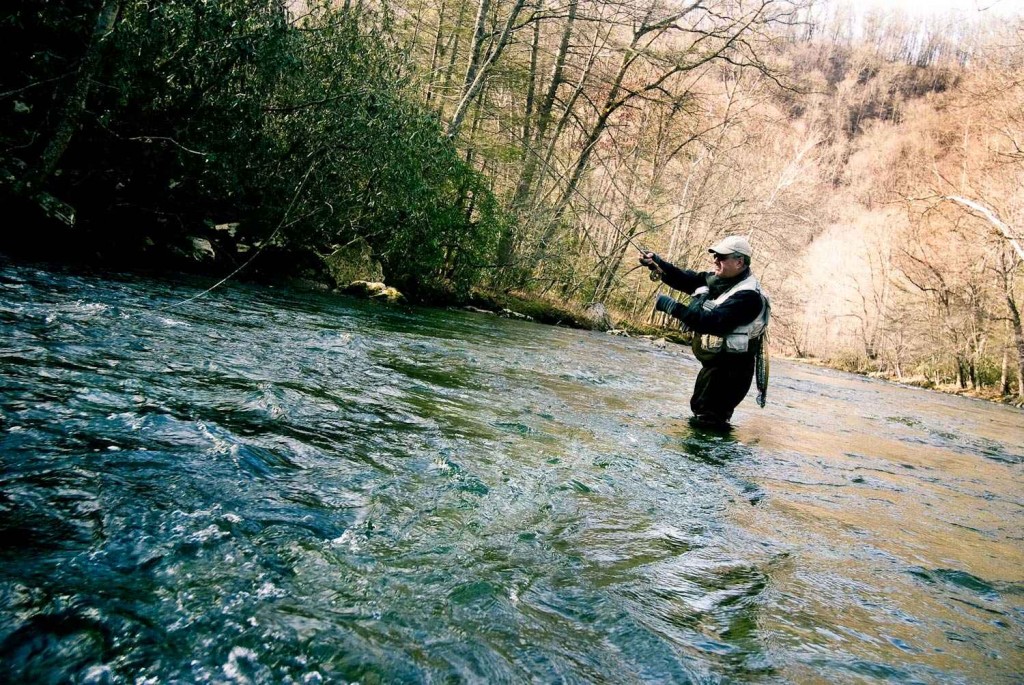
It seems like every where I look, I see blog posts all over the place chastising and bad mouthing nymph fishing.
I hear comments claiming nymph fishing is nothing more than mindless fly fishing. That watching indicators floating down the river all day is boring. So let me ask you this, does it make since to instead fish a dry fly if your chances of catching fish are slim to none? To me, that’s what’s boring and ridiculous. My objective on the water is always to decipher what the fish are predominantly feeding on, and then fish the appropriate rig and fly that allows me to imitate it to my best ability. Whether or not the fly pattern is a wet or dry fly has no bearing to me at all. All that matters is that it’s the right choice for the moment. To frown upon nymph fishing and purposely avoid it, even when it’s obvious it’s an anglers best bet for success, is like a golfer choosing to putt with a driver instead of a putter. It will work but it’s obviously not the best gear choice.
We don’t go through life purposely choosing to take the most difficult path in the off chance we’ll find success. Just as in fly fishing, it doesn’t make any sense to fish one method of fly fishing over another just because it feels more pleasing to the soul. I can stomach doing it every now and then, but to ignore fish behavior and throw away my adaptive fishing tactics, just because I dislike nymph fishing or any other method, seems to go against all the teachings that our fly fishing pioneers have worked so hard to pass down to all of us.
It doesn’t matter what type of fly pattern your fishing, whether it sinks or floats, they all predominantly are designed to imitate various stages of aquatic insects or other food that’s preyed upon by fish in the ecosystem. Nine times out of ten, fish will prefer to forage on the easiest and most abundant food source available to them at any given time. Fish aren’t prejudice towards their food or flies we throw at them. All they care about is
Read More »It Only Takes One Good Day of Fly Fishing to Make A Trip
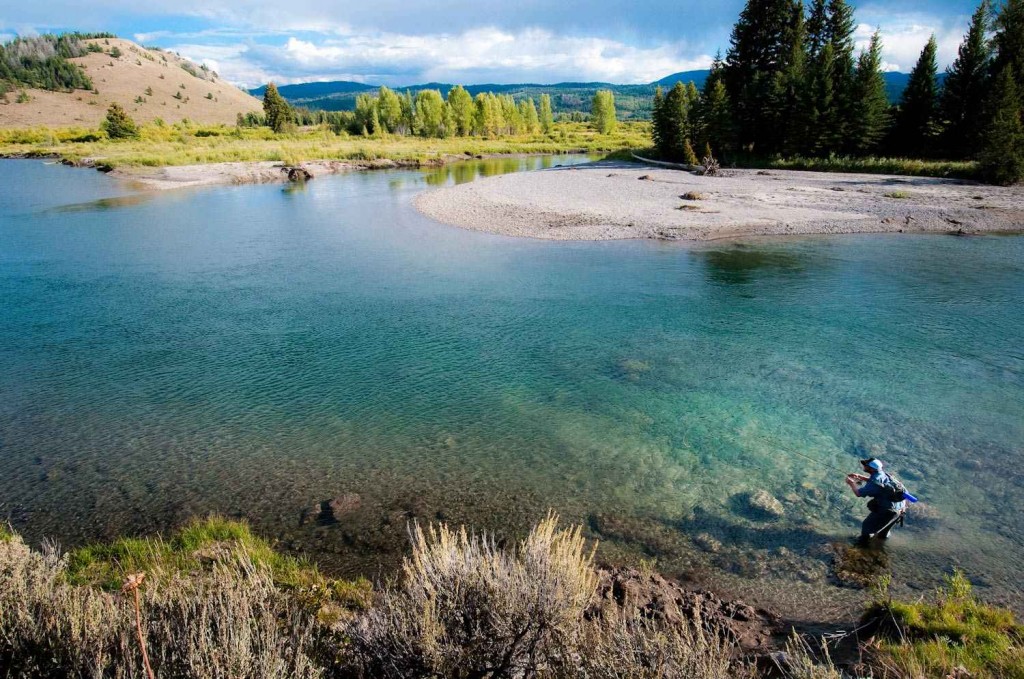
A while back, I wrote a post about how important it is to not put all your eggs in one basket (fishing only one river system) during your fly fishing travels.
What I didn’t mention in that post and should have, was how important it is to not give up when it seems like the entire universe is conspiring against you. My last trip to Wyoming with Louis was pretty awful. We had to overcome a car break down in the middle of no where, water levels so low we couldn’t float in the drift boat we rented for an entire week, and one of us was almost hospitalized by infection. We lost 2 1/2 days of fishing that trip and we were constantly at each others throats. Even the cold beer flowing over our lips wasn’t enough to raise our morale. I’ll leave it at that, because I’m sure Louis will be writing a very humorous piece down the road shortly, detailing the trip, and I don’t want to spoil it. Here’s the important point I’m I’m trying to get at. It only takes one good day of fishing to make a fishing trip meaningful.
Yeah, we’ve all had perfect fishing trips in the past. The problem with that is perfect fishing trips aren’t the norm, and we often find ourselves in the middle of a trip, complaining about the not so optimal fishing conditions, and then start passing judgment on the present trip by comparing it to our past epic trips. Wake up…., fishing all over the world is getting tougher each year, and we better prepare for it by resetting our fishing expectations accordingly, otherwise we’re going to be setting ourselves up for future disappointment. Again I’ll say, it only takes one good day of fishing to make a fishing trip meaningful. Live by this, and you’ll
Read More »Who Says Short Rods Are For Small Streams
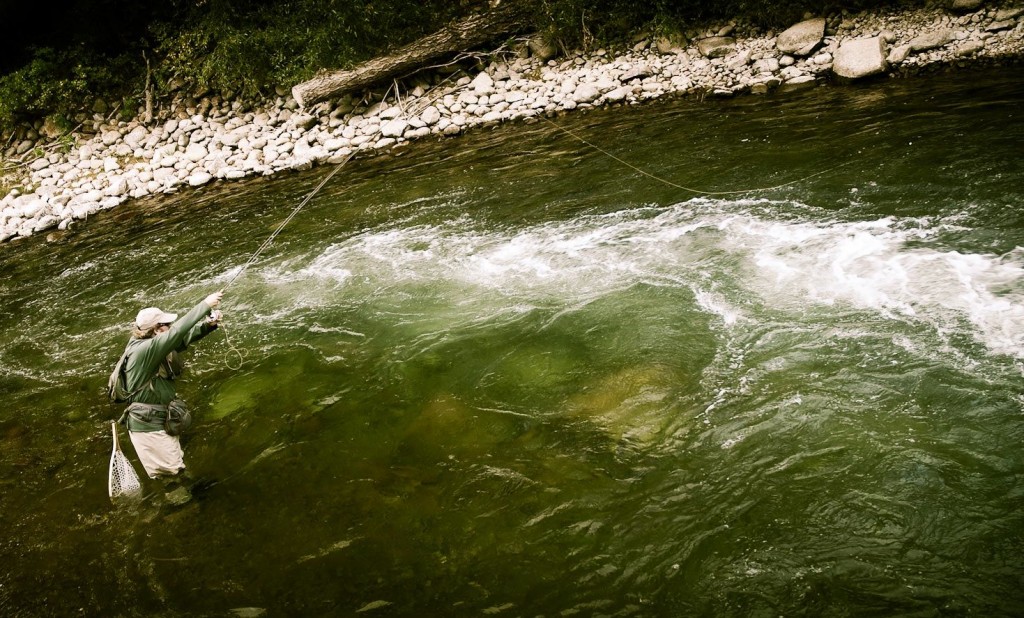
MY GOOD FRIEND DAVE GROSSMAN DECIDED TO TRADE IN HIS 9 FOOT BOAT RODS FOR 10 FOOTERS THIS YEAR.
So far, this fishing season he claims the extra foot of graphite has been working wonders for his clients on the water. Dave says, “I find that the ten foot fly rods make it much easier for my clients to mend their fly line, especially when they need to mend a lot of line. That translates into them consistently getting longer drag-free drifts. The longer rods shine when we need to high-stick across multiple currents, and they also allow my novice clients to squeak out a little more distance in their casts.”
After hearing those positive comments from Dave, I decided to give them a shot with my own clients, but I’d take it a step further. Instead of just incorporating them on float trips on the big rivers, I’d experiment using them on small to mid-size streams. The first trip out was a real eye opener and success with the ten foot fly rod on one of my 30′-40′ wide trout streams. To my amazement, the longer rod outperformed my standard 8 1/2-9 foot fly rods in almost all fishing scenarios in my clients hands. The only area the ten foot rod underperformed, were spots where the stream narrowed drastically or when it was really tight and cramped. The surprising thing about that, is it actually happened a lot less than I thought it would, and when it did, I’d just handed over the shorter rod I was carrying to my client. The key was positioning my angler in the correct spot, reminding him he had a longer rod in his hand, and then choosing the appropriate fly cast to present our flies.
I continued the experiment for several more guide trips, and it quickly became apparent, that all the fly fishing literature I’d previously read about matching the length of your rod to the size stream you were fishing, was actually just one way of looking at it. If there’s one thing I’ve learned over the years with fly fishing, it’s that there’s almost always multiple options (types of casts, types of rigs, types of gear, ect.) that are feasible for anglers to use when fishing any given situation. Most of the time we end up going with the status quo, which is the obvious and most popular method for the fly fishing situation at hand. Sometimes, however, if we’re not afraid to think outside of the box, and open to use an unorthodox approach, it has the potential to end up performing even better for us on the water.
BENEFITS THAT I NOTICED WITH MY CLIENTS WHEN I PUT A LONGER FLY ROD IN THEIR HANDS.
Read More »