
The Flies Of Our Fathers
I RECENTLY VISITED MY HOME TOWN IN VIRGINIA FOR A FUNERAL.
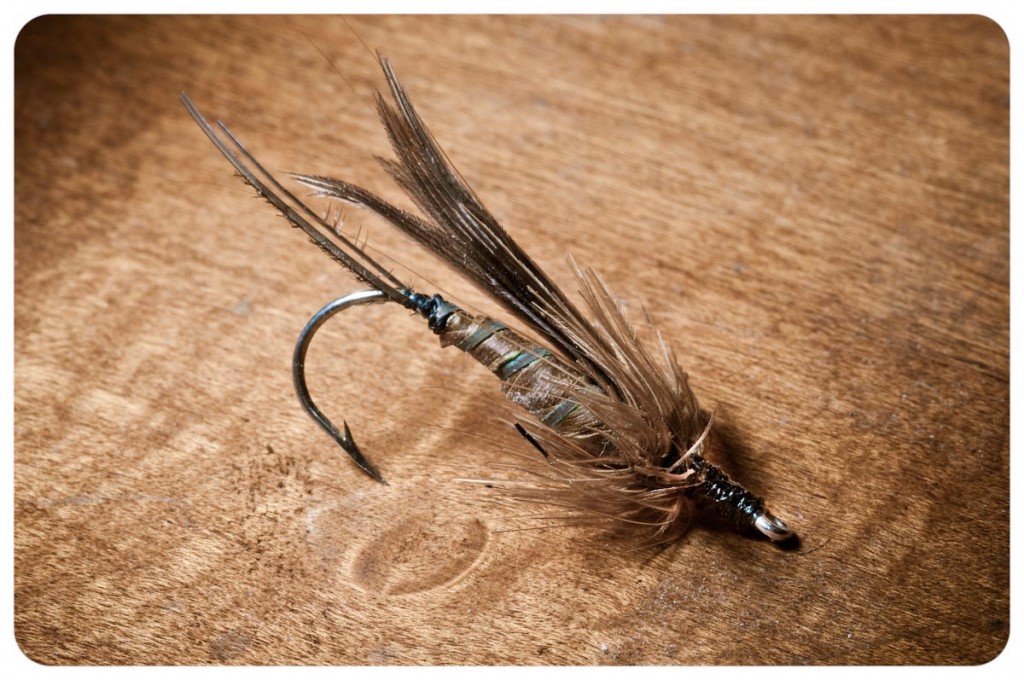
Although the occasion was a sad one it was the largest gathering of my family in some time and as you would expect there was a good deal of nostalgia and sharing of family stories. This got me thinking about my Grandfather. W.S. (Pete) Cahill, “Dad” to his Grandchildren, was the man who taught me to fly fish when I was eight years old. He was an icon in our family. In our community really. He was an inventor. Honest to God, that was his job. He held dozens of patents. He was a skilled machinist and, in spite of limited education, the most brilliant and creative person I have ever known. He passed away a long time ago but his home has remained in the family and my brother moved in there a few months back. I knew that he had found a box of Dad’s flies. I couldn’t resist photographing them and like most encounters with my Grandfather, I learned a few things.
I’m not suggesting that Dad was a great tyer. Fishing was a hobby and he was a workaholic. He loved to fish but seldom got the chance. His flies were utilitarian but effective and some great examples of the common wisdom of his time. My guess is that most of these were tied in the 1950s or 1960s. There are some classic wet patterns like the Royal Coachman. There are classical streamers. Maybe most interesting are stone fly nymphs that foreshadow today’s more realistic aesthetic while holding on to the art deco influences of the 1940s with their long sweeping tails and streamline design. Some are so simple you might feel silly fishing them but I feel sure they will still produce.
The materials are very different from what we use today. Hackles are much coarser. Thread is of a heavier weight. The materials all seem stiffer than what I use. There are, of coarse, no synthetics. Swiss straw is fairly common and floss ribs the bodies where you would expect wire. The colors are mostly
Read More »Fish the Amazon with Gink & Gasoline and Nomadic Waters!
By Justin Pickett
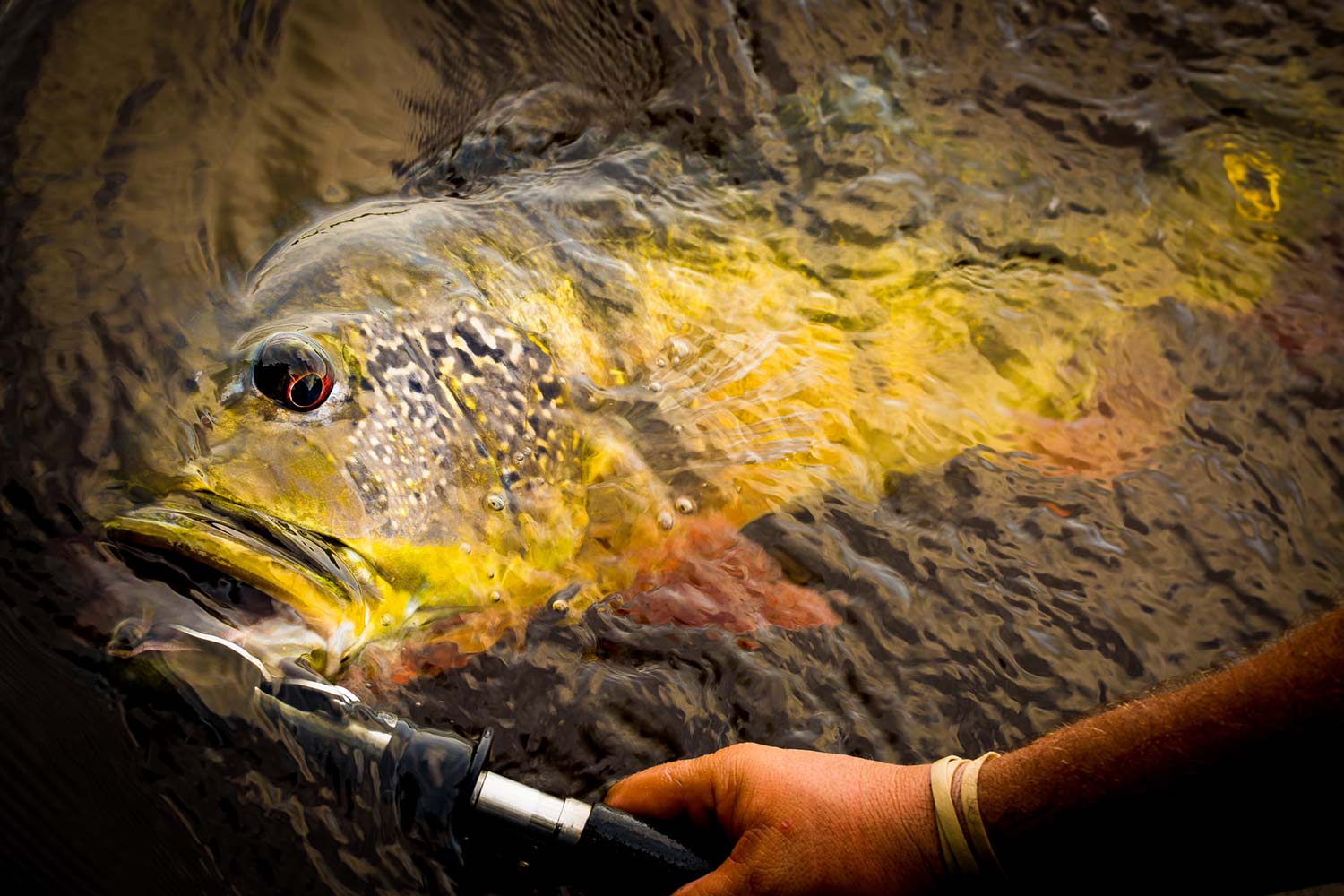
Who’s ready to chuck flies at aggressive Peacock Bass in the Amazon jungle?
We are excited to announce our newest hosted trip with Nomadic Waters! Join us September 10-18, 2021 as we travel to the Brazil interior to chase Peacock Bass throughout some of the Amazon River’s fish-filled tributaries. The Peacock Bass of the Amazon are known as some of the most aggressive, yet beautiful fish on the planet. Found on most anglers’ bucket list, they live within the watersheds of the largest, most biodiverse rainforest on our planet, making this a trip of a lifetime.
Before we go any further, I know everyone is concerned about COVID-19. You’ve got questions and Nomadic Waters has answers.
Read Nomadic Waters COVID-19 policy here: https://www.nomadicwaters.com/covid19-response
Read General terms and conditions here: https://www.nomadicwaters.com/terms-and-conditions
Over the past several years, the Nomadic Waters crew has developed a fly fishing experience that offers amenities and hospitality unrivaled by other operations in the Amazon.
Through their dedicated work they have built strong relationships and gained support from the local Amazon communities, helping grow their mothership program to become an increasingly popular fishing program that welcomes many repeat guests, and hosts, yearly. Yes, the fishing in the Amazon is amazing, but it is the attention to the finest details, professionalism, and their hard-working staff that made us choose Nomadic Waters.
Location: Uatumã River Federal Reserve, Brazil
Trip Dates: September 10-18, 2021
Price: $5500 ($5800 after April 1, 2021). A 50% non-refundable deposit will hold your spot.
Our trip will focus on the prime time of year to fish the waters of the Uatumã River and the surrounding federal reserve. September through October is the sweet spot of time when the water is low enough to bring the fish out of the deep cover, but remain deep enough to navigate our mother ship through the Uatumã’s secret channels. This area has very limited access to outsiders. In fact, Nomadic Waters is one of only three outfitters allowed inside this federally protected reserve. This means that you will be casting in water that has not been fished since the previous year’s trips, literally 365 days before. Because of this, these fish are less accustomed to being fished to, which only increases your chance of hooking up!
Being that Nomadic Waters is a mothership program, we will constantly be on the move. Fishing from top-of-the-line Bass Trackers (don’t worry, they’re setup for fly fishing!) during the day, the mothership will motor to a new location overnight. Due to this and the great size of these waters, you will always have short runs to the fishing and never see the same water twice! Throughout the week we will cover some 60 miles of river, while also exploring some of the countless lakes and lagoons along the way. The mothership is rarely more than 20 minutes away from where we are fishing, so this is a great expedition for those who might want to come back early and rest. Anglers often choose to return to the boat for lunch and a siesta in your air-conditioned suite, or in a hammock on the deck.
This is a great adventure for anglers who are looking for a complete jungle experience. We will have contact with small jungle communities throughout the trip, usually having several opportunities to visit
Read More »The New Ross San Miguel Fly Reel
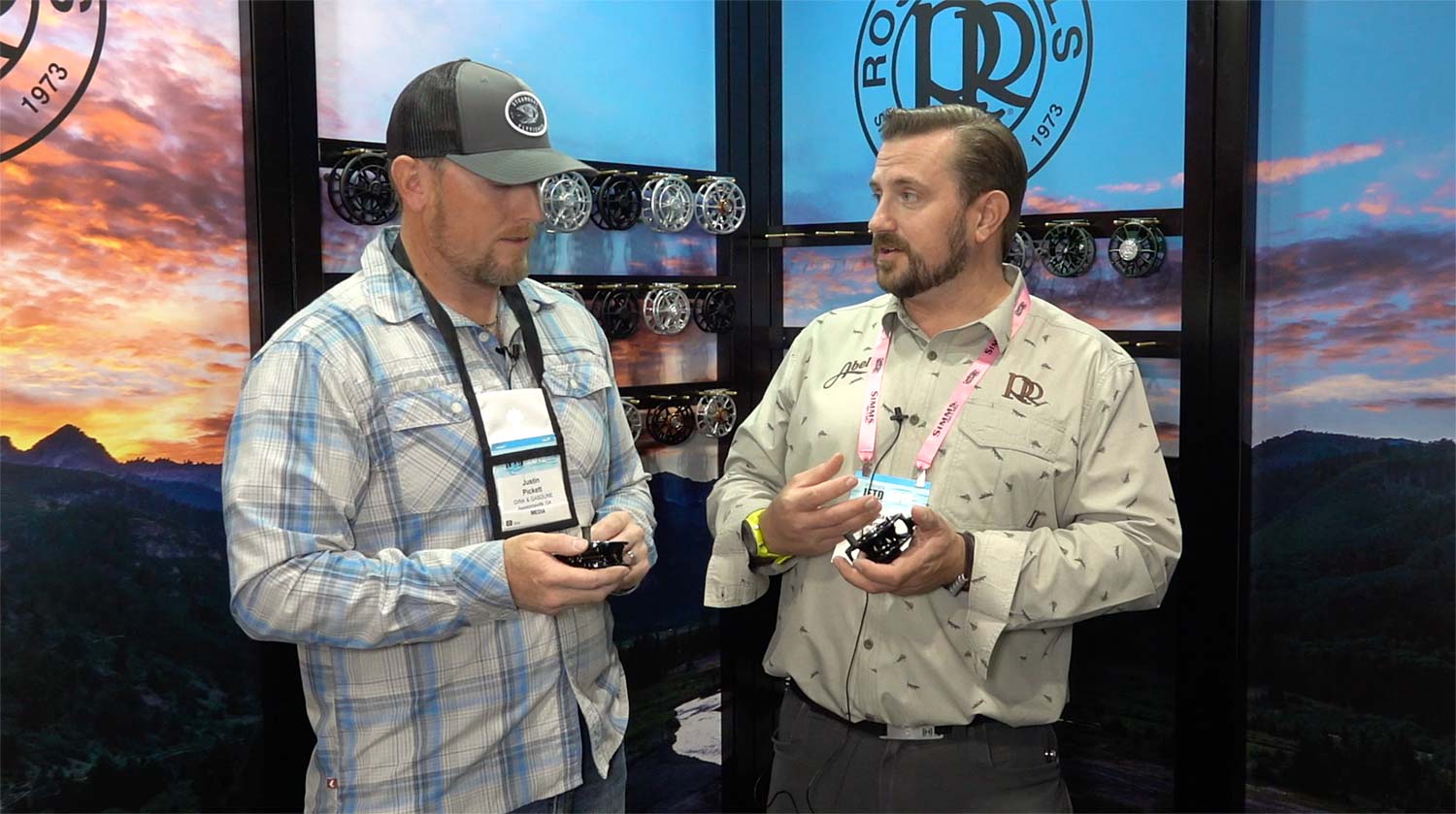
The new San Miguel fly reel from Ross is an update of a classic design.
Sometimes you can’t beat the classics. While the look and feel of the new San Miguel is all classic, there are some definite performance upgrades, like the hidden large arbor.
CHECK OUT THE VIDEO FOR ALL THE DETAILS ON THE NEW SAN MIGUEL.
Read More »Why All Fly Anglers Should Be Watching Their Back Cast
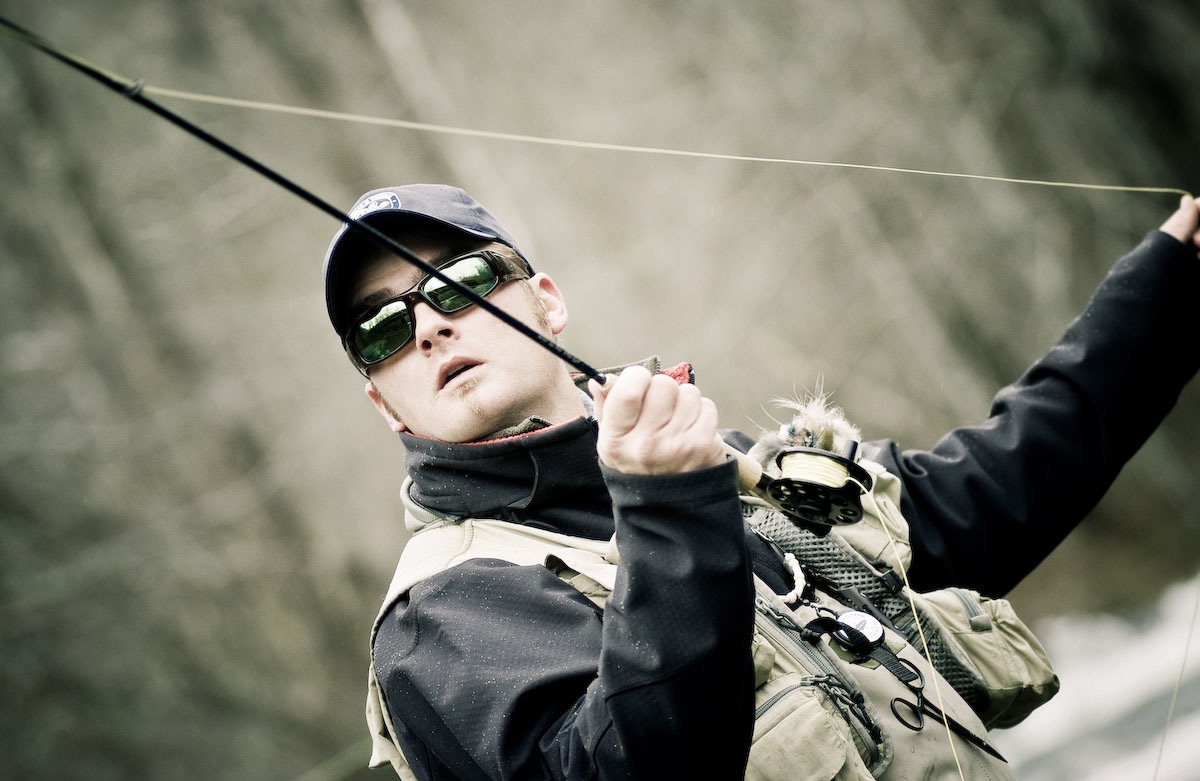
No fly angler should ever feel ashamed to watch his/her backcast when fly fishing. In fact, if you make a habit of consistently watching your back cast, you’ll become a much better fly caster overtime and catch a good deal more fish when you’re on the water. Just because Brad Pitt in the movie, A River Runs Through It, didn’t watch his back cast in most of the fly fishing scenes throughout the film, doesn’t mean fly anglers should follow his lead. The best fly casters in the world watch their back cast when presentations call for it. They might not do it all of the time, but they sure as heck don’t think twice about doing so, when a specific presentation calls for it.
Read More »Top 10 Redfish Flies
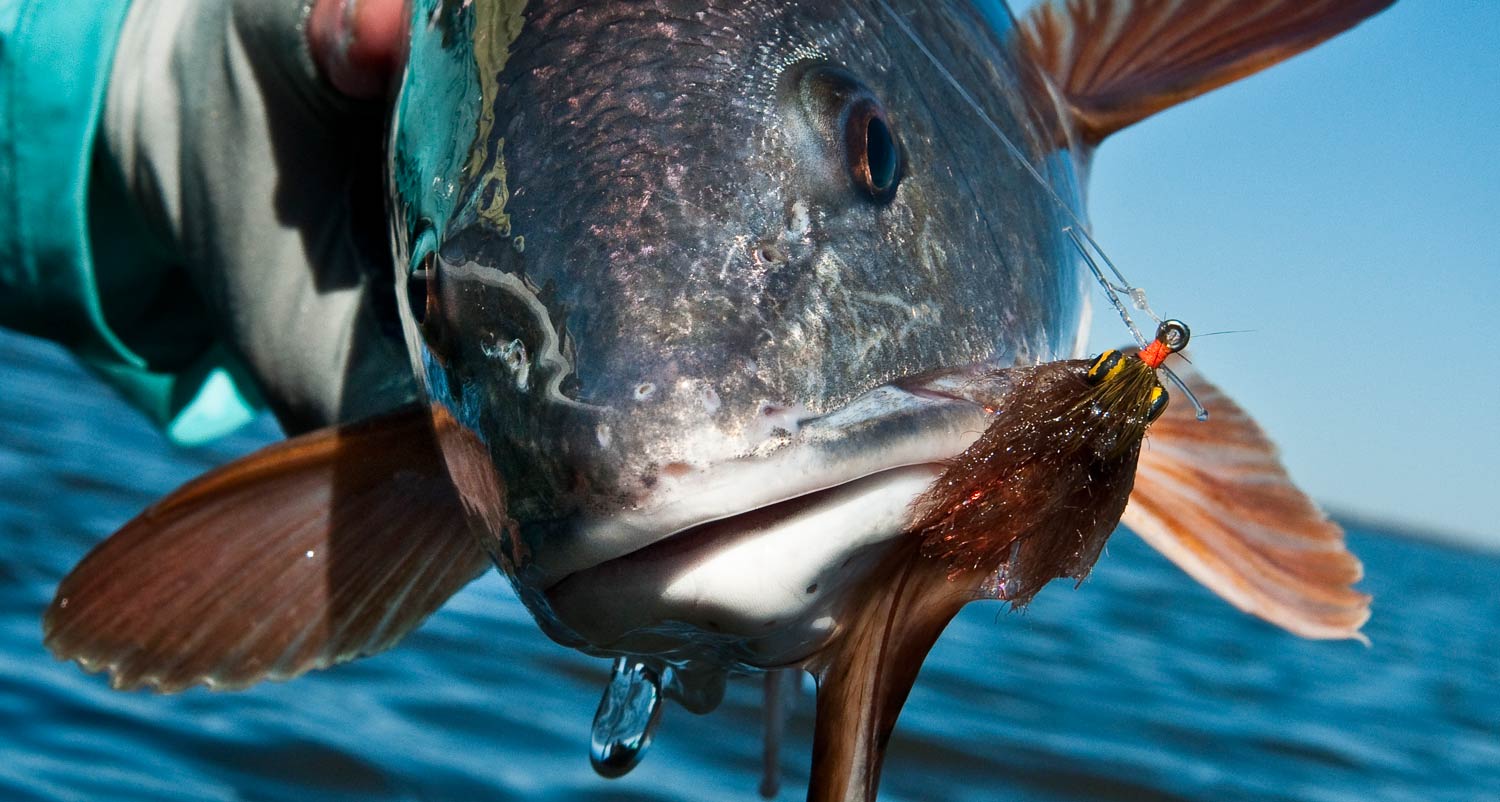
THERE ARE HUNDREDS OF REDFISH PATTERNS FLOATING AROUND OUT THERE.
All the way from Florida to Texas anglers and tyers are hard at work designing patterns to fool redfish. Most of them imitate the crabs, shrimp, and baitfish that make up the majority of the redfish diet. The great thing about redfish patterns is, for the most part, they are pretty darn simple fly and easy to tie. It’s one saltwater fish that isn’t very picky. Redfish are aggressive enough to take just about anything that’s swimming in front of them. The key to choosing a fly for redfish, like most fish, is knowing what they’re eating that time of year, as well as water clarity, and how active the fish are in their current situation on the flats. There are tons of awesome redfish patterns and it’s not easy to pick a top 10 but here are 10 of my favorite commercial Redfish Patterns.
#10 Kinky Muddler
Big bait, big fly. This is a go to pattern during the warmer months when Redfish are feeding on finger mullet. The low tide flats seem to fill up with mullet and the redfish take full advantage of the buffet. This is one of the best all around finger mullet flies and it works well when the fish are focused on the bigger baits. The Kinky Fiber and Angel Hair provide a big head followed by bucktail, and long stripes of saddle hackle give it the mullet movement.
#9 Fools Gold
An excellent small crab pattern for tailers. Gold body, raccoon tail, and dumbbell eyes to get it down. Works along the bottom like a crab and also gives a soft presentation with its light weight, and small size. Lots of movement and flash to get the full attention of a redfish looking for food.
#8 Fishalicious
Funky but effective on not only redfish but baby tarpon, and snook. The deer hair head gives it almost a subsurface presentation and works great for those actively feeding redfish. Not a very heavy fly but creates a lot of movement when fishing shallow water redfish. The darker Olive/Black color works very well in muddy water situations too.
Read More »Winston Air TH Spey Rod: Video
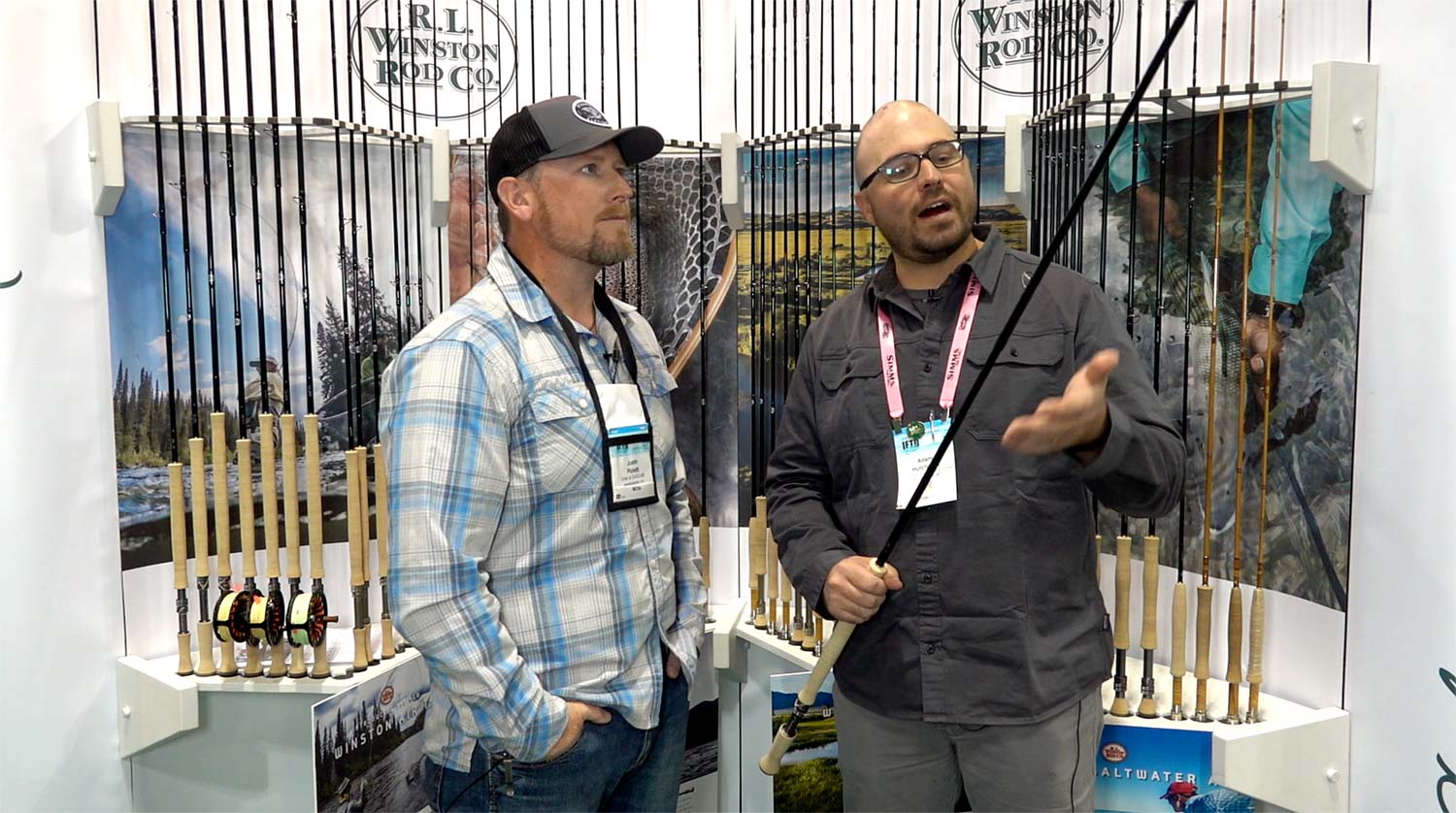
These new two hand rods from Winston incorporate the technology and materials of the Air rod family.
The Winston Air is one of the most responsive fly rods on the market. Thanks, in part, to it’s nano-silica technology the Air delivers maximum performance with minimum effort. The Air TH, in classic Winston 13′ 3″ length is no exception.
WATCH THE VIDEO FOR ALL THE DETAILS ON THE WINSTON AIR TH.
Read More »The New Able Vaya Fly Reel
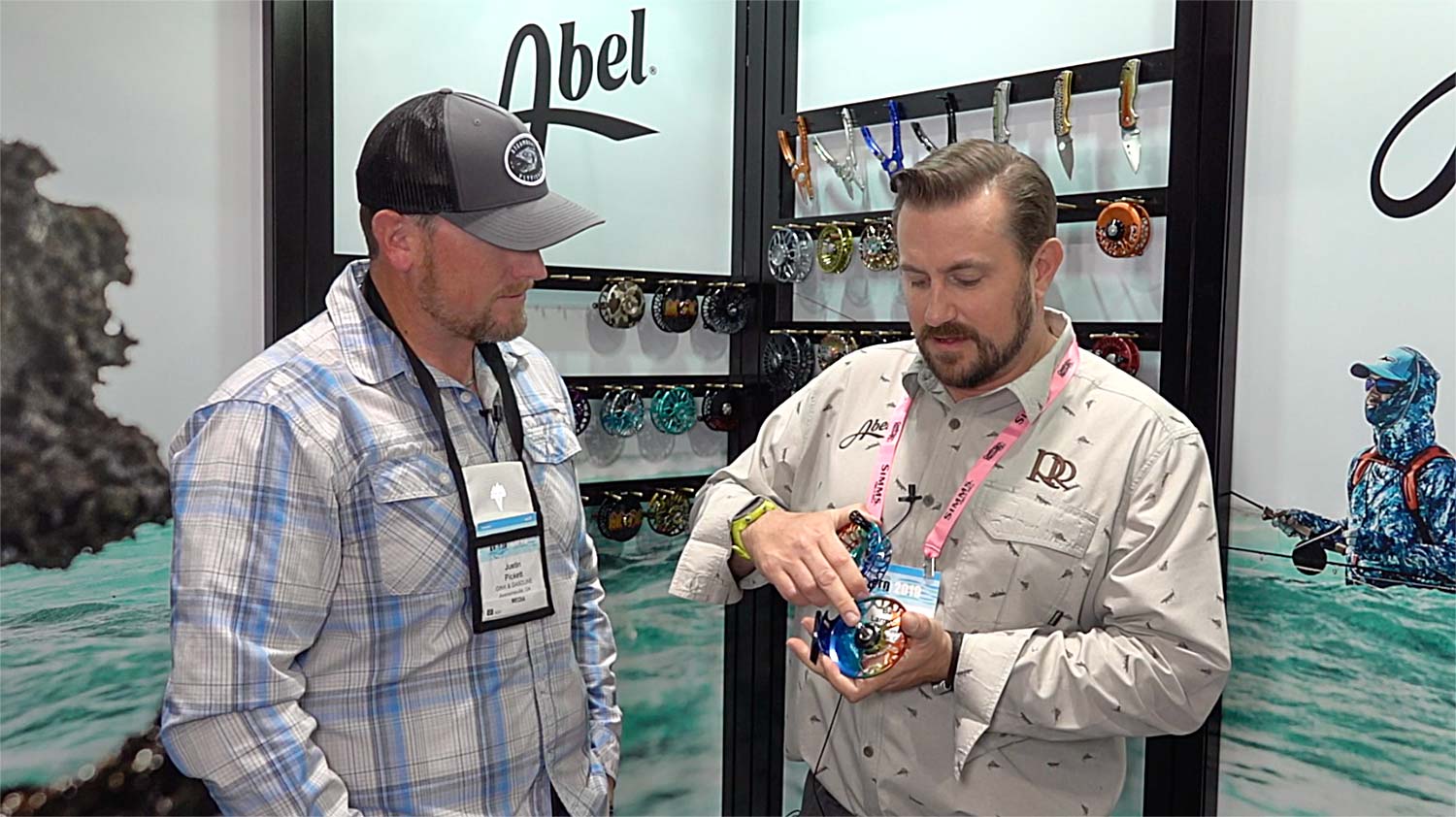
The updated Vaya fly reel is a unique piece of fly fishing gear.
Sealed drag, quick release spool, and of course stunning finished inside and out are a few of the features of these hot looking, saltwater safe fly reels.
WATCH THE VIDEO FOR ALL THE DETAILS ON THE NEW ABLE VAYA.
Read More »The First Ten Seconds

CHAOS AND PANIC ARE GOOD WORDS TO DESCRIBE WHAT GOES THROUGH MANY ANGLERS HEADS DURING THE FIRST TEN SECONDS FOLLOWING A BIG FISH HOOKUP.
The decisions you make during those first seconds of the fight will often determine whether you or the fish wins the battle. There’s lots of ways to lose a big fish and sometimes it’s completely out of your control. But one of the worst decisions you can make, specifically when a fish is making a screaming run upstream or downstream of you, is deciding to stay put and not follow. When this happens you better be ready to kick it into high gear and move your ass fast in pursuit. Otherwise, you’ll quickly find yourself with no leverage to apply adequate power to fight and steer the fish. It’s like trying to drive a car on a curvy road without a steering wheel, it’s just not going to work.
Big trout usually only have a couple really long hard runs. If you can stick with them during the blitzing runs and keep good tension, you’ll often find the hardest part of the fight is over with. After that it’s all about being patient and
Read More »Riversmith River Quiver: REVIEW
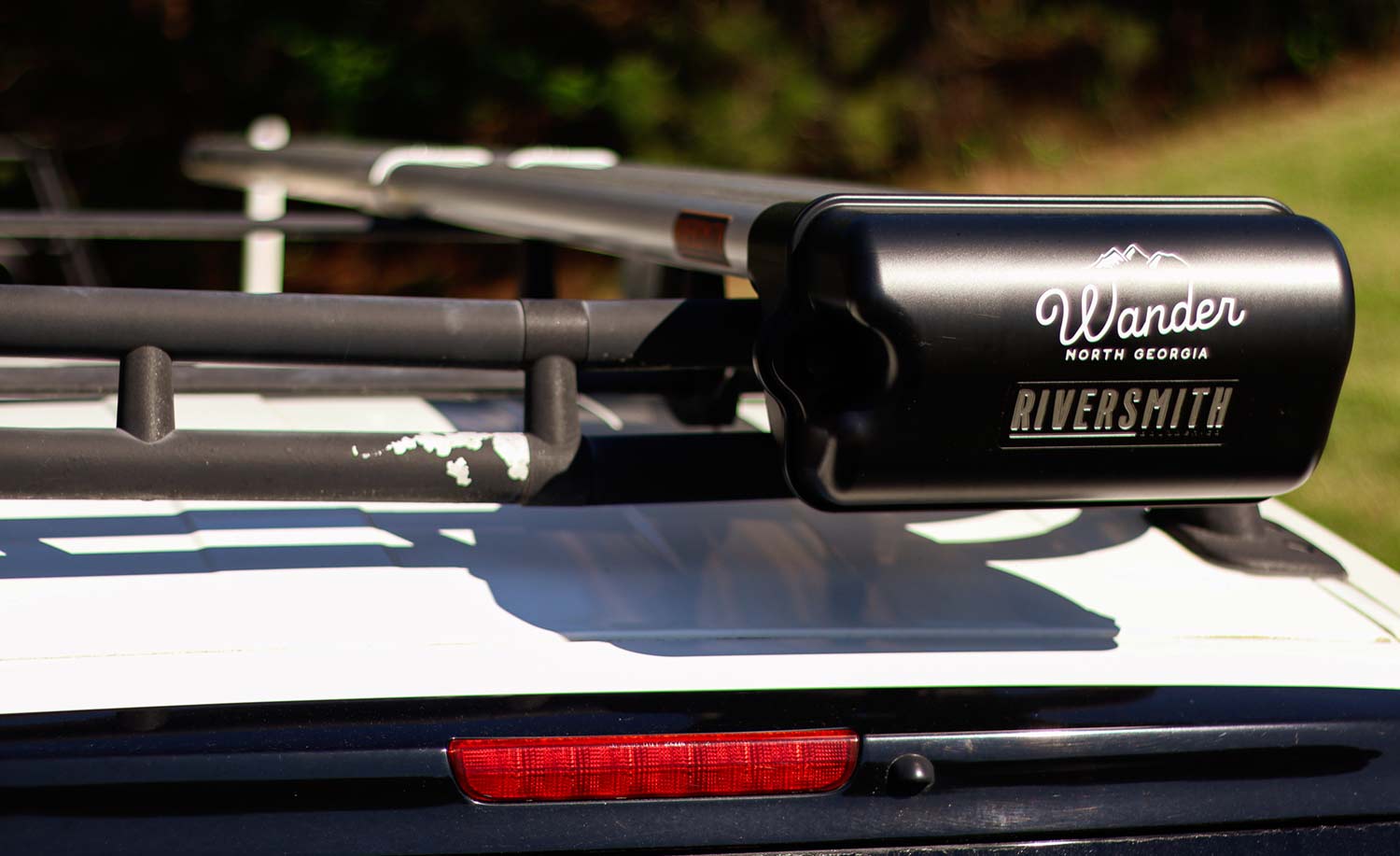
For more than two decades I’ve done it the exact same way. Rise before the sun, chuck my waders, boots, and gear in a big plastic tub, and then toss my rigged-up rods inside the cab of my vehicle.
The long, bumpy, unkempt roads of the southeast’s public lands wreaked havoc on my trucks. Those fragile fly rods that I haphazardly tossed through the back glass? Rod tips sliding across the dash. Blanks bouncing over the backseat. Most days I was just lucky they made it. There were plenty of unlucky days, though. Never did I think that I would find myself snapping off the tip of one of my fly rods because it got stuck between the windshield and the dashboard, but one morning I did just that so I could go fishing. And that sound… That awful sound of a fly rod screming as it is sent through the glass guillotine… my passenger window. Car doors. Rear tailgates. They have all caused their fair share of destruction. Not to mention the constant sliding around of fly rods and constantly moving them out of your face. And yes, I have tried a handful of interior rod racks, but none ever really solved any problems or worked well enough to keep around. So, until recently, I’ve just dealt with having fly rods running amuck in my vehicles.
About a year ago, I received a phone call from the folks at Riversmith. They had recently launched their new River Quiver rod rack and were generous enough to send one my way to test drive. After talking with Luke on the phone, and meeting John at IFTD, I can tell you from the get-go that these guys have the right ideas, methods, and goals in mind. They themselves were avid fly anglers and had used other rod racks on the market that left them with the desire to design a better one. Riversmith unturned every stone on this project. Aside from just being able to carry fly rods, they wanted the River Quiver to excel in areas where others fell short. Security. Durability. Design. Ease of use. They even focused on materials and design that would ensure road noise was kept to a minimum. Not only developing a solid product, Riversmith has also committed to excel in customer service and sharing their passion for fly fishing alongside their customers.
Riversmith offers four different models of the River Quiver that will accommodate most anglers’ needs, as well as two color options. The standard River Quiver is available as a “2-Banger” at $399.99 and a “4-Banger” at $599.99, allowing folks to carry either two or four rods up to 10’4” in length along on their journeys. If you’re needing to carry along some longer sticks, Riversmith also offers extended versions of both the “2-Banger” and “4-Banger” that allows enough space for rods up to 11’4” in length. Originally offered in unfinished aluminum (which we have), the River Quiver is now offered in a sleek, matte black for an extra $60 for the 2-Banger and $80 for the 4-Banger, and is currently only offered on the standard length models. The sturdy reel box is made of tough AES polymer and features a keyed lock with a beefy hinge and side-swinging door. The box has ample room for large saltwater reels and allows for larger fighting butts. A tongue-and-groove joint runs around the entire perimeter of the box and resists prying and tampering, keeping your rods and reels that much more secure. Each of the rod tubes are
Read More »New Alpha Fly Rods From Winston
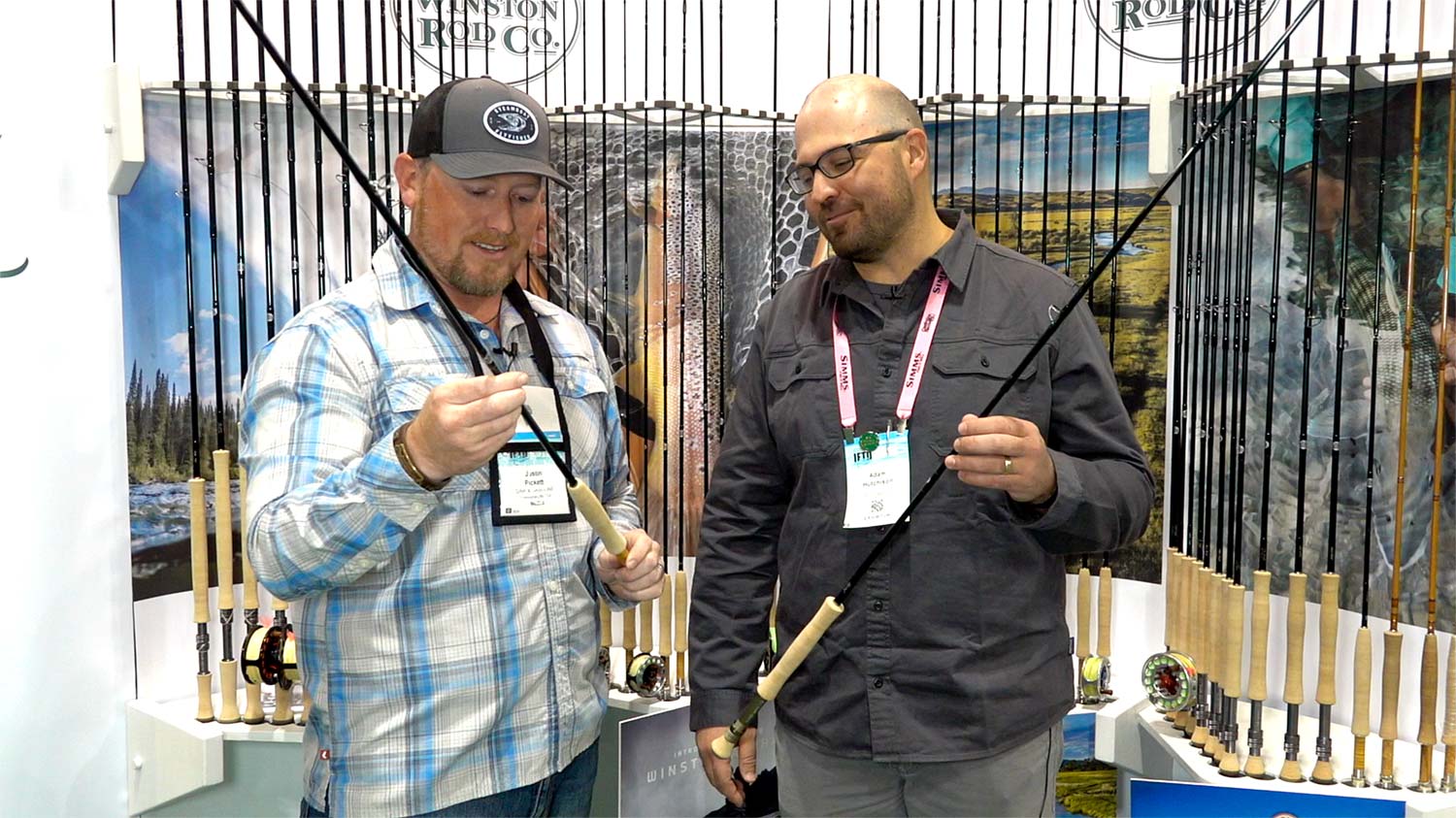
The new Alpha series fly rods from Winston speed things up.
Winston is hitting the ground running with a new fast action rod. The Alpha is a top shelf offering in Winston green and all the touches that go with it. It also uses the famous Winston Boron reinforced but section. Justin Pickett is a big fan.
WATCH THE VIDEO AND HE’LL TELL YOU ALL ABOUT THE NEW WINSTON ALPHA.
Read More »