
Fly Fishing for Brown Trout in the Summer and Early Fall
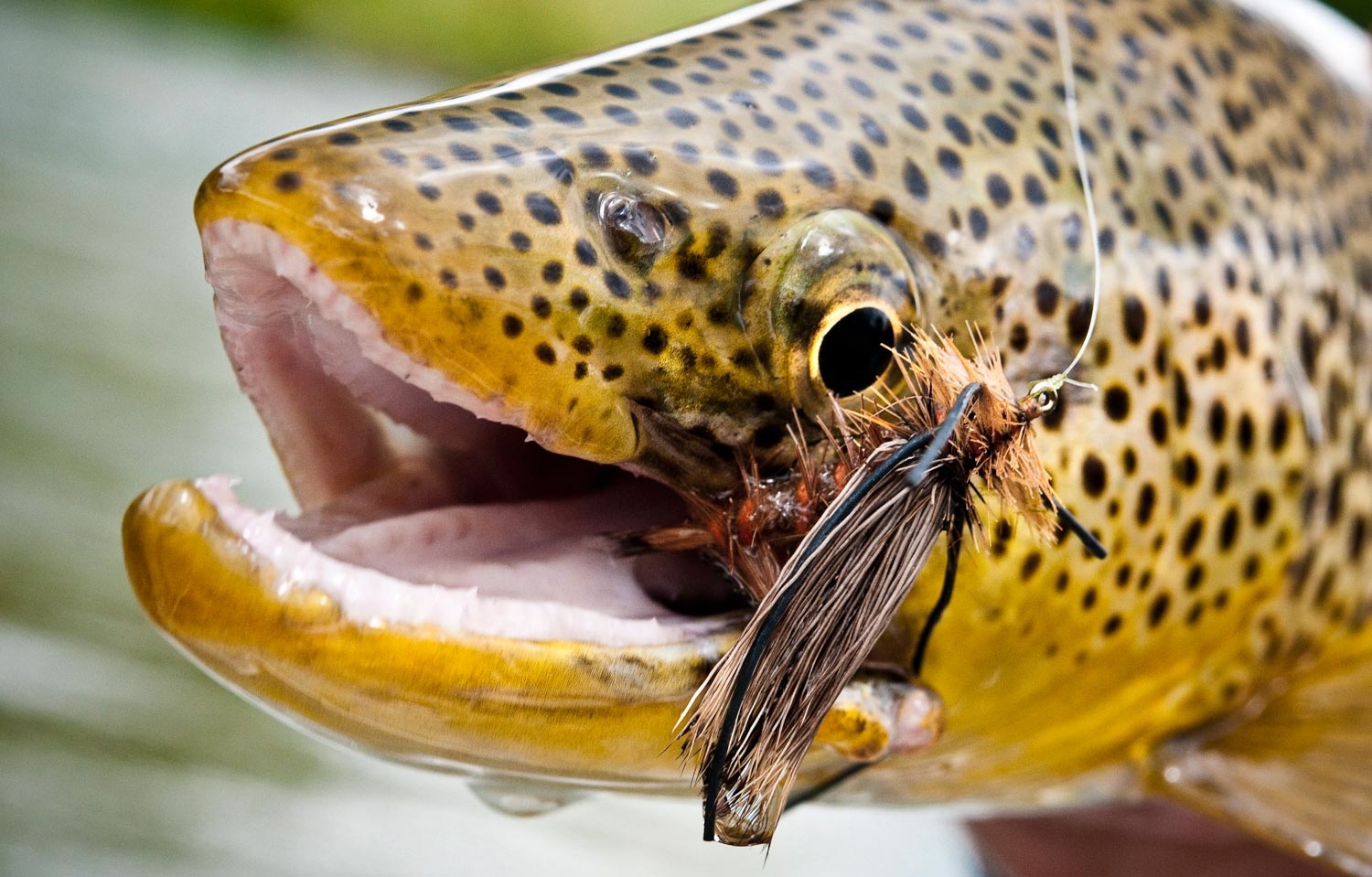
Over the years, I’ve made the mistake many times of walking past trout water that I thought was too shallow to hold trout. Most of the year trout prefer depth transitions where shallow water flows into deeper water. These transitions provide shelter from excessive current and increased safety for trout, and locating them is usually the ticket to finding and consistently catching trout. However, during the summer months, brown trout particularly will often disregard these areas, opting instead to hold tight to the banks in extremely shallow water. They do this to take advantage of terrestrials falling into the water, but I think they also do it because there’s generally shade available and they instinctively know it’s a good spot for them to remain largely undetected.
Read More »Practice Makes Permit
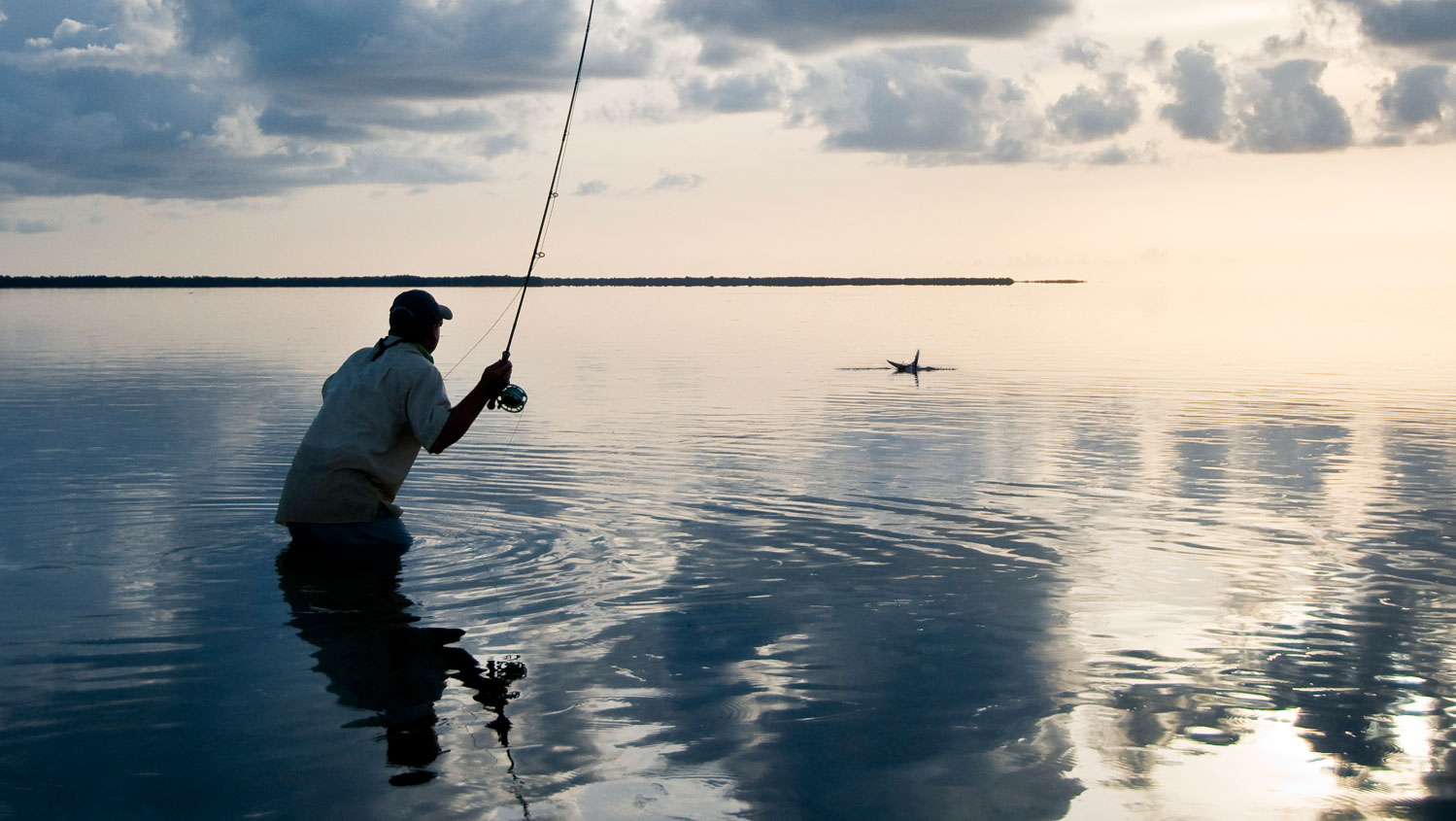
TODAY WE HEAR FROM ANOTHER NEW G&G CONTRIBUTOR.
Bruce Chard likely needs no introduction. You’ve seen and heard him many times on G&G, but now its official. We are proud to have Bruce a regular contributor on all things saltwater.
Photo by Louis Cahill
Photo by Louis Cahill
NO SPECIES CHALLENGES THE FLY ANGLER LIKE PERMIT.
They’re smart, spooky and have great eyesight, if not ESP. Fooling one with a fly is one of the most challenging and rewarding things you can achieve in fly fishing. An accurate presentation increases your odds exponentially!
You should practice casting as much as you can before any flats fishing trip but especially before a permit trip. Accuracy is definitely more important than distance in permit fishing, so challenge yourself for accuracy during practice sessions.
You’ve heard the saying “Practice Makes Perfect”. Well I think when we are talking about saltwater fly fishing/casting “Practice Makes Permanent!”
Practice casting develops muscle memory and muscle memory lets you deliver under pressure. The more practice time you put in, the more you will get out of it. Repetition is the key. Three one hour sessions are better than one three hour marathon.
Flats fishing is a serious challenge. Mother Nature will leave you head down and humbled and usually the angler’s casting ability more than anything else is to blame. This is easy to fix. Just practice! A lot! The more the better!
Here are some things you can do to practice accuracy.
Read More »3 Tips for Fishing High and Dirty Water for Trout
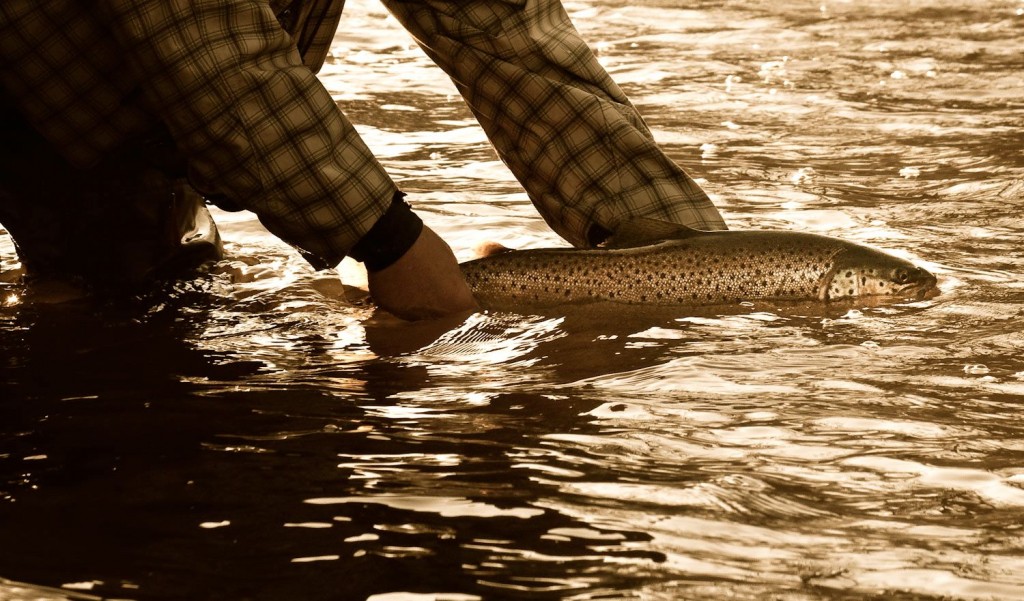
Have you ever pulled up to a stream after a heavy rain, ready to fish, but canceled your fishing plans because the water looked too high and dirty?
I’ll be the first to admit there are times when this is the case, but very often anglers scratch their fishing plans when they should instead, have Fished-ON. The fact is, trout can see a whole lot better than we think, and if you fish the right kinds of fly patterns, and target the right water, in many cases you can do pretty darn good fishing in these water conditions. Even better, your odds at catching a trophy fish are increased, because the dingy water will both mask your approach and keep big educated trout from being able to scrutinize your fly patterns. So go ahead, call those anglers you despise and tell them the waters blown out, and you’ll have a good chance of having the water to yourself and wailing on fish all day long.
Tip 1. Target the Right Kinds of Water
So you’ve decided to take my advice and fish on, good for you. The first thing you need to do when fishing high and dirty water is target high percentage water. I search out the slower moving seams close to the banks, long stretches of fast shallow water that are followed by buckets or deep water where the fish will stack up, and eddies behind boulders or lay downs. These are all safe havens that trout search out refuge in during high water. They all allow trout to save energy by staying out of the excessive current, while capitalizing on the large influx of food sources drifting. Increased flows and rising water increases the amount of food available for trout. Many aquatic insects get flushed off the bottom of the stream, while others emerge from the freshly submerged stream banks. Examples of this are big stoneflies that are normally found hiding away in clumps of debris and under rocks, and cranefly larva that get washed in from the high water flowing along the banks.
Tip 2. Choose Larger and Brighter Fly Patterns
The second thing an angler needs to do to increase their success rate while fishing high and dirty water is choose the right kinds of fly patterns to fish. This is the one time when I feel I don’t have to carry my entire arsenal of gear. I’ll gladly leave my fly boxes with all my tiny fly patterns and light tippet spools at the vehicle. I’ll rig up a 9′-12′ 3x-4x fluorocarbon leader and carry only my fly boxes with
New Treatment for Casters Elbow
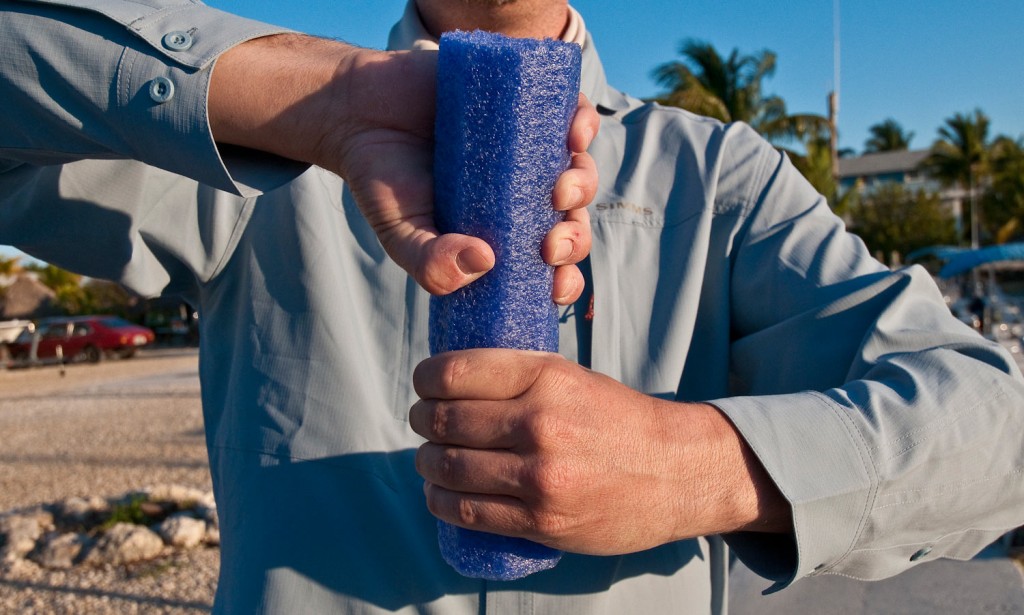
Ok, it tennis elbow but it might as easily be casters elbow.
If you’ve spent much time on the cork end of a fly rod you’ve felt that burning in the elbow. Probably while you were fighting a big fish. That’s when it usually gets me. This came up while fishing with a friend who like me plays guitar pretty regularly. When combined with a couple of days a week fishing it’s a recipe for pain and suffering.
I did some research and came across a new gadget for the treatment of tennis elbow that’s pretty effective. It’s called Flex Bar. It would be tedious to explain how to use it but this video, although goofy as hell, gets it across. It’s pretty simple. You can buy one of these online for $15 or so but I made my own by cutting off a piece of a foam pool noodle from Wal-Mart. You have enough foam
Read More »Getting the Hero Shot When You’re fishing Solo
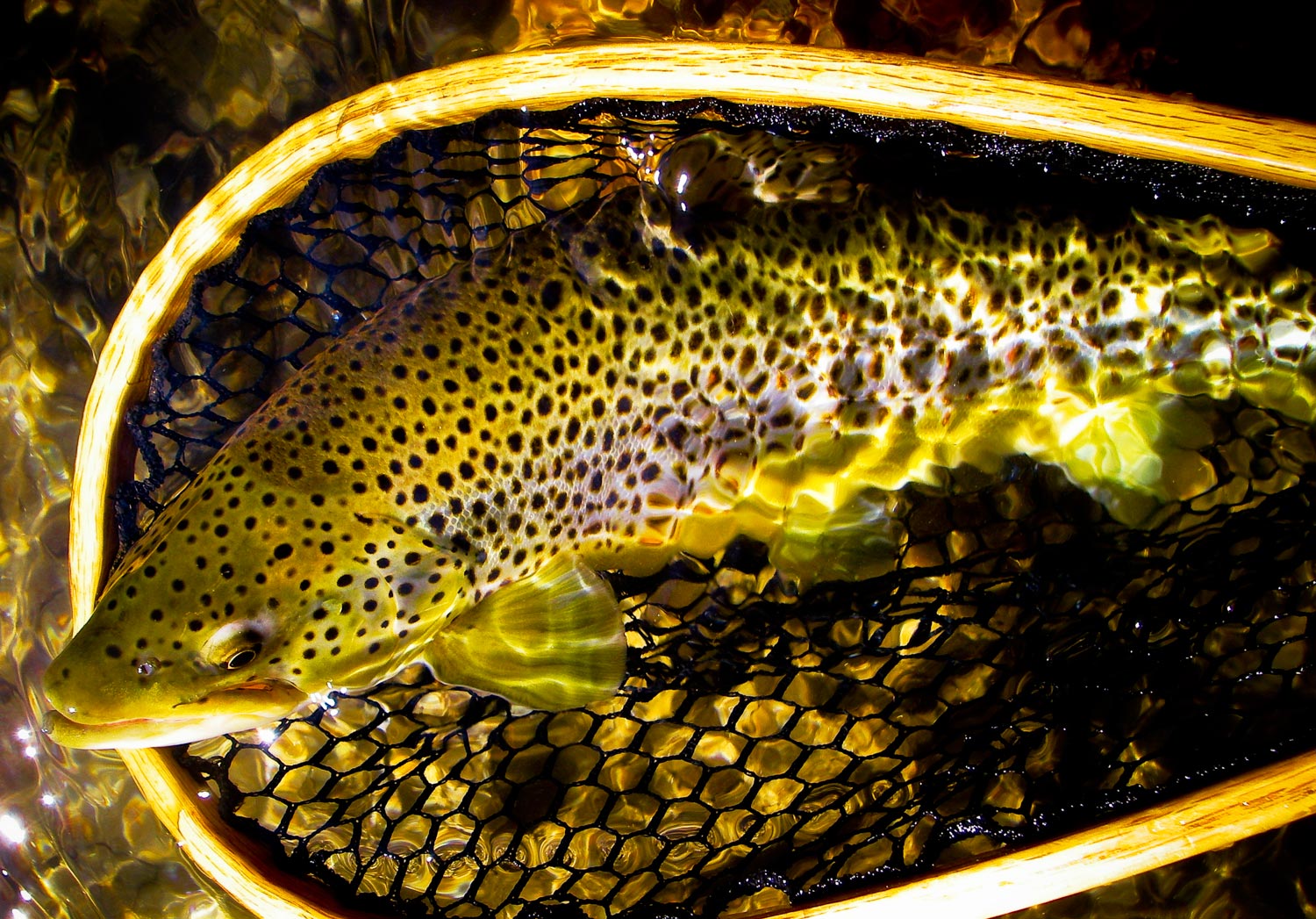
“HOW DO PHOTOGRAPH MY FISH WHEN I’M BY MYSELF?”
I get this question all the time and I wince every time because I know there are many guys doing great harm to fish in an effort to capture the moment. I know because I was once one of them. Before I took photos of fish for a living, I took them for the same reason everyone else does. To have a memento of the experience. There’s not a thing wrong with that, but there was plenty wrong with the way I went about it.
With that in mind, and from a place of total humility and a little bit of shame, I’ve decided to try and help by laying out some strategies for getting a good solo photo of a fish without doing it any harm. It may require a little more work or some compromise but in the end you and the fish will both feel better.
Let’s start with what not to do. The mortal sin is to beach the fish. Never, ever take a fish out of the water and lay it on the bank for a photo. This kills fish three ways. It removes their protective slime and exposes them to harmful bacteria. It deprives them of oxygen for too long when they are already stressed and it puts them at risk for head trauma if they panic and start to flop around. What’s worse is to lay the fish on the snow in the winter. The risk are the same with the added chance that the cold will damage the delicate gill tissue. (Read more on that here) don’t try to juggle the fish and the camera for a reach-out-shot. You’ll most likely drop both.
Now let’s look at some options that can make for a good photo with out anyone getting hurt.
Read More »Tying Extra-Long Fly Leaders That Actually Turn Over
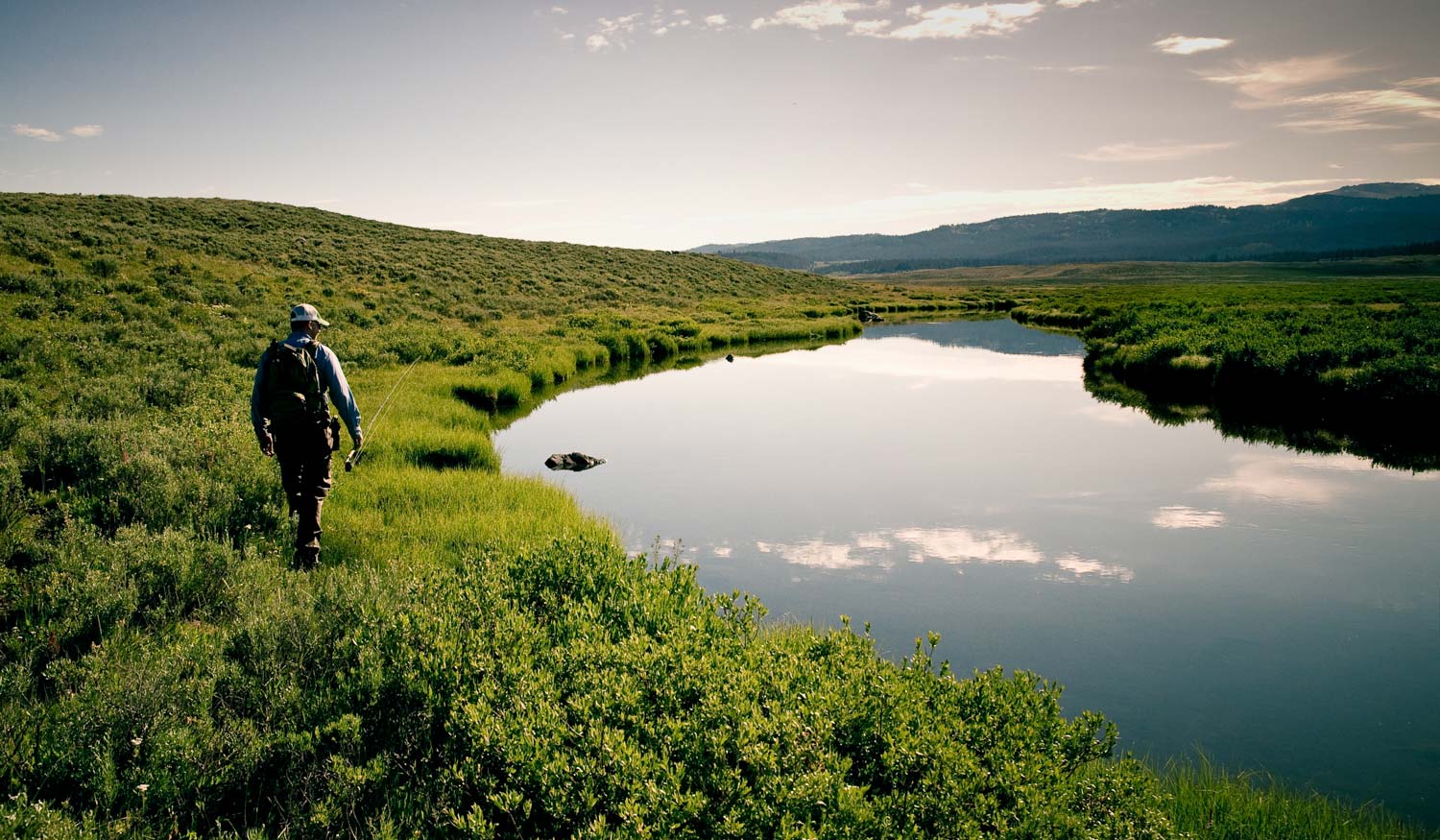
There are some big advantages to fly-fishing with a long leader, if you can turn it over.
Long leaders, up to eighteen feet in some cases, can be a huge help when targeting spooky trout or species like carp and bonefish. There’s a definite advantage to having some extra stealth, but only if you can turn that leader over. If you can’t, you loose the ability to deliver the fly accurately and with a clean presentation.
Most anglers struggle to turn over long leaders. Sometimes that’s a casting problem, but often it’s just an issue with the leader. Understanding how a leader works, and how to build one properly can really take your fly fishing to the next level, letting you catch fish you may have considered above your pay-grade.
Generally anglers will start off with a fairly standard nine foot leader, and lengthen it when they feel they need to. There’s nothing wrong with that, if you do it right. But if you know you are going to be using a long leader all day, I recommend you start from scratch and build a leader that’s right for the conditions. I change my leaders like I change my socks and I’ll take things like wind and light into consideration when I build them. I like having every advantage.
If you want to learn more about building custom leaders, read my article about Understanding Leaders.
Today, I’m going to talk about how to make an effective long leader starting with a standard leader, whether it’s one you tied or bought at the shop. I will suggest that you tie your own leaders. If you do it right, they will always perform better.
Most anglers will lengthen their leader by adding a long section of tippet. Unless you are doing some kind of technical nymphing, where you want thin tippet that cuts quickly through the water column and gets your flies deep in a hurry, lengthening your tippet is the worst possible way to add to your leader. It is the easiest method, and like most shortcuts, yields the worst results.
Read More »A Truck Vault Can Make Your Truck The Bat-Mobile of Fly Fishing

IT’S HUMAN NATURE, I SUPPOSE, TO ADMIRE IN OTHERS WHAT YOU LACK YOURSELF.
As I look at the chaotic pile of fly rods, reels and fly boxes in the corner of my office, I am not at all surprised that one of the things I admire most in others is organization.
Organization is a skill my good friend Michael White takes to a new level. Whitie is a sales rep for Simms which means he pretty much lives in his truck. What’s more, wherever that truck is headed, there is usually some great fishing. That was the case the other day when work, and fate, brought Whitie and me both to the Jackson Hole area. Fortunately, we both had the same day off and were able to get out on the water together.
Whitie’s truck is nothing short of the Bat-mobile of fly fishing. In addition to upgraded off road suspension and the best car audio system I’ve ever heard there is an intense gear organization system. In the back under a huge pile of Simms samples that any angler would kill for there is a weatherproof, fireproof, combination locked Truck Vault.
Pull out the two bed length drawers of the Truck Vault and there, perfectly organized, is every piece of fly fishing gear you could ever need. Rods organized by single and double hand. Reels by line weight. Flies by hatch. Waders, boots, packs, everything you need to fish anywhere there’s a road to get you there. It’s a thing of majestic beauty.
The gear never needs to go in the house. It lives there in the truck, ready for action 24/7. There’s even enough room
Read More »Keep Your Rod Tip Off the Water for Longer Drag-Free Drifts
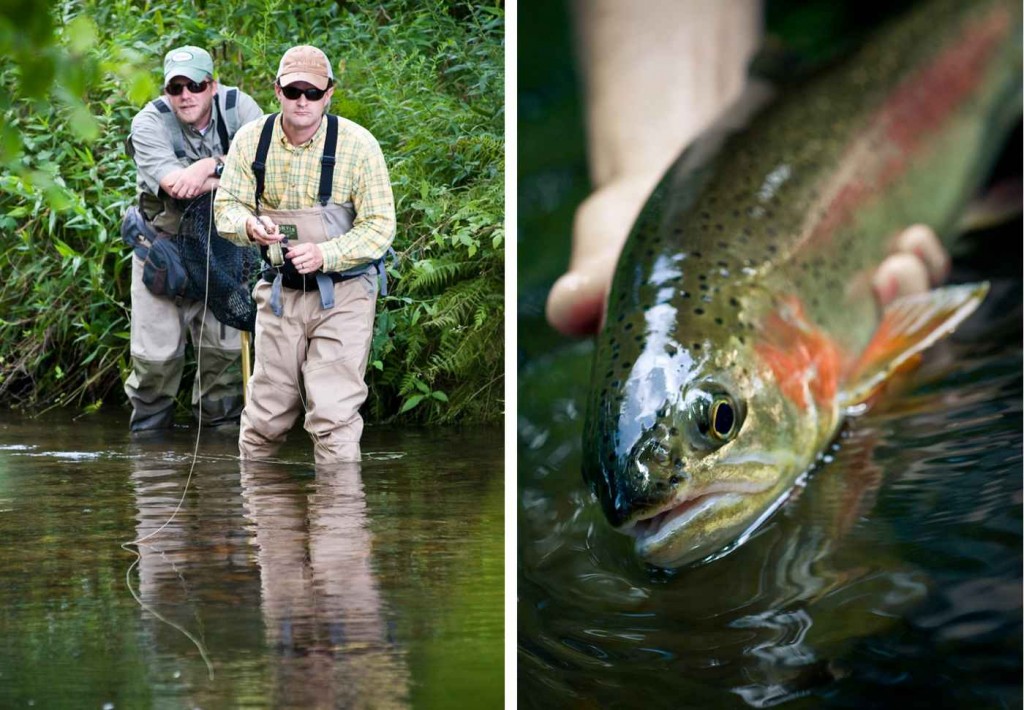
Are you finding yourself struggling to get long drag-free drifts on the water?
If the answer is yes, you may be holding your rod tip too close to the water during your drifts. When your rod tip is positioned too low, you’re putting unnecessary fly line on the water that you in turn have to manage in order to maintain a drag-free drift. As soon as this unwanted fly line hits the waters surface, it’s immediately subjected to the surrounding currents. Depending on how fast the current is at your feet, the less time it will take for it to be pulled downstream and begin effecting your drift. Eventually all the slack will be pulled out in your fly line and your drag-free drift will be compromised. There’s of course a happy medium though, on rod tip position. Too high, and anglers will find it difficult to effectively mend and set the hook. I generally tell my clients to keep their rod tip at least three feet off the water’s surface.
Here’s a simple drill to help you understand and visualize how improper rod tip position on the water can negatively effect and decrease the length of your drag-free drift. Lay out a nice 30+ foot cast on the water. Make sure you stop your rod tip high above the water (a good 4 feet). Watch your drift for a few seconds, and then
Read More »Spey Casting Diagnostics Checklist
By Jeff Hickman
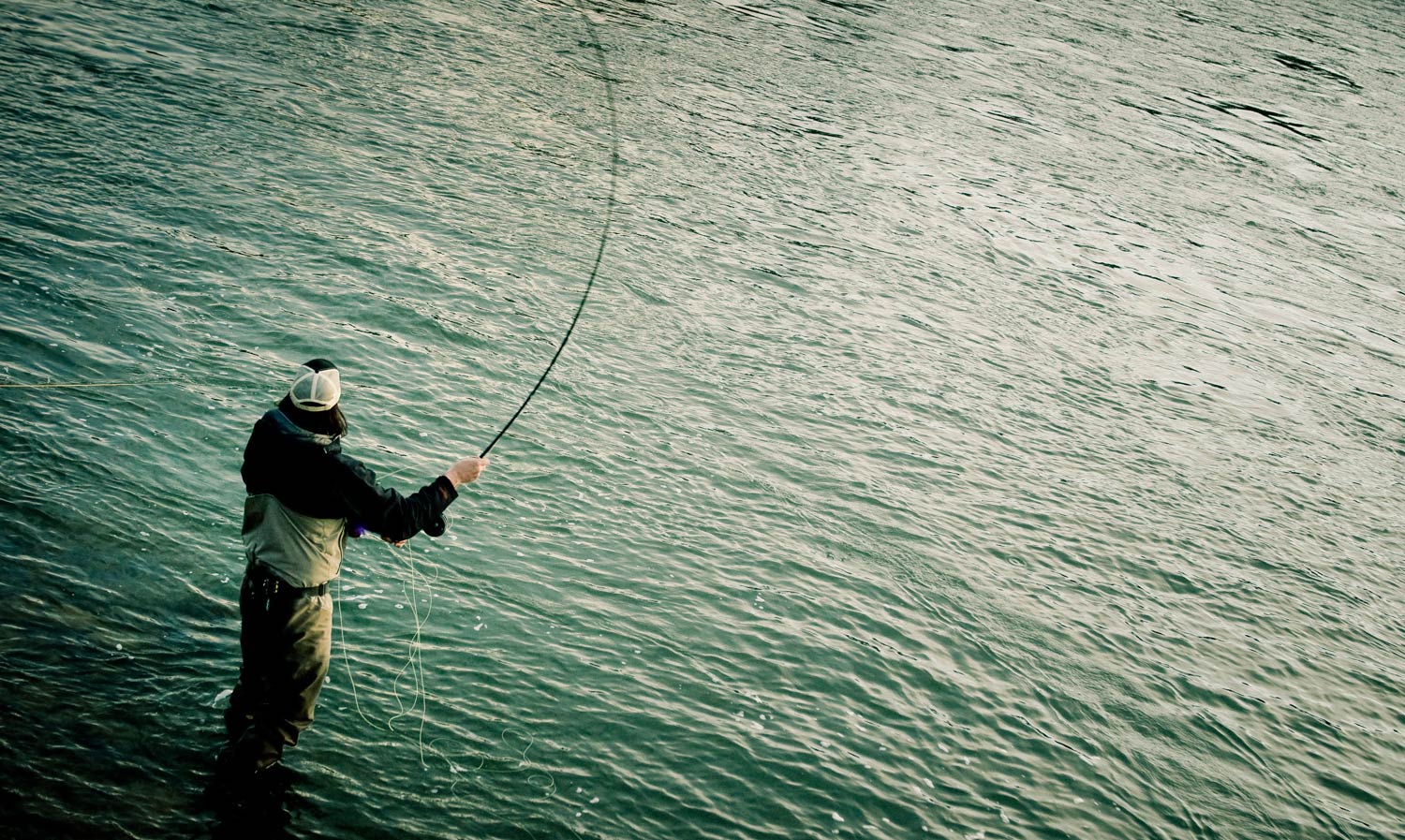
SPEY CASTING IS A PROCESS REQUIRING SEVERAL STEPS TO BE FULLY COMPLETED IN A SEQUENCE.
To effectively and consistently make good spey casts you need to focus on these steps, especially when learning. But even veteran and advanced two-handed casters also need to focus on the important steps. Everyone who has Spey fished has had a meltdown at some point where their cast completely falls apart. In my experience these meltdowns are triggered by one small element changing. That one element starts a chain reaction that wrecks the entire cast. The cause could be external such as a change in the wind direction or wading depth or the change could be internal — you got lazy on your anchor placement or started dipping your rod behind you.
Recently while presenting at the annual Sandy River Spey Clave in Oregon, I jokingly made a reference to a fictional Spey Casting Diagnostics Checklist that I printed on waterproof paper and kept in my wader pocket. I was simply trying to make people laugh as Spey casting presentations can be a bit on the dry side. After the presentation many people came up to me and asked if I could give them one of my checklists. Since I did not actually have one, I told them I could email a checklist over. But it occurred to me that this is something that people want, so here is my short checklist that you can print and bring with you to the river next time:
Read More »Bonefish Body Language
By Owen Plair
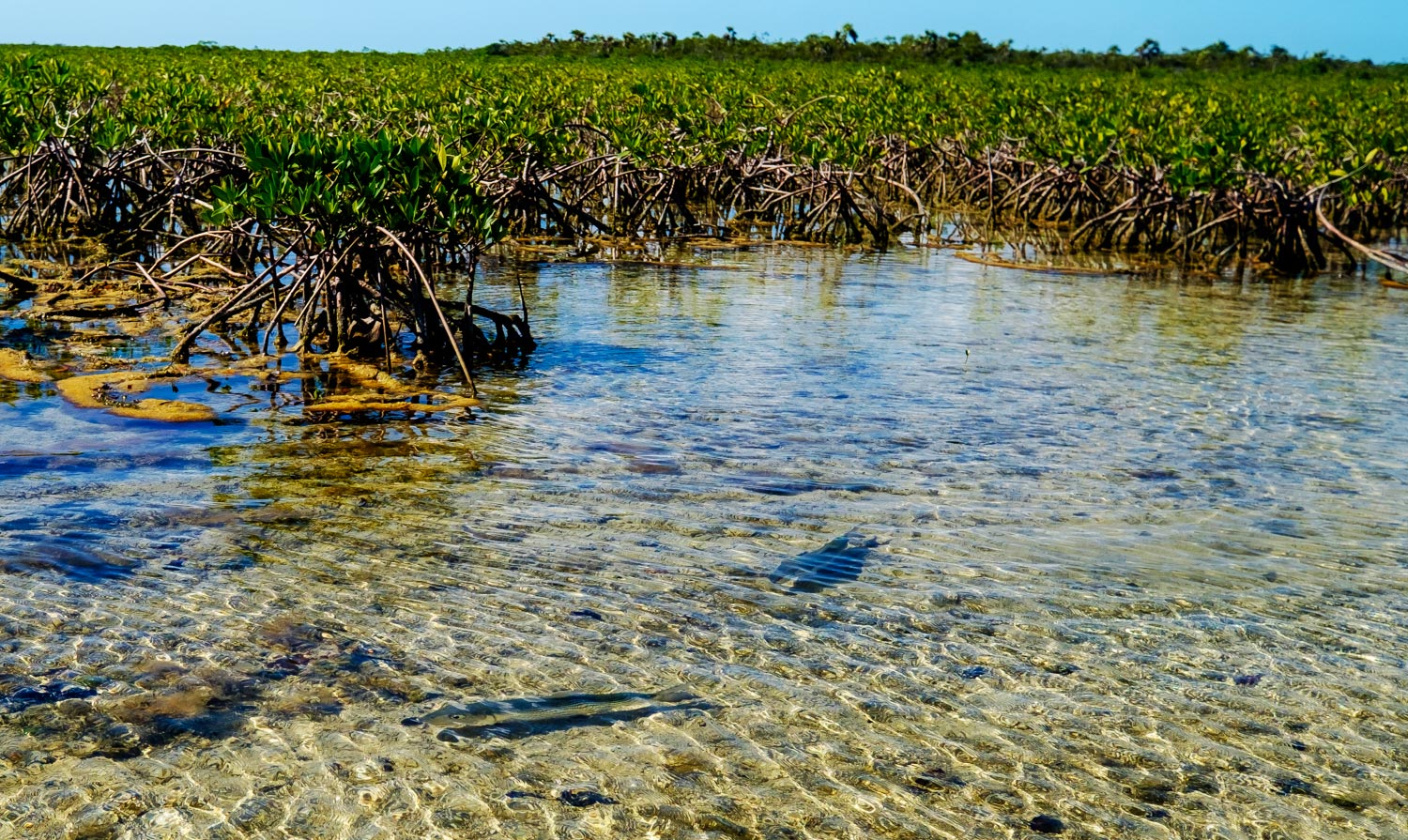
Being able to read the body language of any fish is by far one of the best ways to anticipate the bite, especially when it comes to feeding a bonefish.
Recently I had the opportunity to experience bonefishing on South Andros, Bahamas, and learned a lot during the week about how the body language of a bonefish can visually tell you what’s happening when you can’t see the bite.
From skating flies for Atlantic Salmon in Russia to targeting migrating Tarpon in Islamorada, and countless species in between, watching a fish open their mouth, and eat the fly was something I had always been accustomed to when sight fishing. I had never thought about sight fishing Bonefish and the fact that you can never really see that little white mouth open up and swallow the fly. There was only one fish during the entire week I could see open her mouth and swallow the fly because by chance it was 10ft off the bow on a cloudy day.
The first 4 or 5 fish of the trip I hooked simply by listening for the guide telling me, “Set mon, set!” It’s amazing how fast your brain and muscles work together when pulling the fly line tight to a bonefish’s bottom lip. Hooking those first few fish of the trip was amazing but the feeling I had, as an angler, not being able to anticipate the bite drove me absolutely nuts! I simply just couldn’t figure out what the guide was seeing that I wasn’t and I soon started to ask questions after every fish, learning through experience on the water with my guide.
One of the most important things I learned about reading a bonefish bite was looking for the sudden stop.
Most times in fishing when the fish stops behind your fly they’re stopping for a reason. Either they’re eating your fly or changing their mind and turning off. I found that with bonefish, it was that the best way to anticipate the bite. Every time a fish would stop I was ready for the long strip set. The bite was still invisible to me but I learned the “stop” which helped me anticipate the fish eating and prepare myself for the set. It also took some time to get used to stopping the fly for the fish to eat. Most other species I’ve targeted always like a constant moving fly.
Another key body language
Read More »