
Garner’s White Trash Bass Fly
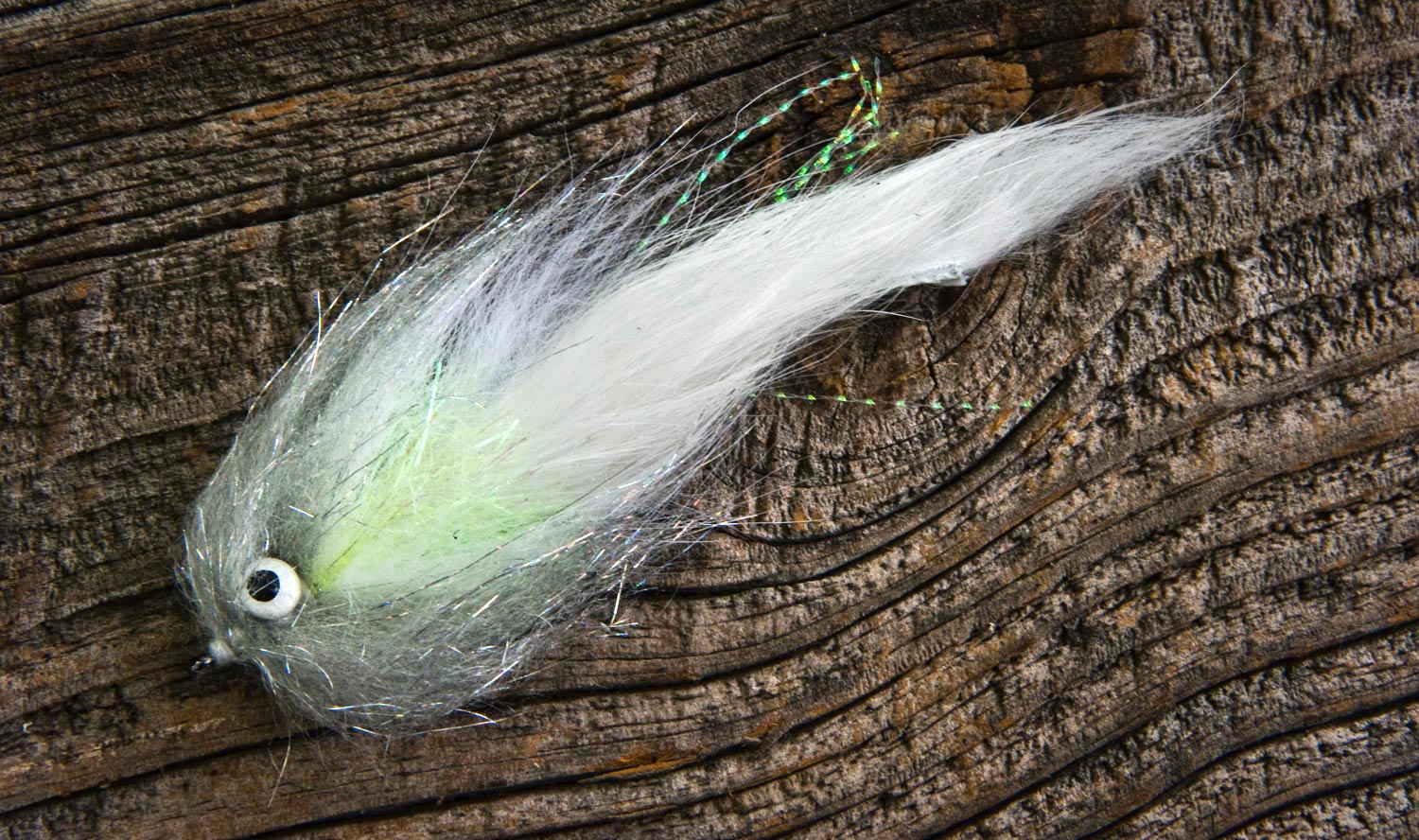
WANT TO CATCH BIG BASS?
How about really big bass? Striper fishing rivers in the south during the summer can be off the hook but it can also be challenging. Those big bruisers can get pretty damned selective and you a pattern that will get them moving.
Nobody knows this game better than Garner Reed. Today Garner is going to share a pattern he developed for catching big striped bass and spotted bass on the Etowah River. He calls it Garners White Trash and it gets the job done.
Watch the video and learn to tie this great bass fly.
Read More »3 Tips For Better Bonefishing
CHANGE THE RETRIEVE BEFORE THE FLY
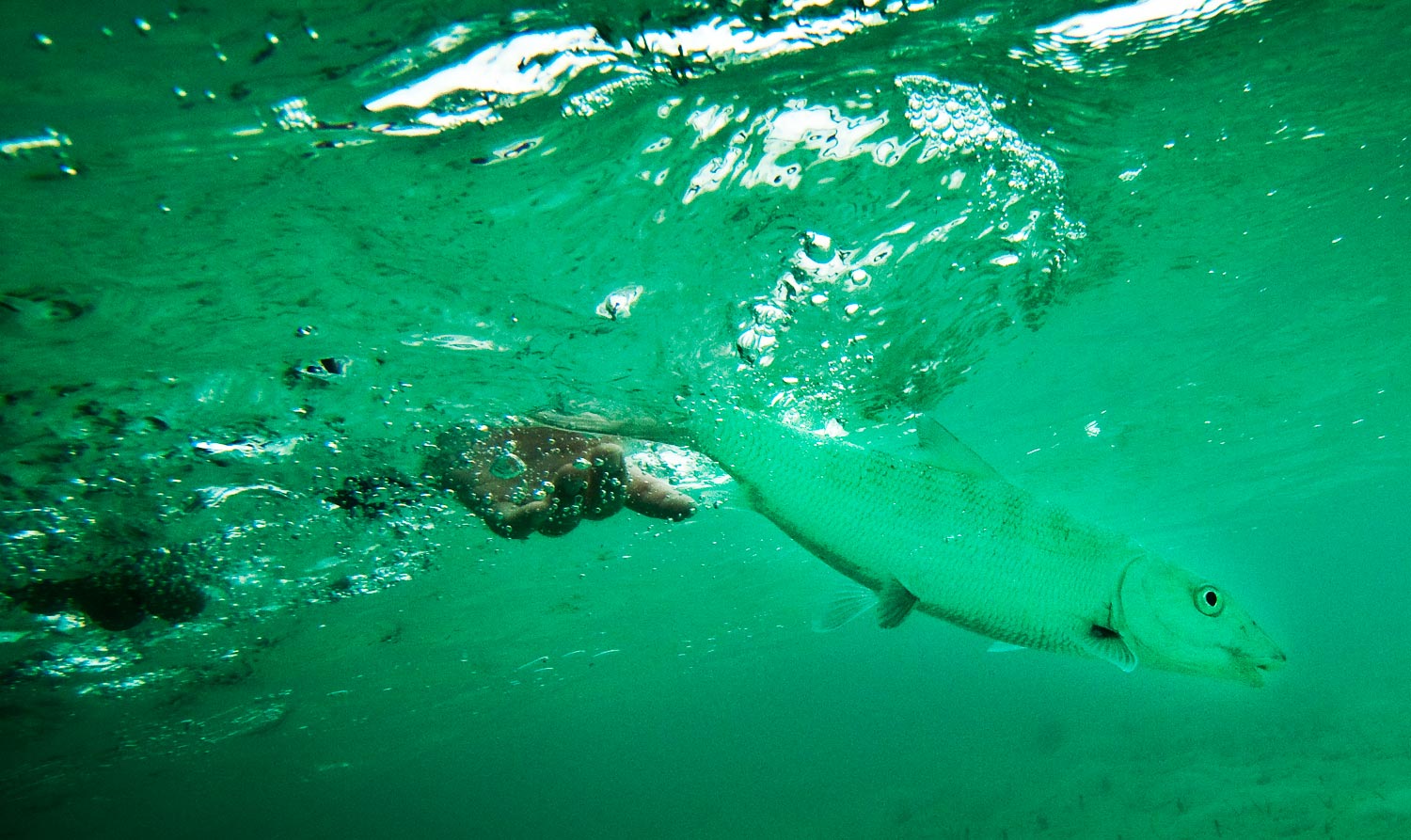
If the bonefish are following your fly but not eating it, the fly may not be the problem. As fly fishermen, we always want to blame our fly. I think this comes from trout fishing and the idea of matching the hatch but often, whether fishing in fresh water or salt, the problem is the presentation and not the fly.
When you cast your fly to a bonefish and he keys on it and follows the fly for a good ways, then turns off, generally it’s the retrieve he doesn’t like. Often changing it up will solicit the bite. If you’re stripping slow, speed up. If you’re stripping long, go short. Most often I find that a series of short fast strips followed by a pause does the trick. The beauty is that you can make this change immediately and catch the fish at hand.
Read More »12 Tips for Taking Awesome Fishing Photos
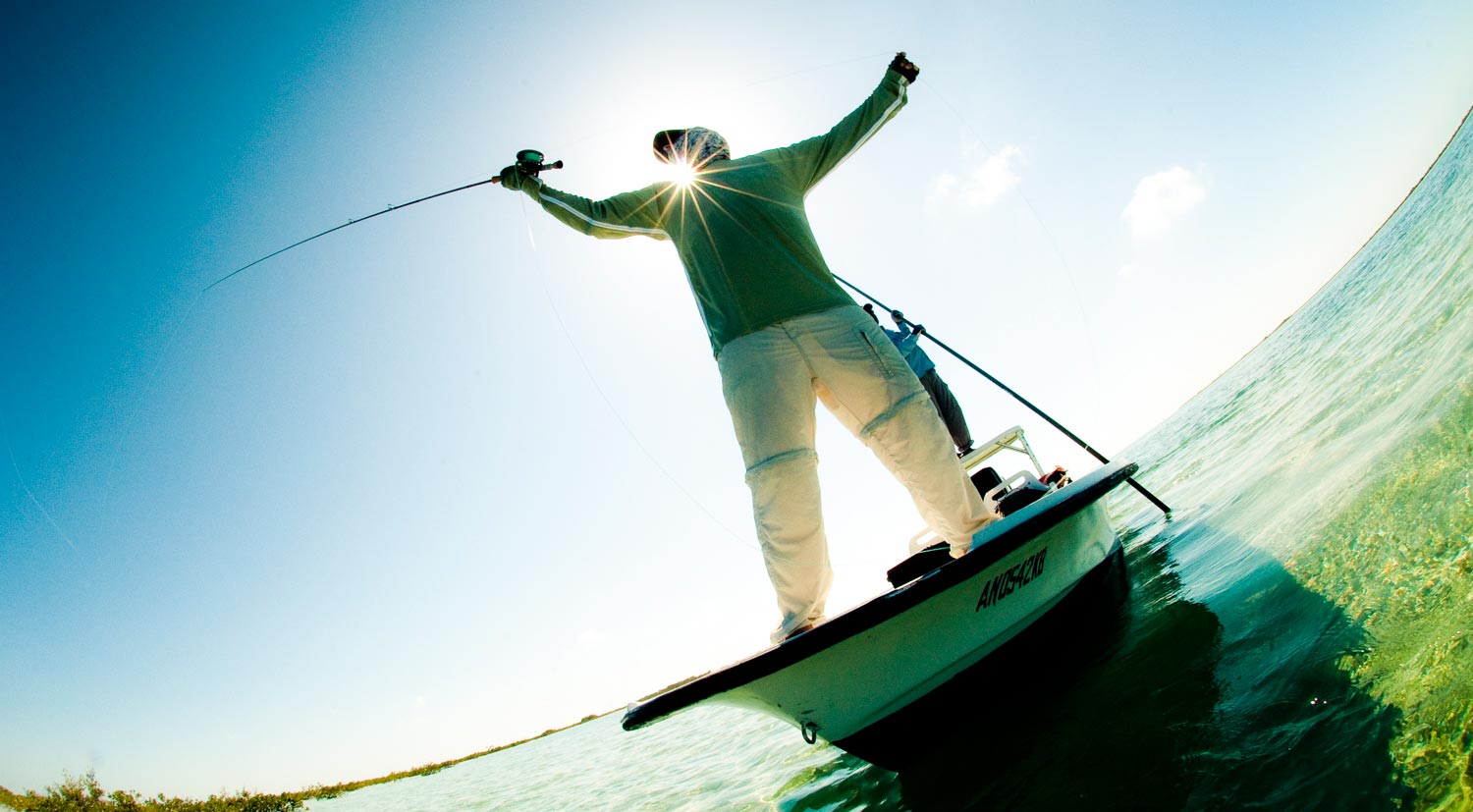
WANT TO TAKE BETTER FLY FISHING PHOTOS?
Just the other day one our Facebook followers asked if I would post some tips for taking better fishing photos. I’ve written a good bit on the subject, but the articles are scattered across the site. I thought this would be a great opportunity to put together one source for some of my best photography tips and tricks.
So here it is, 12 tips that will make your fishing photos rock!
Holding Fish For Photos
The first step in getting a great shot of a fish is knowing how to hold it properly. I am constantly amazed how many anglers don’t know how to hold a fish for a photo, but to be fair, Kent and I have had a lot of practice and we have it down to a science. Here’s an article from each of us on the subject.
Hold That Fish
4 Tips For Getting A Better Picture Of Your Trophy
What if you’re fishing alone when you catch the fish of a lifetime?
No problem. Here’s an article that will give you plenty of options for getting a great shot.
Getting The Hero Shot When You’re Fishing Solo
Great photos start the basics.
Read More »2 Ways to Determine the Sex of a Trout
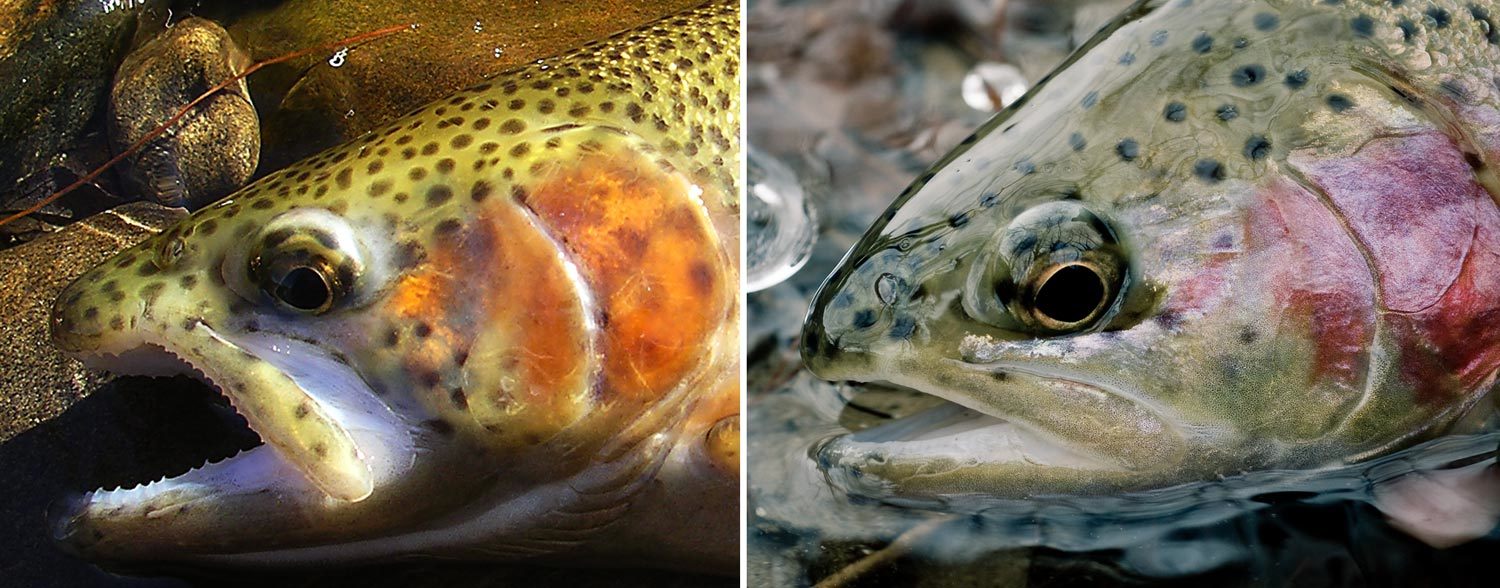
Here are two ways to determine the sex of a trout.
Over the years, I’ve found that the majority of my clients have a hard time determining whether a trout they catch is a male or female. Below are two ways to quickly identify the sex of a trout.
1. LOOK AT THE MOUTH
One of best ways to distinguish the sex of a trout is to examine the mouth. Female trout all have a short rounded nose or upper jaw, while male trout have a more elongated snout. If your trout has a lower jaw with a kype, it’s a male for sure. Although the mouth of a female trout will grow larger as it ages and increases in size, the mouth will never grow a kype (hooked lower jaw). Upon becoming sexually mature, male trout will begin to grow a pronounced kype. At first, it will just be a tell-tale sign, but as a male trout ages, its kype will become more pronounced. It’s important to point out that even for trout that aren’t sexually mature, an angler can look at the mouth of a trout and see either a uniform mouth with a short rounded nose (female), or a elongated snout with a slightly longer lower jaw (male).
2. LOOK AT THE ANAL FIN
Read More »Limay River Video
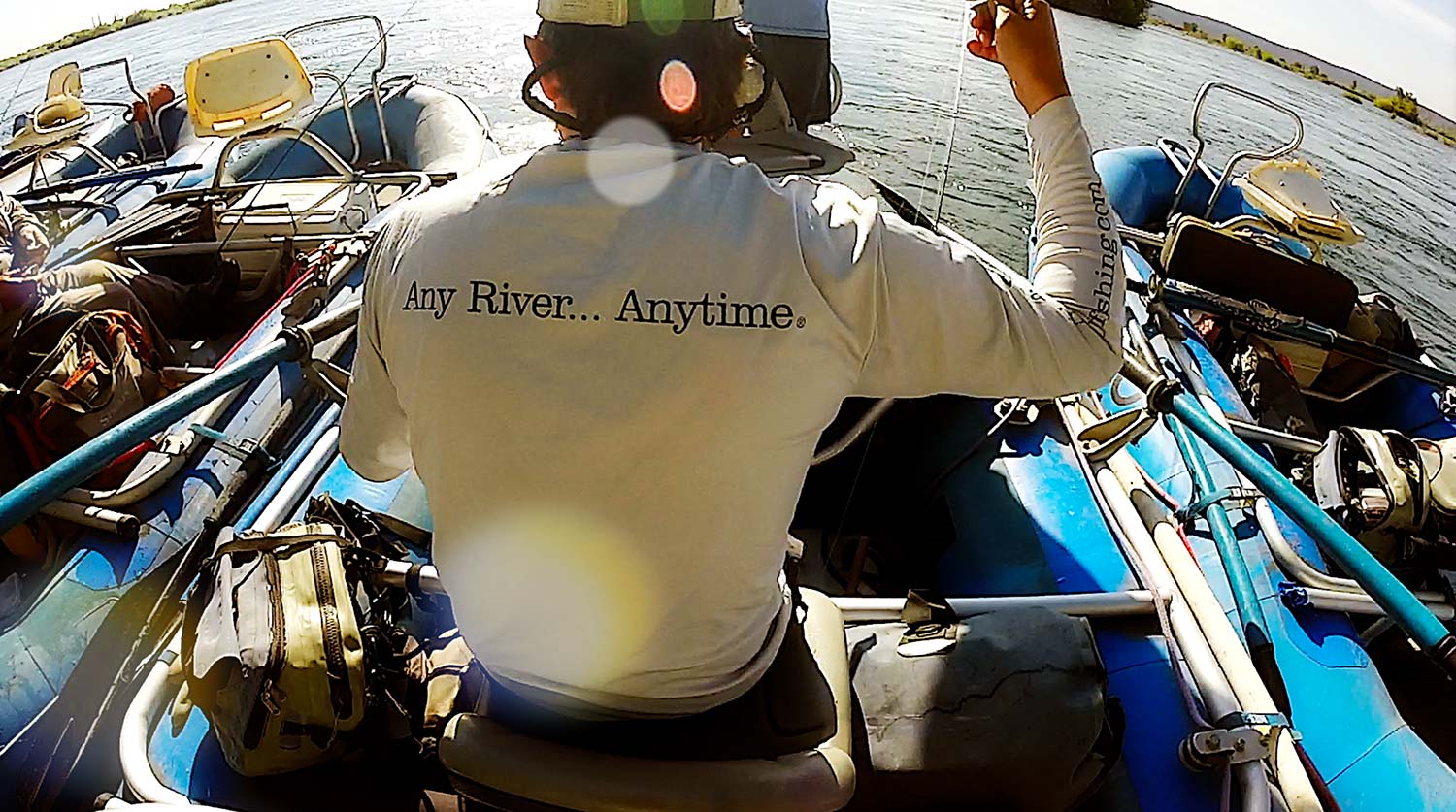
By Louis Cahill
I don’t know of a more magical river than the Limay in Argentine Patagonia.
It’s a big river, full of big trout, and almost no one there. It’s a rare day when we see a boat that’s not part of our group. Llamas graze the banks and the air is sweet and clear. Gravel shoals pour off into deep drop-offs where twenty pound browns lurk. Some days she’s mild as a lamb, sippers feeding lazily in their lanes. Others she’s surly, big dark forms slashing violently at streamers.
It’s hard to beat sipping whisky around a camp fire and sleeping under the southern stars. Telling stories of the fish who ate, and the ones who did not. There is a place in my heart only Argentina can fill.
HERE’S A SHORT VIDEO TO GIVE YOU A TASTE OF THE LIMAY.
Read More »Bruce Chard’s A.M. Express, A Great Fly For Baby Tarpon
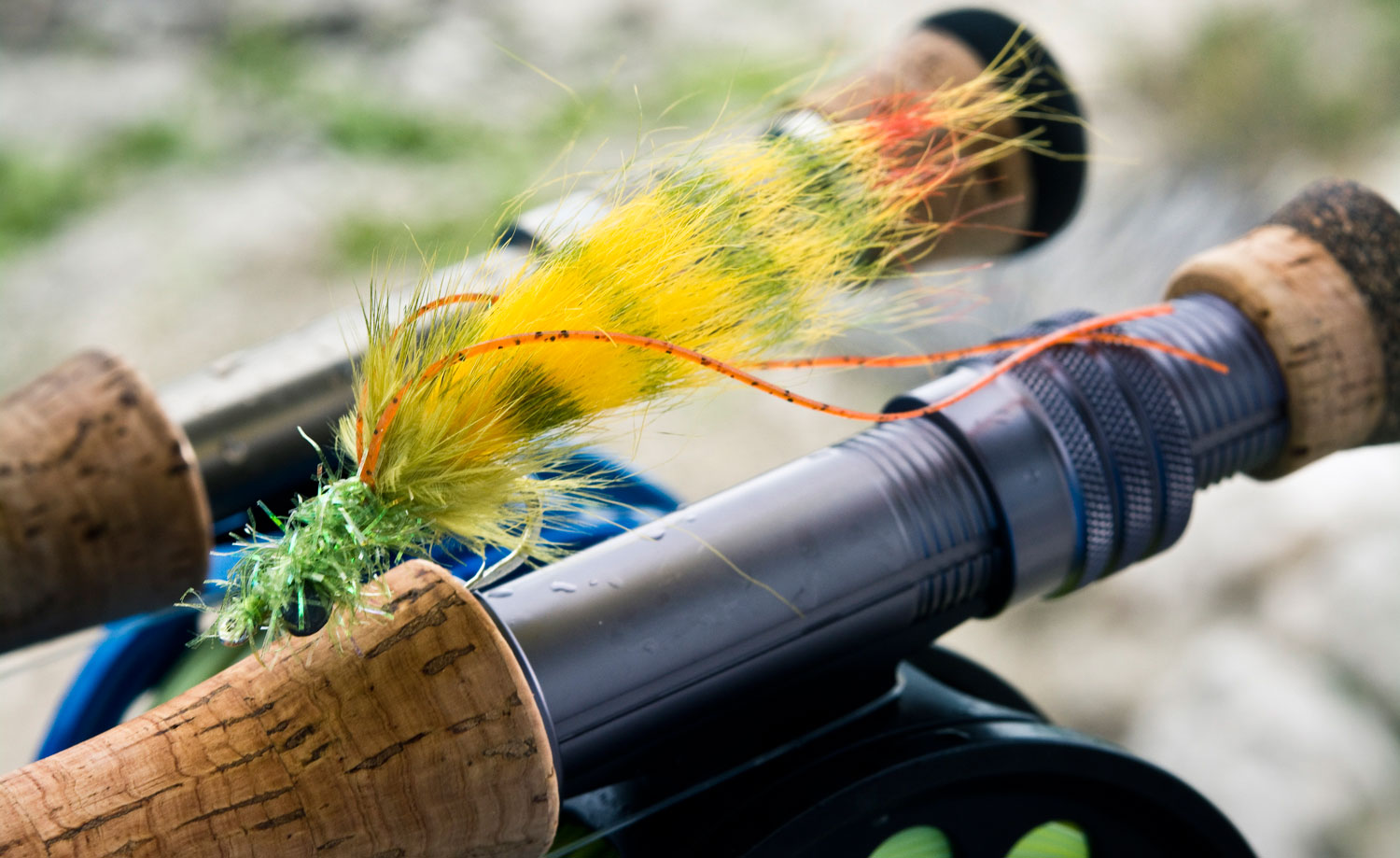
CATCHING BABY TARPON IS ABOUT AS FUN AS THE LAW ALLOWS.
Even a baby tarpon is a hell of a fish. These little guys are all fight and haven’t learned all the tricks of the grown ups. A thirty pound tarpon offers all the excitement of a hundred pounder with a good bit less humility.
On calm mornings you’ll find them cruising the edges of islands or nosing around rafts of floating grass or rolling in the glass calm water. If your going to catch them you’ll need the right fly. Our buddy Captain Bruce Chard is here to help.
Watch the video and learn to tie Bruce’s A.M. Express.
Read More »A Guide To Fly Rod Guides
By Louis Cahill
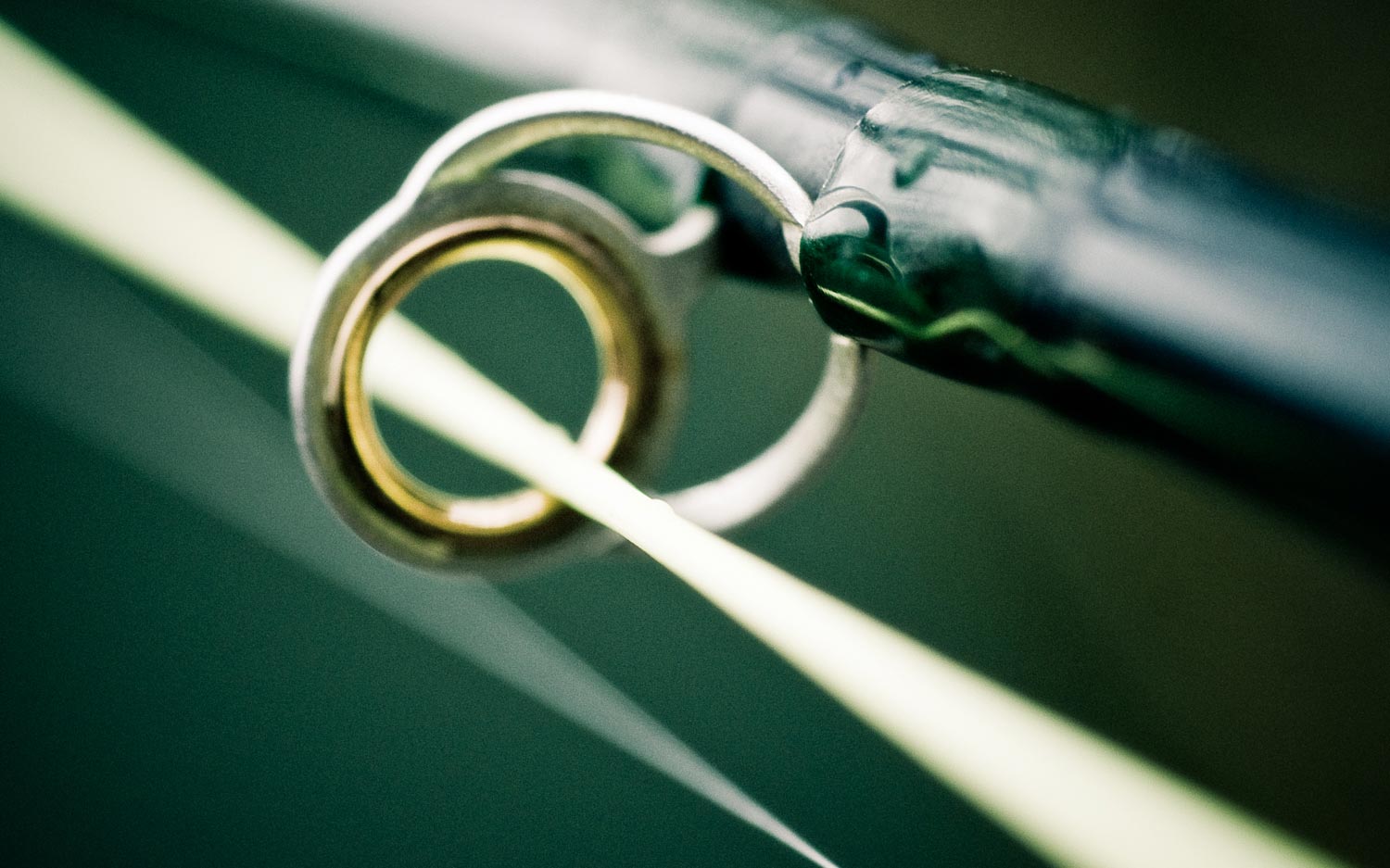
The guides on your fly rod have a lot to do with how it performs.
I was building bamboo fly rods and making my own guides when I first became aware of the many guide options and their effect on fly rod performance. Up to that point I think I took rod guides for granted, as I think many anglers do. Rod designers spend a good bit of time on guides and their placement and while you can cast a rod and catch fish with just about any guides, they have a real impact on how the rod performs.
Guides serve two basic functions. They transition the fly line from its unorganized state into a controlled state during the cast. The guides also serve to distribute the force applied to the line along the blank, during both the cast and the fighting of fish. All fly rods, with the notable exception of tenkara rods, have three types of guides. Each of these guides is designed for a specific purpose and the parameters of that design effect how the rod performs.
Three types of guides
Stripping guides are the large guides found closest to the reel. They are usually constructed with a large ring, often having some type of insert, soldered into a sturdy base. These guides are designed to handle the energy of the stiff butt section of the fly rod. Saltwater rods usually have two stripping guides to match their powerful blanks and deliver maximum pressure during the fight. The inserts found in stripping guides are designed to reduce friction, as the line is often coming across these guides at an acute angle. They are most often a polished ceramic but materials vary, including agate and colored glass in some high end rods. It’s never a good idea to hook your fly in these inserts and it can cause them to crack, reducing their performance and damaging your fly line.
Snake guides are, most often, the twisted wire guides that are most numerous on your fly rod. These simple but effective guides are designed to distribute force along the rod blank without adding a lot of weight or catching line. They are generally made of stainless steel or titanium. Some rods have single foot guides rather than traditional twisted guides. These guides are lighter weight and produce a faster action in an ultra-light carbon fiber rod. It’s not much weight, but with today’s carbon fiber, there is a difference. The down side to these guides is that they are not as sturdy and can catch loops of line. It’s unlikely that this will happen during casting but can happen in the excitement following a hook up. If you are producing loops inside your guides while casting, you have bigger problems. See a casting instructor.
Tip-tops are the guides fitted to the tip of the rod. It’s easy to take these little guides for granted but they are especially important. They add weight and transfer force at the most delicate part of the rod. This means that if there is a problem with the tip-top, it’s very unforgiving.
Guide size
The most influential aspect of guides, at least on casting performance, is their size. A larger guide will
Read More »Don’t Ride the Brakes During Your Fly Casting
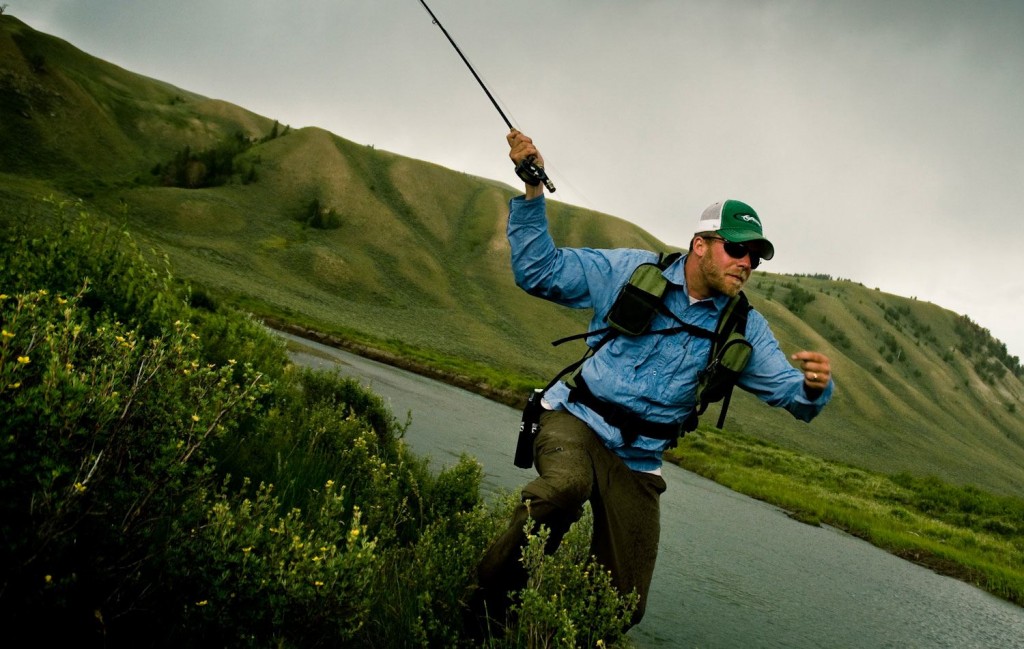
Are you finding that you’re lacking distance and falling short of your target with your fly casting?
Is your power and line speed insufficient? If the answer is yes, I bet you’re also getting a fair amount of tailing loops or dreaded wind knots aren’t you? Come on, be honest. There’s absolutely nothing to be ashamed of if you’re periodically falling into this category with your fly casting. Believe me when I say, you’re not at all alone. I see it regularly on the water guiding, and most of the time anglers struggling with these problems usually are only doing one thing wrong with their fly casting. Nine times out of ten, in this scenario, anglers are decelerating their fly rod during their forward cast, back cast, or even both, in some cases. What you need to be doing to fix this problem is smoothly accelerating your fly rod during your casting stroke, making sure you’re stopping the rod at it’s fastest point. This will allow your fly rod to distribute the energy loaded during your cast efficiently, and you’ll have plenty of power (line speed) to reach your targets.
DECELERATION DURING YOUR CASTING STROKE: SHORT STORY & CASE STUDY
This past fall I was fishing big attractor dry flies with a client of mine. There were plenty of big fish willing to rise to our offerings, but to get them to eat, we had to stay far back and make long casts to them. Otherwise they’d spot us and spook. My client, a capable fly fisherman with strengths in short presentations and roll casts, developed a weakness for distance, when a head wind picked up. No matter how hard he tried, he couldn’t get the distance needed to present his dry fly ahead of the fish. Several minutes we worked a prime piece of water that I knew had some eager fish looking up, but we got no takes. My client turned to me and said, “They must not like this fly pattern”. I replied, “You may be right man”, and I handed him the nymph rig and pointed upstream to our next fishing spot. But what I really wanting to say is, “No, the fly pattern is good, you’re just not getting the fly anywhere close to your target”.
There are times when the best thing you can do
Read More »Switch Vs Spey Rods
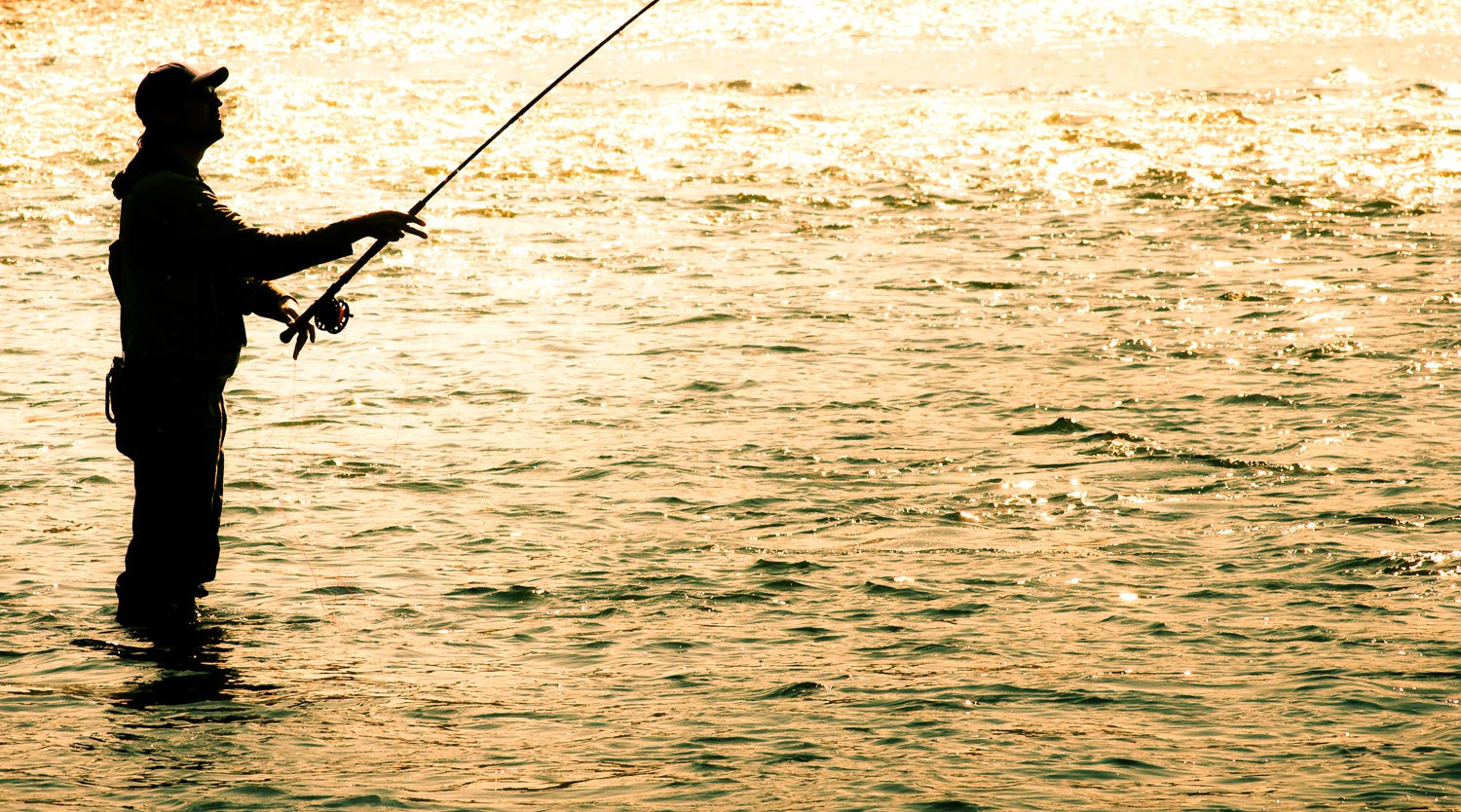
Are you curious about what the terms switch and spey mean in fly-fishing? Here are some answers.
I recently shared an older article about choosing a line for your switch rod as a Sunday Classic. The comments section lit up pretty quickly about the terms switch and spey. I thought it might be a good time to try and give a little perspective on the terms, what they mean and where they come from. Whether you are a single-hand or two-hand caster, you’ll find this interesting.
What is a spey rod?
Spey rods were developed in Scotland for fishing Atlantic salmon. They are long rods, 12 feet six inches or longer, with upper and lower grips, intended for casting with two hands. These rods were born of necessity. Salmon anglers needed to make long casts with little or no room for backcasting. They also needed to manage long lines as they swung their flies.
The answer was a long limber rod, which could be loaded and cast without a backcast. Of course, to do this, a style of casting had to be developed to accommodate both the rods and the rivers. This style of casting became known as spey casting, for the Spey River where it was born. These long rods were heavy and awkward to manage, so it was necessary for anglers to use two hands to cast them. It is important to note that spey casting and spey rods are two ideas, separate but associated. You can make any spey casts with a single-hand rod. You can also make overhead casts with a spey rod, although there are some good reasons not to make a habit of it.
To further complicate the matter, anglers in the US and Canada started using a radically different line configuration on their spey rods. Called skagit heads, for the river where they were developed, these aggressive shooting heads and their heavy, interchangeable sinking tips revolutionized steelhead fishing. Along with those lines came a new style of casting created to lift those heavy systems. Although some folks call these skagit casts, they are more often lumped into the family of spey casts. It’s also worth noting that you can, and some anglers do, fish these shooting heads on single-hand rods, even if it means significant physical pain at the end of the day.
What is a switch rod?
Switch rods were born around the 1970s and took a while to catch on. A switch rod is quite simply a two-hand rod, which is shorter than 12 feet six inches. The idea was, and is, that an angler could cast these rods with one hand or two, depending on the situation and their objectives.
Making A Rattan Fly Rod Grip, Part 2: Video
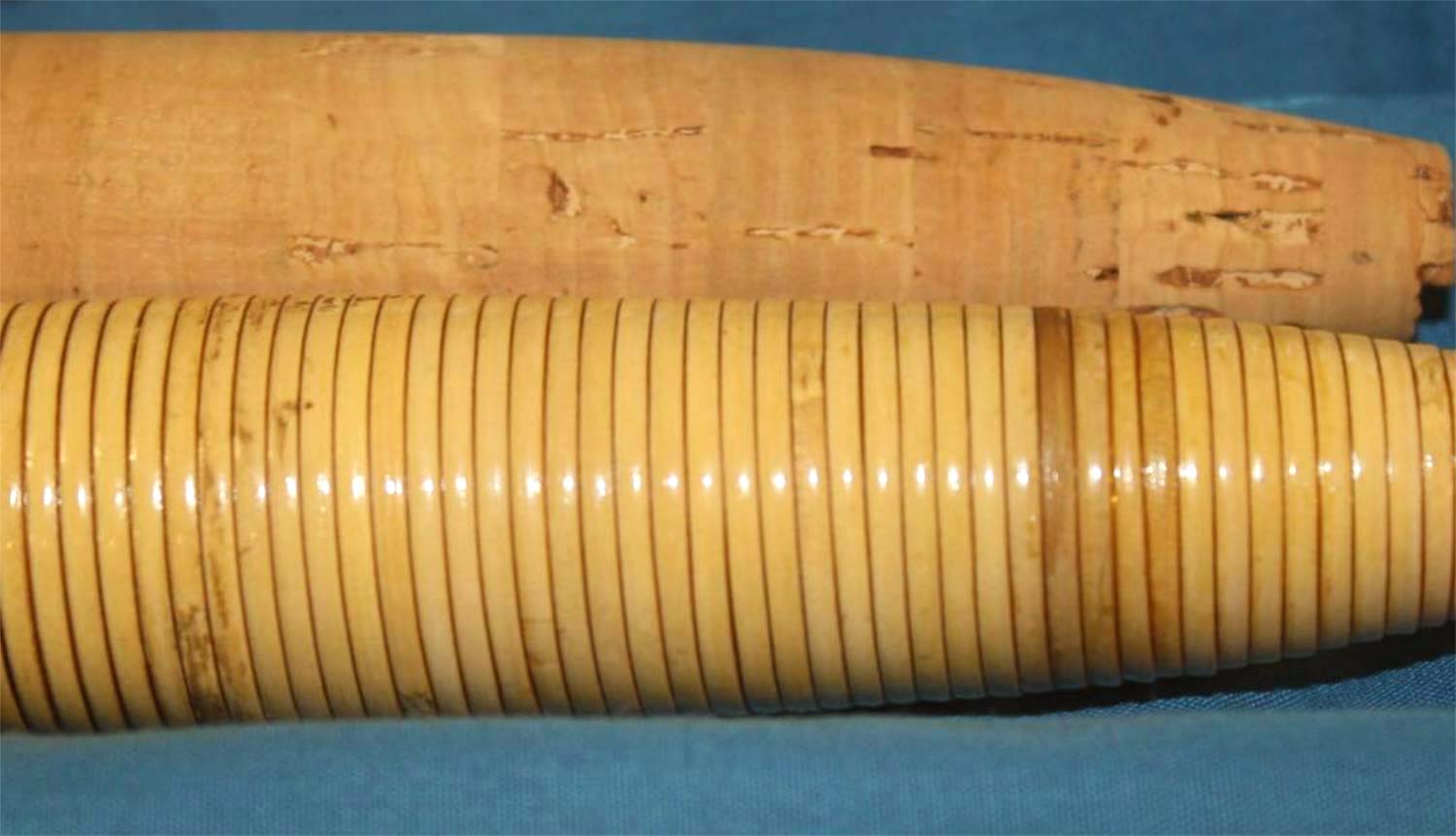
Here’s a second great video on making a rattan grip for your fly rod.
Hopefully your rattan grip project is coming along. In this video Matt Draft, of Proof Fly Fishing, will show you how to put the finishing touches on your rattan grip that really make it sing. This is a great project that anyone can tackle.
If you haven’t seen part 1, find it here.
Get your rattan grip kit here.
WATCH THE VIDEO AND LEARN TO MAKE A RATTAN FLY ROD GRIP.
Read More »