
Sunday Classic / Fly Fishing Q&A – What Would Kent Do
We recently experimented with asking our G&G Facebook fans to provide us with fly fishing topics/questions they would like us to answer and get more information on.
Louis coined the concept WWKD (What Would Kent Do) and it’s been very successful thanks to all of your participation. I picked out three inquiries from the participants and have provided my answers. Let us know how you like this Q&A platform and we’ll continue to use it in the effort to provide you with the content you desire.
Lance Lynch asks:
“You drive a hundred miles to a pristine river. You are so excited to get out and fish but you snap the tip off your rod. No spare rods, a full day ahead of you. WWKD?”
This is a great question because many of us have found ourselves in this situation before. You know how I always talk about carrying extra gear? This is why folks. Stuff like this happens all the time to us. It’s very easy to snap the tip off your rod getting it in or out of your vehicle, or even drop your fly reel on the ground and bend the spool. If you’re a serious fly fisherman, you should always take the time to pack extra gear, especially if you’re going to be traveling long distances to fish. Consider purchasing a inexpensive rod-tip repair kit and keep it in your vehicle and if you have a back up fly rod, pack it as well.
Fuji Rod-Tip Repair Kit
To answer your question, this is what I would do if I didn’t have a rod tip repair kit or a back up fly rod with me. It’s a quick fix, just carefully snip off the broken section as close as possible to your next rod guide with a pair of nippers or pliers. Keep in mind the fly rod won’t cast as nice, and it will catch the fly line some, but you’ll still be able to cast it well enough to make satisfactory presentations and land fish.
Kim Brock asks:
“What is the most important advice that you would give to a new trout angler. WWKD?”
This is a pretty broad question but here are seven tips I stress most with my novice clients.
One, take the time to learn the fundamentals of fly casting so you can learn proper technique. Always watch your backcast when your practicing fly casting and fishing on the water. It will shorten your learning curve, help keep you out of the trees and minimize tangles on the water. You’ll also improve your skill level much quicker overtime by doing this. If you don’t fish all that often, it can be very beneficial for you to practice fly casting a couple of times for 10-15 minutes in the yard before you head out on your fishing trip. Doing so, you’ll feel more comfortable and confident in your fly casting and you’ll have worked out many of your casting flaws.
Two, when you’re trout fishing don’t
Read More »Saturday Shoutout / Water Is Life
Are you ready for some heart pounding action on a fly rod?
This new film from Castaway Films delivers from around the globe.
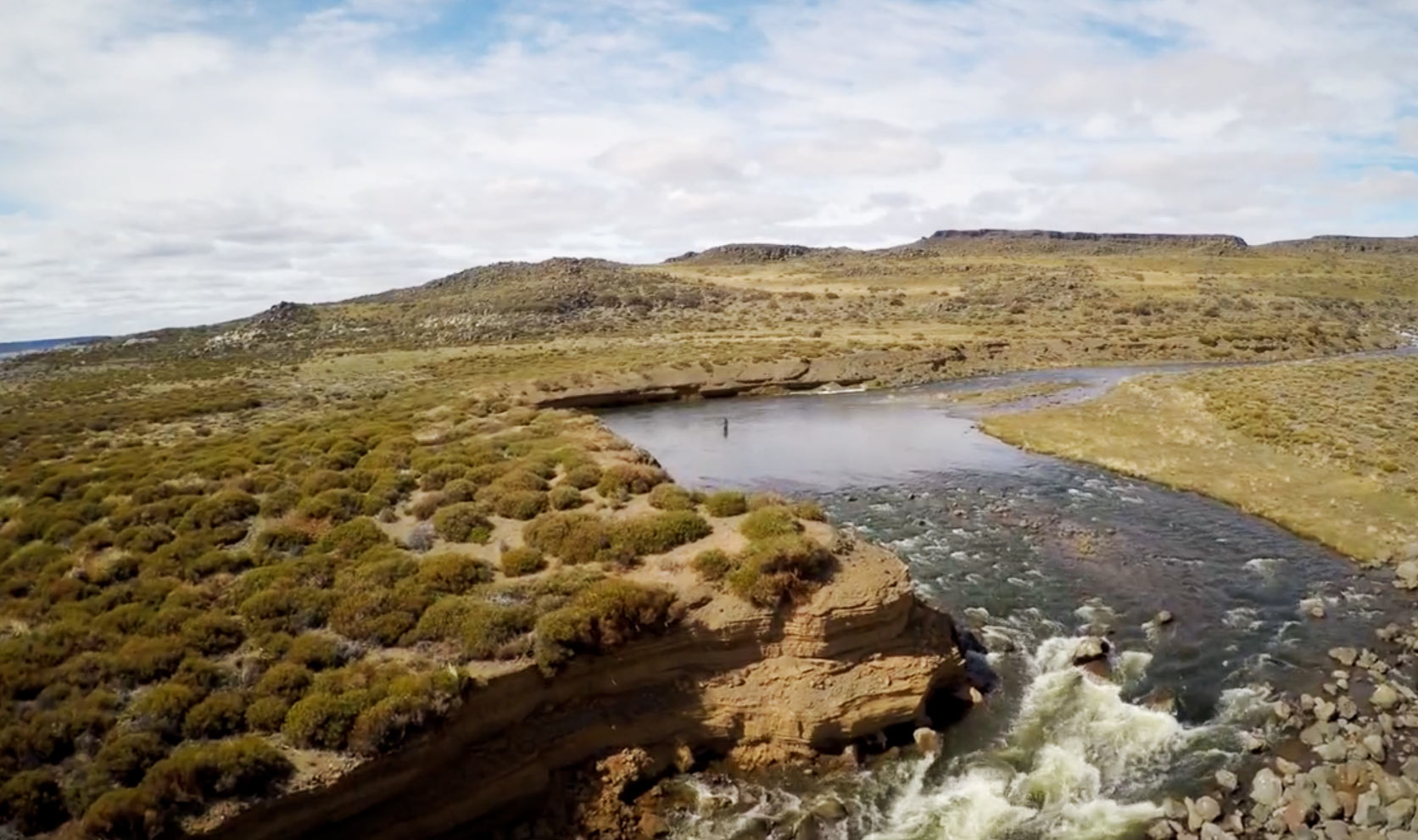
“From Argentina’s Jurassic Lake and 30dz rainbows that will readily eat a dry fly to the bull-headed GTs of the Seychelles and the carnivorous tiger fish of the Zambezi, this film contains some of the most remarkable fishing ever caught on film.”
You can see “Water Is Life” at the years F3t. Ride dates nerve you HERE.
“WATER IS LIFE”
Read More »Cool New Rods And Reels From Orvis
Orvis has really stepped up their game the last few years.
This year Orvis is introducing some cool specialty rods including new fiberglass and super cool 7’11” Recon. The 7/11 is amazingly powerful and capable of easily making laser tight loops, due to its shorter length. This is a great rod for bass anglers and snook fishermen. I’ll be testing it out on golden dorado in Argentina.
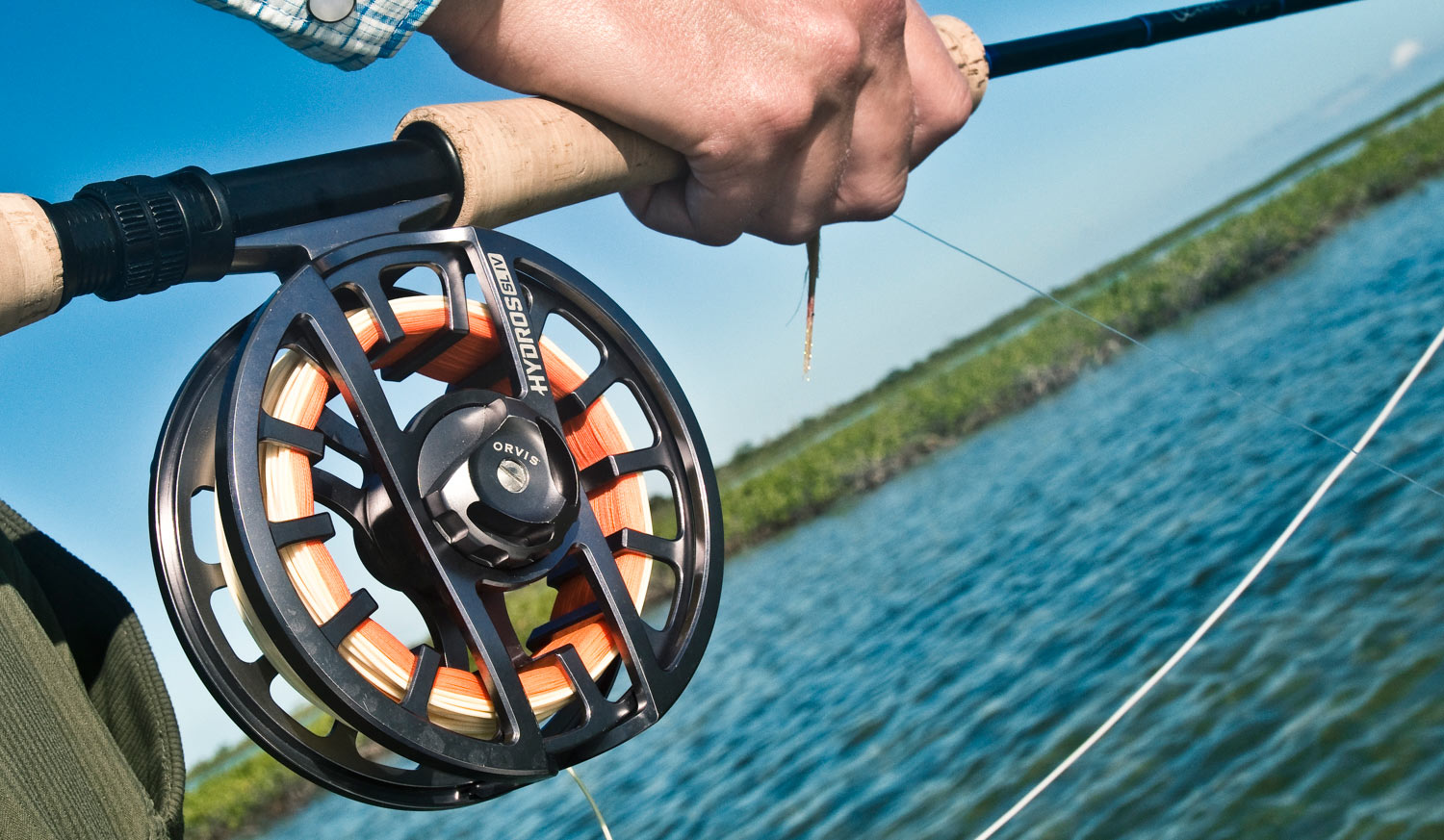
There’s also a new Hydros reel. This great looking reel is more than a cosmetic make-over of the old Hydros. It features tighter tolerances and a better drag system as well as a stronger outer rim and lighter frame.
CHECK OUT THIS VIDEO FOR ALL THE DETAILS ON NEW FLY RODS AND REELS FROM ORVIS.
Read More »6 Proven Winter Dry Fly Patterns
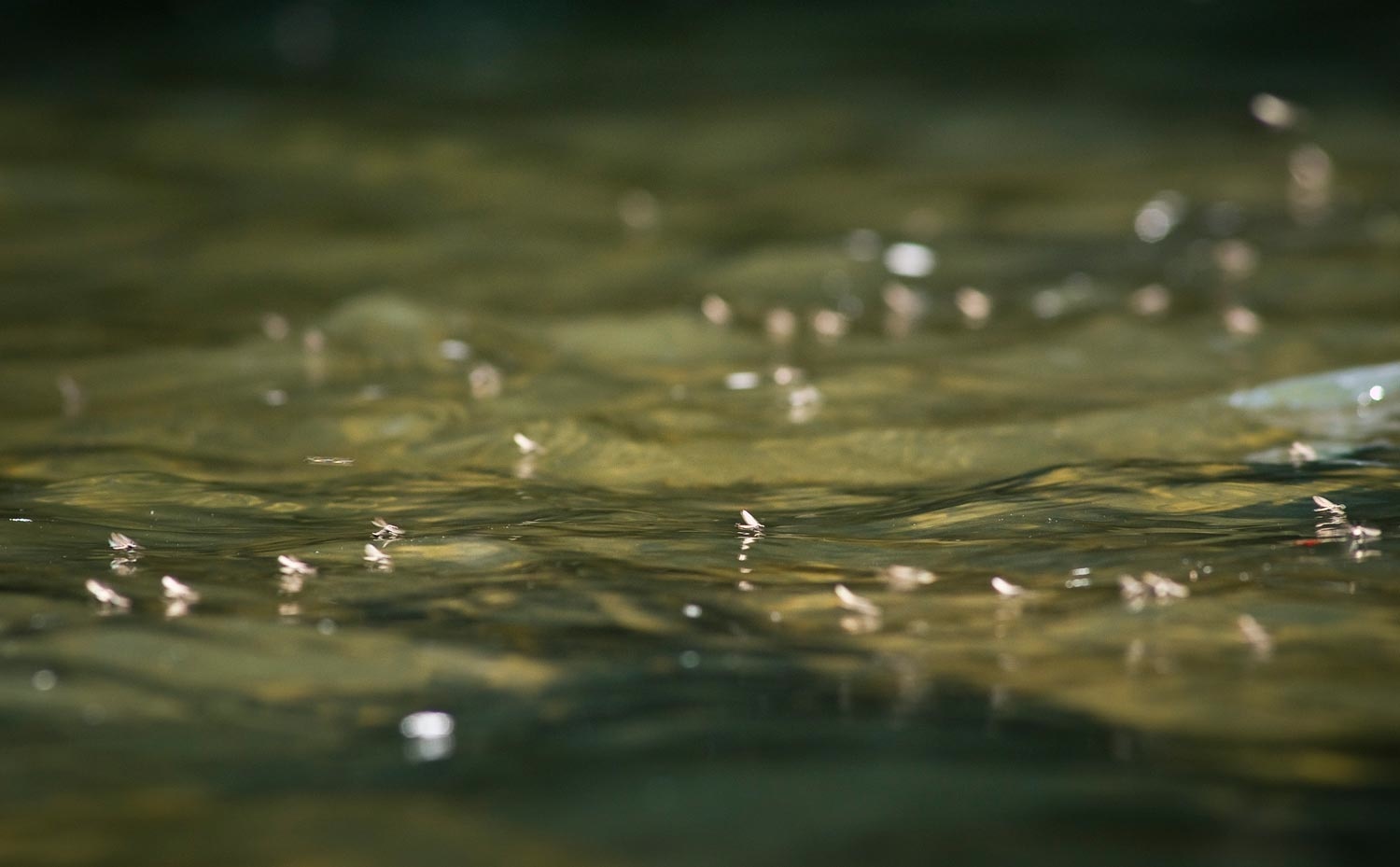
Nothing allows me to forget about the cold temperatures of winter quicker, than spotting the surface rings from trout feeding on Midges or Blue Winged Olives. It’s not an everyday occurrence by any means, but when it happens, it feels like someone turns the heat up a few notches, and I’m instantly warmed head to toe. When we think about hitting trout water during the winter months, most of us don’t typically think about fishing dry flies. It’s true that day in and day out, most anglers will find their nymphs and streamers to be much more productive, but every once in a while, when luck is on our side, we can find ourselves smack dab in the middle of a winter hatch, with trout rising all around us. It’s during these special two hour windows of trout fishing, that the winter can provide us some of the most rewarding catches of the year. That is, of course, if we decided to bet against the odds, and pack our dry fly box.
Read More »Getting your bugs in order
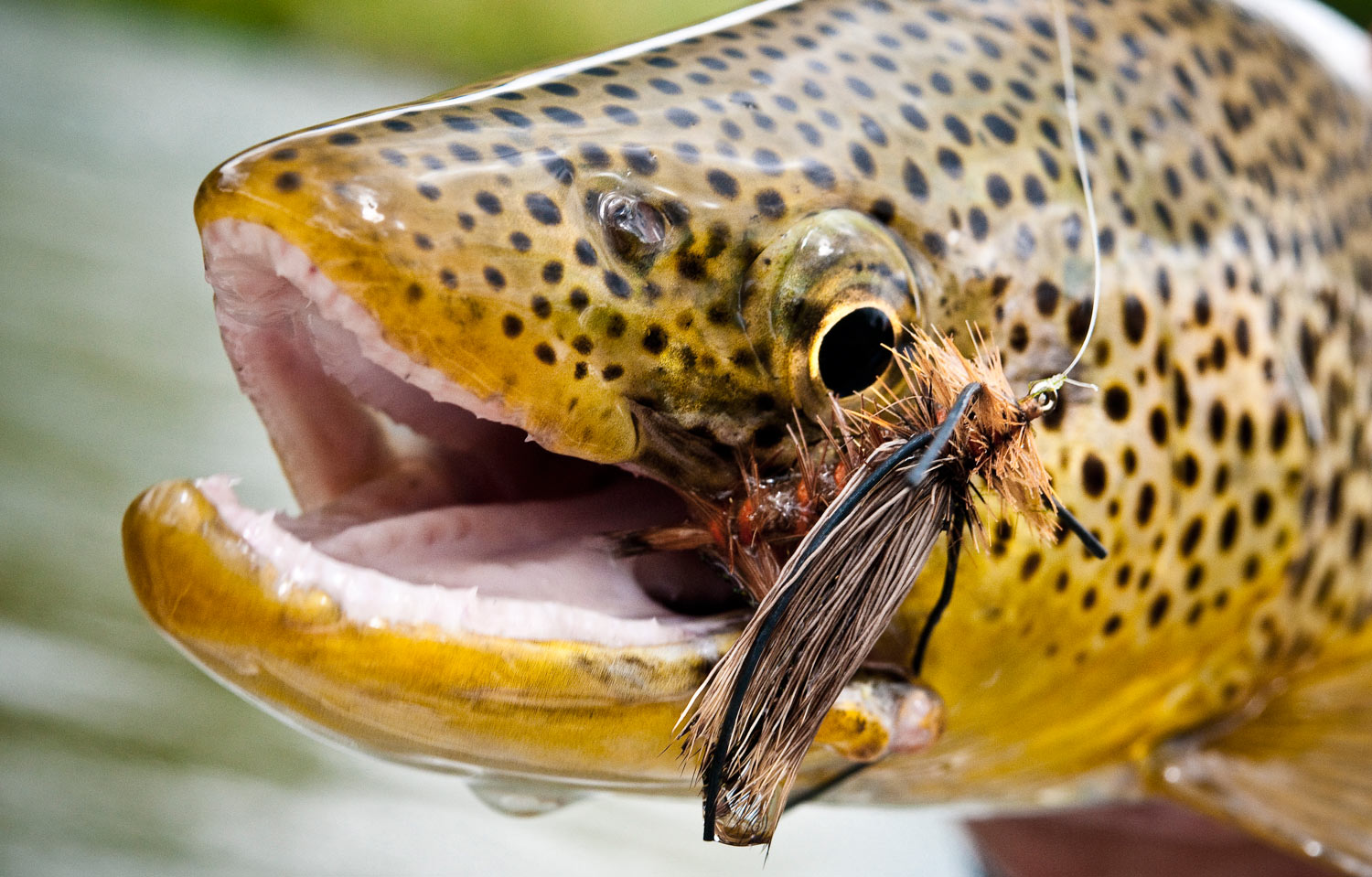
By Allen Gardner
Are you confident in your fly selection, or are you just guessing?
Most anglers open their fly box, look aimlessly at the hundreds (maybe more) of dollars of flies and make their fly selection based on their past experiences or whatever “looks good” in their box. “I did good on that one last year, guess I’ll try it out.” When is the last time you heard a guide say that?
You don’t, and it’s because they first ask the question, what are the trout eating today? Once they have a strong, educated decision, they select the fly and begin to catch loads of fish. The knowledge that helps them select the right fly quickly and more accurately is fly fishing entomology.
This article will help you understand the orders, stages, sizes and colors of 99.99% of all insects you will need to identify on the river. This is the first step in fly fishing entomology. With time you will learn to observe and identify the specific insects, and stages, which are attracting the trouts attention, but for now let’s just familiarize ourselves with the menu. We’ve put together a complete list of orders, stages, sizes and colors that are important to the fly angler.
Bookmark this page, you will refer back to if often, it’s incredibly helpful.
ORDERS AKA INSECT CATEGORIES
Let’s learn quickly what we mean by orders and stages, then we’ll show the list of insects by order, category, size and color.
Orders are just a fancy and scientific way of saying a category of insect. Remember in highschool biology when they taught Kingdom, Phylum, Class, ORDER, Family, Genus, Species? Of course you don’t, who listens in highschool biology? You should have listened though cause it relates to fly fishing!
All you really need to know is that as fly fishermen, nearly all of our fly patterns we use imitate orders of insects, not the specific species. Aside from some mayflies (Hex, Green Drakes, BWO, etc) and some stoneflies (salmonflies, yellow sallies etc), we keep it simple and only focus on the categories.
This is great news for all of us, because instead of having to remember 10,000 insect species, we just need to understand 12 or so categories. If you can identify the order of the insect, you’re more than 25% of the way to selecting the right fly.
STAGES AKA INSECT LIFECYCLES
Stages of an insect simply refer to their current stage within an insect lifecycle. Insects go through complete and incomplete metamorphsis. Complete metamorphisis includes a pupa stage while incomplete skips that step and gets on with the story.
Most insects that you need to know for trout fishing go through a larva (nymph), emerger, adult (dry), and spinner stage. We refer to these plainly as nymph, pupa, emerger, dry, spinner when fly fishing and they often correlate to fly patterns.
Not all insects have these stages, and some have an extra pupa stage, and only some of those stages apply to trout feeding behavior… it gets a bit complicated, but for now hold on to the fact that this provides a list for you to digest, not the entire subject. You’d need a fly fishing entomology course for that and is a great idea if you’re ready to take your fly fishing to the next level.
Let’s simplify and give you a framework you can use to start learning your bugs.
Read More »Sunday Classic / Fill Flash For Cooler Photos
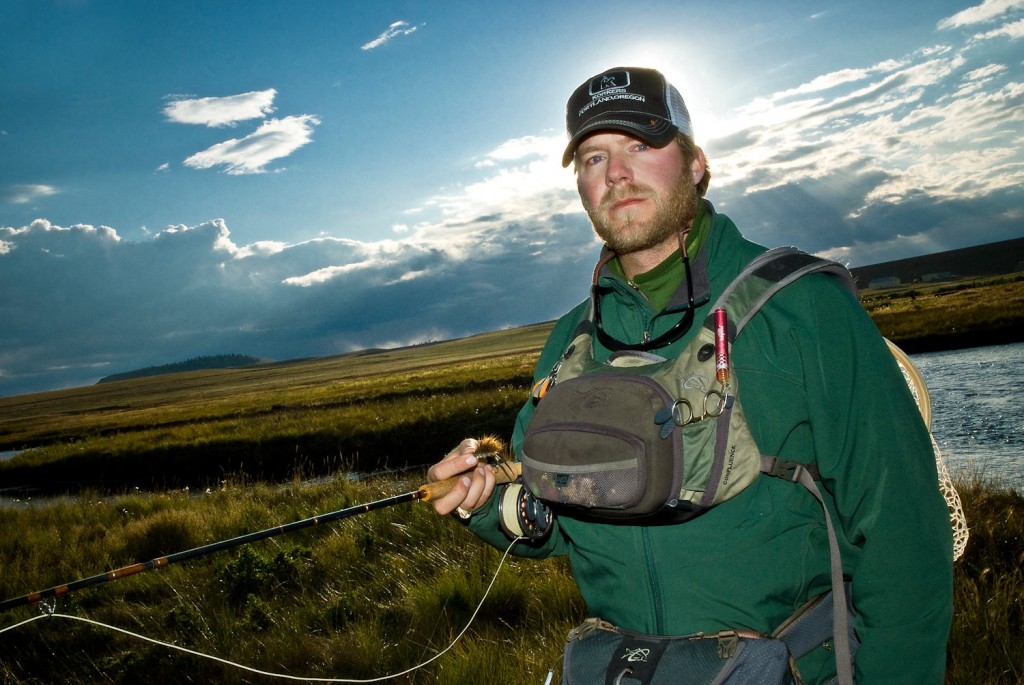
WHEN SHOOTING IN NATURAL LIGHT YOU CAN OFTEN CREATE DRAMATIC AND BEAUTIFUL EFFECTS WITH FILL FLASH.
If you have a dedicated flash for your camera, it can be pretty easy. Here’s how to start. Most DSLR cameras have a flash output adjustment. It allows you to turn up and down the flash power in thirds of stops: -.3 being one-third stop darker than a normal exposure, – 1 being a full stop darker. There is a similar adjustment for ambient light exposure. If you’re not sure how to set these functions check you manual. For a nice natural fill flash look, set your flash in TTL mode and start with a setting of +1 for ambient exposure and -2 for flash exposure. Check the results on the view screen and adjust up for a brighter image or down for a darker image. Experiment and see how the image changes. Your first results
Read More »Saturday Shoutout / Disorderly Conduct
Tuesday Bananas are the best bananas…
Michiganfly warns anglers of devastating and even life-threatening disorders in there totally awesome Tuesday Bananas series.
Need a laugh?
CHECK OUT DISORDERS AMONG FLYFISHERMEN REVEALED!
Read More »Simms West Shore Boat Shoes
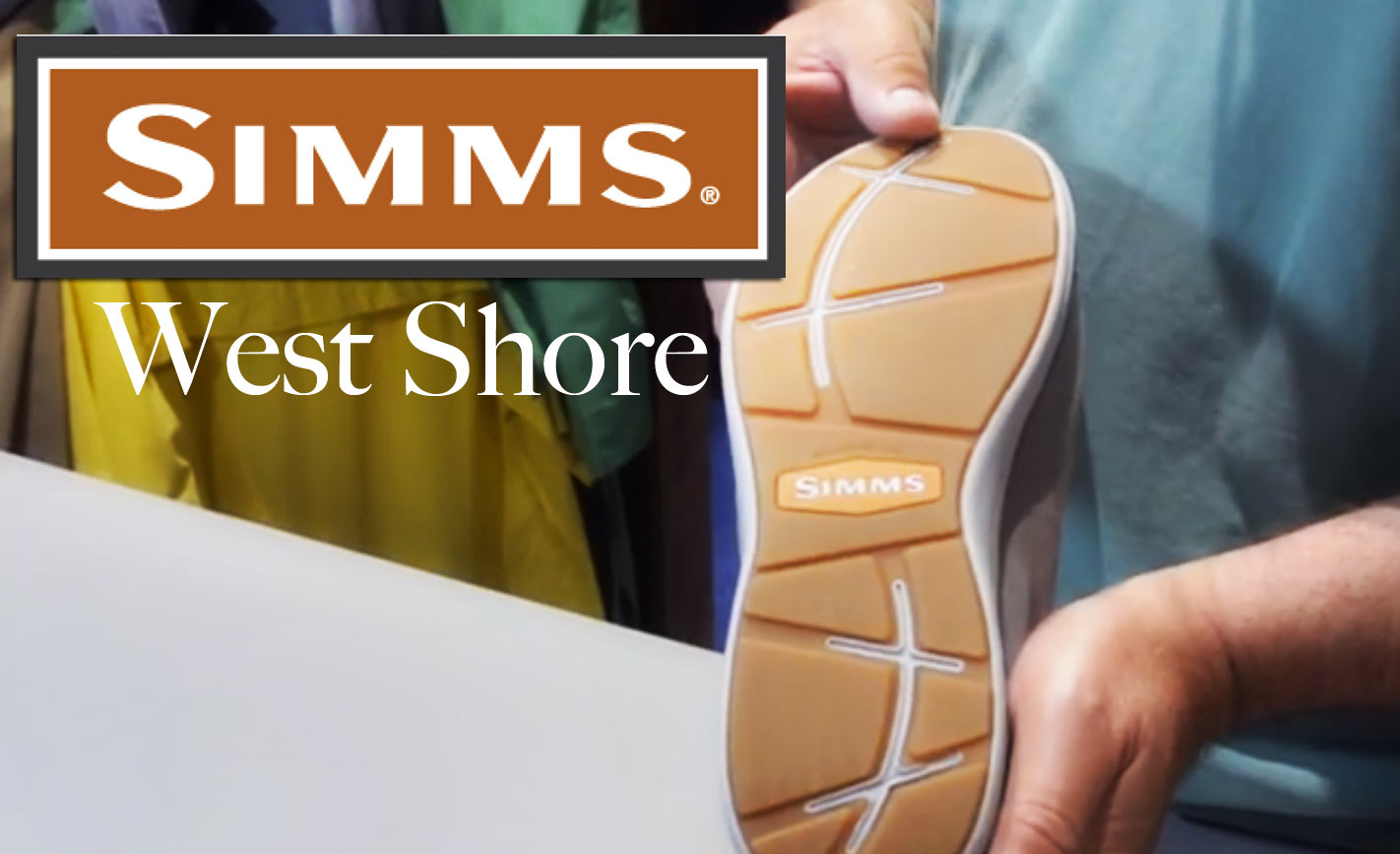
Simms west shore boat shoes are built to fight foot fatigue.
It doesn’t get talked about but pain management is a big part of fishing. If you’re on the bow of a boat and your thinking about your feet, you’re not thinking about your fishing. It doesn’t make any sense to miss fish because of your shoes.
Simms has put a lot of effort into their new West Shore foot ware. It’s not just good looking and comfortable, it’s ergonomic and works with your body, not against it. Whether your polling, rowing or fishing, good boat shoes make a lot of sense.
CHECK OUT THIS VIDEO FOR THE SCOOP ON THE NEW SIMMS BOAT SHOES.
Read More »Fly Fishing: Searching for That Needle in a Haystack
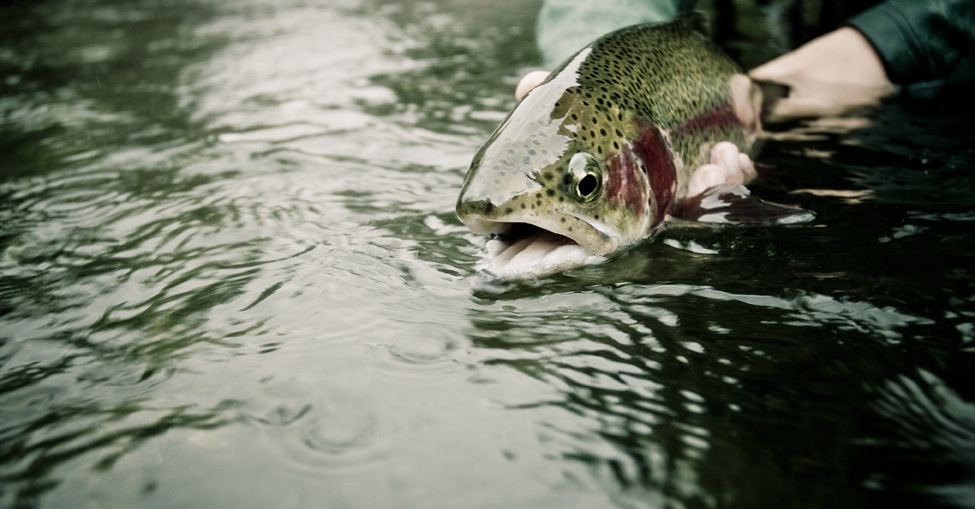
I really enjoy catching big wild trout on a fly rod. Even more though, I enjoy the challenges that come with having to hunt them down in places where they are few and far between. I’m talking about trout streams where there’s not supposed to be any truly big trout living there. The places where catching a 12-incher normally gets you tickled to death, and where most fly anglers, if asked, would tell you point blank, “I guarantee you there’s nothing swimming in that trout stream large enough for a grip and grin.” These are the places I like to visit on my days off from guiding. I get deep satisfaction searching for that extra special fish. The fish that’s 99% confident no fly angler thinks he or she even exists.
Read More »Fly Casting Made Simple
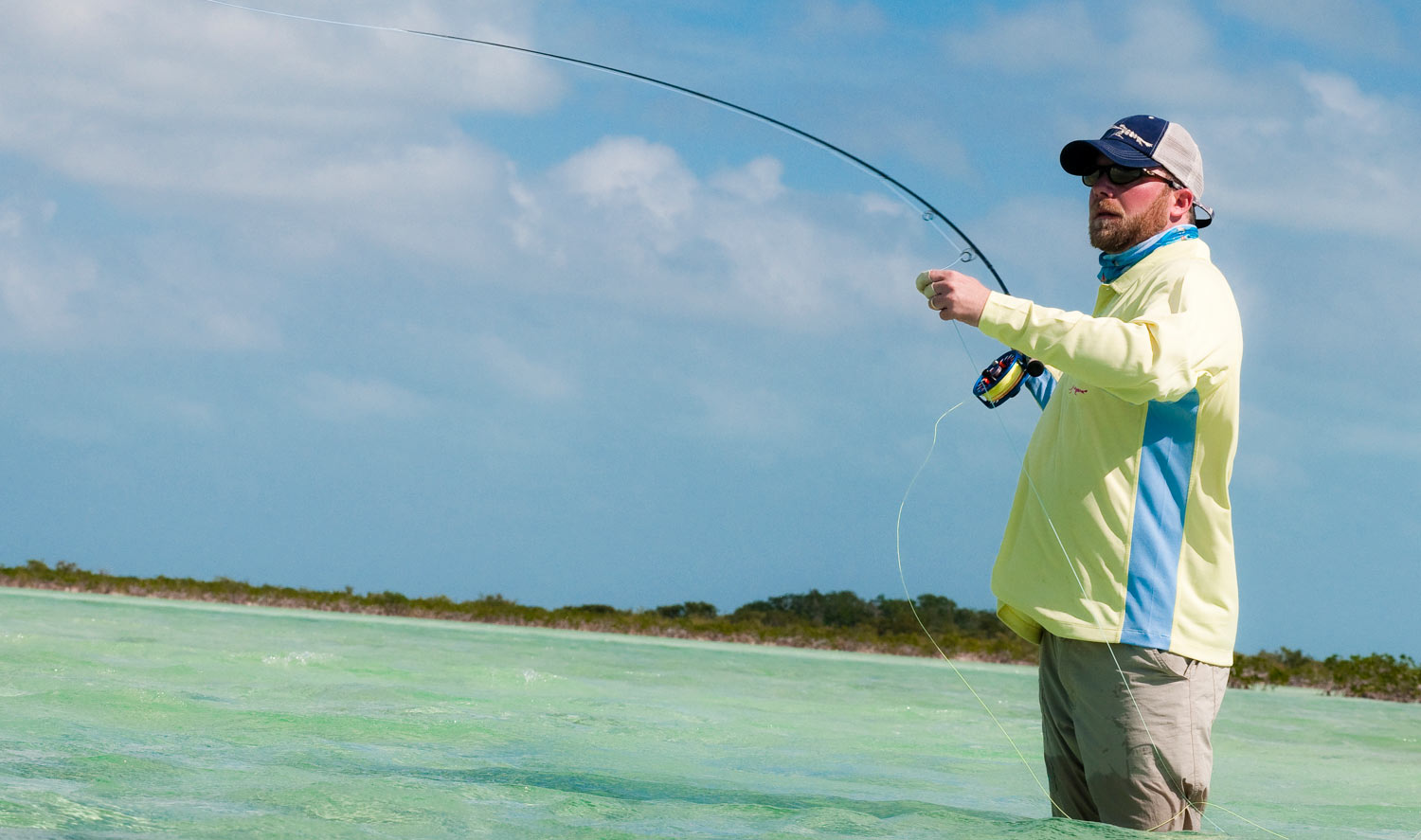
Here are three down and dirty fly casting tips that will fix 90% of your casting problems.
It’s difficult enough showing someone how to cast. Explaining it is even more challenging. Writing about it is another thing entirely. It’s no wonder that most articles on fly casting, including my own, run novel length and frequently spiral out of control. Today I’m going to try and focus on the meat of the issue. The three common problems which most casters struggle with. A Jack Web, “Just the facts ma’am,” approach that I promise will help your casting.
THE THREE MOST COMMON MISTAKES IN FLY CASTING.
Dropping the tip
Often a remnant of early years spin fishing, dropping your rod tip on your presentation is something most anglers do. The idea that the presentation cast is somehow different from the false casts made when working out line is a hard notion to let go of. It should, in fact, be exactly the same.
When false casting, you let the line straighten out fully before beginning the next casting stroke. Whether the line is in front, or behind you makes no difference. You wait for the line to straighten. The same thing is true of the presentation cast. That static rod tip acts as the anchor which keeps the energy in the line. Drop the tip too soon and you put slack in the system. The energy is lost and the leader piles up on itself.
Try exaggerating this pause. Hold your rod tip still at the end of your stroke and watch the line straighten. Don’t move the tip of the rod until the fly begins to fall. You’ll see how the system straightens out nicely every time. You can easily work your timing back from this point to where the fly and line land on the water at the same time.
Deviating from a straight line path
One of the essentials of a good fly cast is that the rod tip must travel in a straight line. This is the only way to make a tight, energized loop. It is very common for anglers to make a big arc with their rod tip when casting. Since the fly line follows the path of the rod tip, this results in a big round loop which piles up when it lands.
Look at your loop in the air. If it is not nice and flat, with the two legs of the line parallel, your rod tip is not traveling in a straight line. Watch
Read More »