
Aotearoa Angling Etiquette (Or, how not to be a dick in New Zealand)

By Chris Dore
Angling ethics and on-stream behaviour are a big deal here in NZ due to the unique qualities of our fishery.
Gin clear water hosting sometimes less than several fish per mile mean that if you walk past, there’s a good chance they will see you and spook to cover for the remainder of the day. This doesn’t bode well for anyone following you upstream… The following are long-held local practices and etiquette that have developed over time through preserving the NZ experience, dealing with increasing angling numbers, and plain, simple human decency.
1: Do NOT enter a river ahead of others on the river before you. With limited numbers of fish per mile in gin clear water the first angling party through for the day has the best, and often only, chance of the day to catch those fish, especially in the backcountry. If you’re the late-comer, suck it up and either go elsewhere, or take your chances and fish up behind, but under no circumstances drive up a K or two, or walk around and ‘jump in’ trying to get ahead. The first party there doesn’t own the river, but has every right to expect enough uninterrupted water for a full day’s fishing, the distance dictated by the nature of the fishery (ie, on high populated rivers such as the Mataura, this may only need to be 1km, however in the backcountry, where there is often a lot of empty water between fish, this may be several kilometres). Which leads into point 2…
2: Communicate. If you see an angler on the river, go over and chat. Find out his plans for the day and do not encroach. If they have ‘magically’ appeared on the river ahead of you ascertain whether you were here first, and if so remind them of the above etiquette (they may simply have been innocently unaware, or genuinely didn’t see you or your vehicle). Also remember to leave a visible note in your windscreen stating whether you are fishing upstream, or downstream of your vehicle. There’s nothing worse than arriving at a long stretch of water capable of entertaining multiple anglers, finding a vehicle parked up and not knowing which way the angler has gone. Many longer access points can accommodate an angling party upstream and another downstream (mindful of others who may be fishing through from the next access below) and so a simple note makes things easy for all.
3: Enter the river at established access points: Fish and Game NZ have done a great job at signposting access on the majority of our rivers, often negotiating public access across private land for your benefit. These accesses are usually pretty well thought out to allow for an ample day’s fishing between access points for the river concerned. If I enter a river at a signposted access, I know how much uninterrupted water I have until the next access and so plan my day accordingly. If you jump in midway between access points then you’ve just ruined my day, spooked my fish and created an awkward situation that I personally won’t hesitate to pull you up on. Think of others and stick to the signs…
4: Camping on, or leaving a vehicle overnight at an access point to ‘claim’ it for the following day is frowned upon and in many cases, illegal
Read More »The Bobber Conundrum
THE OTHER DAY I RECEIVED THIS EMAIL FROM A READER.
***
“Just wanted to bring up an issue that has been eating at my soul for years! I just can’t wrap my arms around the thought of using a bobber. That being said, I know that when nymphing on some streams that the use of an indicator is almost mandatory for your success and without one you have doomed yourself to failure but I can’t bring myself to apply this method.
Why?
I would love to here your thoughts on this issue from both sides. I have always said it’s not about the catching of fish it’s about just being there. I mainly swing flies for steelhead with my two handers and would never ever think of using an indicator for those majestic creatures but I do at times go trout fishing and find myself absolutely bored out of my mind plugging water and getting very few strikes.”
***
This has come up frequently and I thought it would be a good topic for a post. I’ll give you my thoughts and maybe you can share yours.
How does the lowly strike indicator generate so much controversy? Be it yarn, foam, a plastic bubble or a dry fly, an indicator is a tool. Like a hook or a line it is meant to help an angler catch a fish. Where is the controversy in that? How does a fellow, like our friend here, find that “eating at his soul?”
The tools you use say a lot about how you see your craft. Hopefully you’re not the guy who reaches for the hammer on every job. The old saying goes, “If the only tool you have is a hammer, everything starts to look like a nail.” Not exactly the definition of craftsmanship, on the other hand, once in a while a nail needs driving.
There is a time to drift a dry fly on 6X, a time to swing a tube fly, a time to rip a streamer and even a time to use a bobber. That’s what makes fly fishing the rich and wonderful pursuit that it is. There are always new techniques to learn and master, new puzzles to solve, new waters or fish to figure out. It is a lifelong pursuit.
The art of angling is in coming to the fish, not in having the fish come to you. It is getting into the slimy little fellow’s head. Figuring out what he expects to see and showing it to him. Whether it’s a nymph, a dry, a streamer or whatever, the art is in presenting the fly to the fish in a way that he can appreciate. It is a chess game between you and the fish and when he makes a conscious decision to eat your fly, that’s checkmate.
Well, check at least, there’s still the business of landing him, if that matters to you. It does, doesn’t it? We have all had the experience of hooking a tough fish only to see him unbutton and I’m willing to bet we’ve all said the same thing, “At least I got him to eat, that’s all that matters.” But is it? Be honest, you wanted to land that fish, right? Or was it just about being out there?
Being out there is great but if that’s what it was about we’d be hikers. Hiking is about being out there. Fishing is about catching fish. We are there with a purpose. We are anglers, we want to catch fish and there is no shame in that. If an indicator facilitates that, where’s the problem? Perhaps not with the bobber.
What we are really talking about is not technique. It’s not the catching of fish or the being out there. It’s cloaked in aesthetic and bolstered by rationalization and perceived as identity but what it is
Read More »The Green River Below Flaming Gorge Is Where They Coined The Word Epic
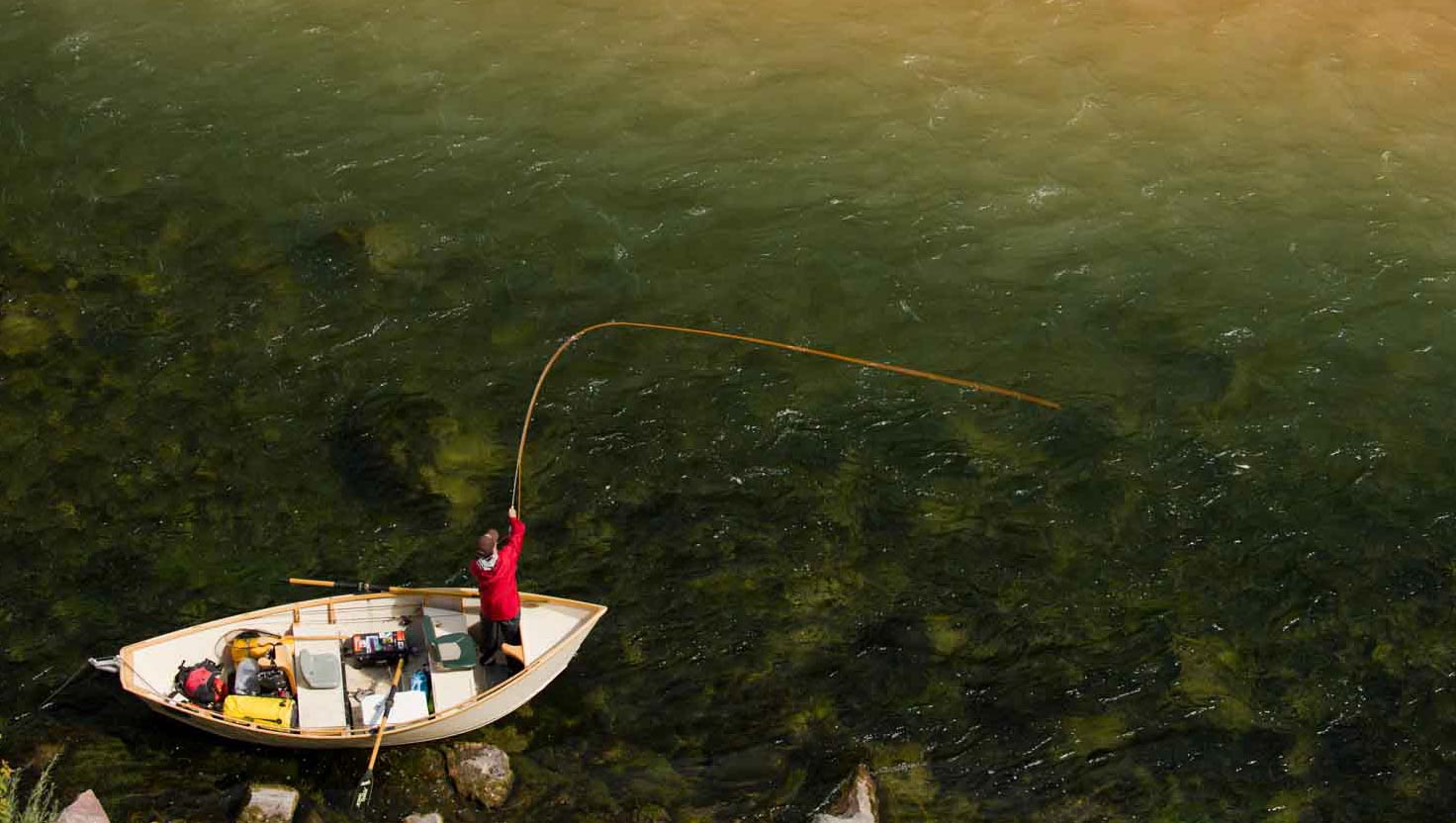
If you have never fished the Green River below Flaming Gorge, its time to check it out.
Located in the northeast corner of Utah, the Green River is one of the premier tailwaters in the country. The river flows through a beautiful red rock canyon with towering cliffs suspended high above the water and with close to 13,000 fish per mile its hard to have a bad day. The Green is best appreciated from a boat, but wade fisherman can also equally enjoy the river from the shore. There are three main sections of this tailwater. The A, B and C sections are separated by mere miles, but can fish very different depending on the time of year and Ill go through each section independently.
THE A SECTION.
At 7 miles in length this is a true tailwater, with consistent flows and gin clear cold water, bug life is a little limited in its diversity but the fish are always active. Midges, Baetis and Caddis are the primary insects but due to the arid climate, there are always a plethora of terrestrials in the summer. The Baetis hatches in the spring is both world famous and frustrating at the same time.
The river can be blanketed with bugs and it looks like its boiling with all the fish on the surface, but the fish are ultra picky. Going smaller with your tippet is always a good bet and switching from a dun to a cripple can sometimes be the ticket. About the second to third week of May we start seeing Cicadas. In my opinion, this is the best fishing in the country. 50 fish days can be the norm and 100 fish days happen from time to time. This is dry fly fishing at its pinnacle. Big bugs and big angry fish smack these monster terrestrials with a recklessness that will make your heart race. Having said that, cold weather and rain will put them down so look for multiple day of hot, sunny weather.
your planning on floating this section on your own, there are a few things to keep in mind. There is not a lot of whitewater, but there are two rapids in particular
Carp on the Fly – 12 Q&A’s to Get You Ready
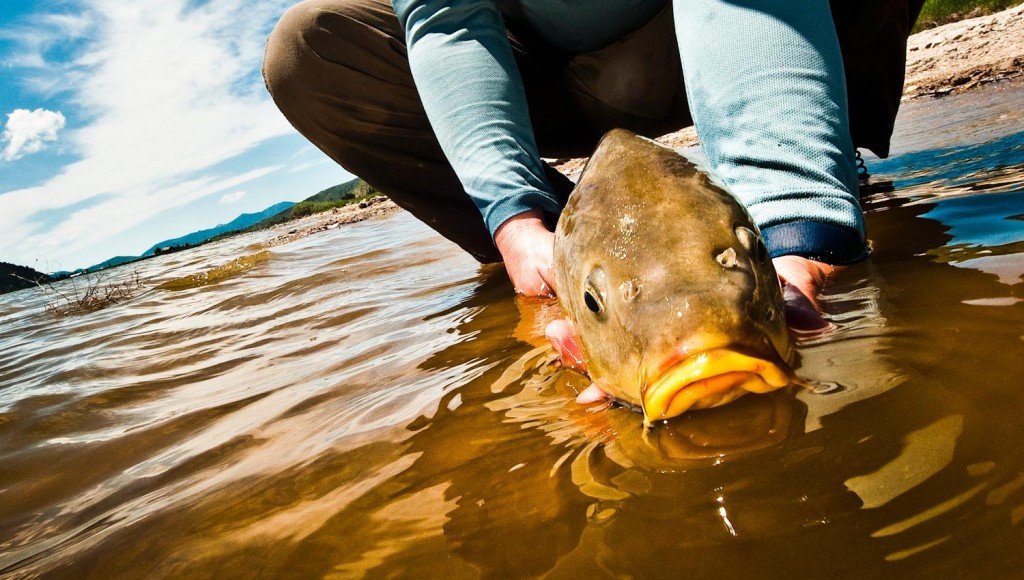
Good friend and fly fishing guide, Ryan Dunne has been capitalizing on the growing carp buzz by fly anglers lately.
Ryan commented, “I’ve seen a significant increase in carp fishing inquiries the last two years, and when the dog days of summer arrive and the trout fishing bite goes south, I now opt for poling my skiff and guiding my clients to carp on my local rivers and lakes”. Thank you Ryan for taking the time to sit down with Gink & Gasoline to answer twelve frequently asked questions about fly fishing for carp.
Have you found certain colors of fly patterns to be more effective than others?
I find that the water conditions and ambient light conditions dictate which color is more effective. I typically stick to four different colors when tying carp flies. They are black, brown, olive, and orange. Although the majority of my flies are tied in the aforementioned colors, I do tie with other colors as well.
Have you found certain fly tying materials (synthetics or natural) that carp seem to dislike?
I haven’t noticed a difference in carp behavior towards either type of material. However, most of my fly patterns contain a combination of both synthetic and natural fly tying materials.
What are a couple of your favorite go-to carp flies?
My two favorite patterns are the Carp Carrot and Carp Dragon.
Is the weight of your fly patterns critical and if yes, when do you prefer heavier flies?
Weight is definitely a key part to my subsurface carp patterns. Feeding carp rarely stay in one place, so you want to get your fly in the feeding zone as quick as possible. Water depth will dictate the weight of my patterns. I find that bead-chain and dumbbell eyes in various sizes are ideal for carp patterns.
When would you say is the most consistent time to go carp fishing?
Read More »Bob Stays Out Late

Bob isn’t a quitter, even when he should be. Maybe there will be a hex hatch…where’s my truck?
See more of Bob and the angling art of Andrea Larko on Etsy.
Read More »The Tellico Nymph
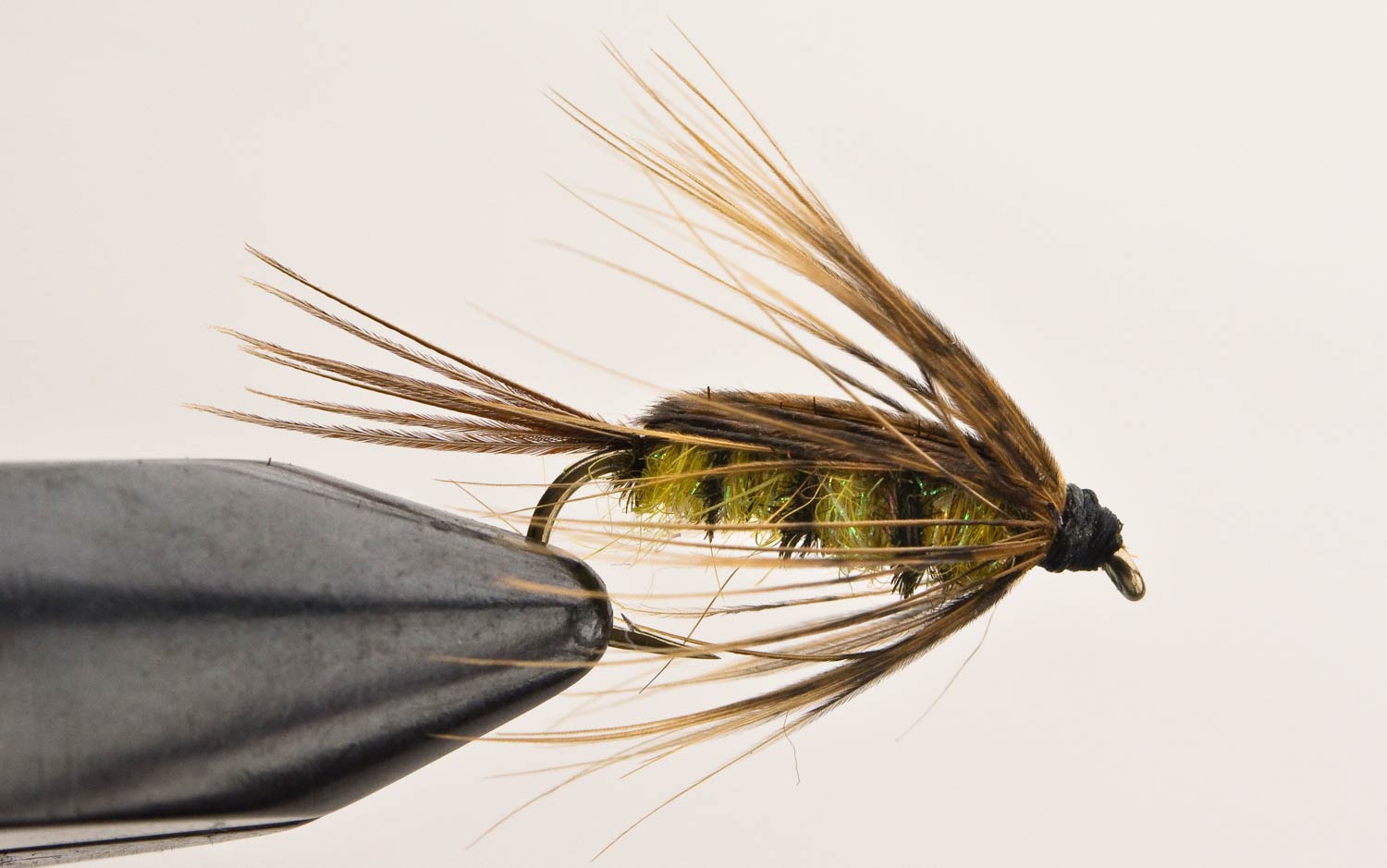
THE TELLICO NYMPH IS A SOUTHERN CLASSIC.
Named after the storied North Carolina river where it was proven fool big browns, the Tellico Nymph is a southern as moonshine and just as effective. It’s a simple impressionistic fly that works in any size, although #10 is a favorite. Just because it’s a southern fly doesn’t mean it won’t catch fish on your home waters. In fact, showing your local fish something they’ve never seen might be a great idea.
Conner Jones is back to show you how to tie The Tellico Nymph.
Read More »Catching Air

By: Alice Tesar
My outdoor gear is always put to the test when I take it for a spin with my toddler. Recently my partner and I were fishing with him at a local spot that has a wide rocky bend. We let him play around, eat a few rocks, and investigate sunbathing snakes while we got some casts in. I paused to tie on a new fly and he hobbled over to me to inspect my choice. He gestured to hold my rod and while I repeatedly offered him to hold my net instead, he insisted on the rod and began to throw a tantrum. In a moment of trust or parental weakness — it is all a blur — I let him hold the rod. In a split second, he had run two-rod lengths down the shoreline and was jamming my 4 wt. Winston Pure under the water, bent in a right angle, back-and-forth in the freestone river bed. As fast as he got away, I was bear hugging him, the rod, the net, and, well…the fly was hugging my thumb with its barb. To my surprise, the rod and all its guides were still intact. Everyone talks about the Winston Feel but I think the Winston “Durability” also needs some credit. The three of us regrouped, removed the barb from my thumb, the tantrum prone toddler went back in the pack and we cast on.
I was relieved to see that the rod was casting fine given its recent assault. The Pure is a dry fly rod made for precise presentations and light flies and it is spring in the Rockies which means deep nymph rigs. Nevertheless, it was a new rod and I was looking to put it to the test. With some effort it cast my weighted nymph rig sufficiently but the true magic of a rod like the Pure is its presentation of a dry fly. Feeling the flex in my palm, the nearly weightless rod shoots a size 18 CDC Midge to the top of the riffle. A long, slow drift made effortless by the rod’s flick-of-the-wrist mending capacity. We did cast dries to a few rising fish as the morning went on, but as happens more frequently now due to the wandering toddler, I’m not paying as close attention to the river’s hints nor the trout’s take. We left skunked but with our rods intact.
When we became a family of three, we were gifted a book that we condemned to the shelf immediately.
Read More »8 Tips For Figuring Out The Trout

How do you find and catch trout on days when there doesn’t seem to be much action?
When the river looks like it’s boiling with rising trout and you’re having to wipe the BWOs out of your eyes just to tie on a fly, it doesn’t take a degree in entomology to catch fish. Sadly, days like that are few and far between and we spend plenty of days on the river scratching our heads and guessing what might get a favorable response.
Most days there is a combination of fly pattern and technique that will put a couple of fish in the net. If you’re struggling with finding that combination, you may just need a method of narrowing down the variables and making an informed decision.
HERE ARE 8 TIPS FOR FIGURING OUT WHAT THE TROUT WANT.
Take a few minutes to watch the water.
Try to resist the temptation to jump in and start casting. I know, it’s hard. You’ve driven a couple of hours and you’ve been thinking about fishing all week, but take a few minutes to watch the water and see what you can learn.
Are there any bugs at all? If there are adults but no fish rising to them, try the nymphal form. If fish are rising, pay attention to the rise form. Splashy takes may mean they are eating emergers, while lazy sips might suggest spinners. What about water clarity? Stained water might require larger or more brightly colored flies. Higher or lower than normal flows might affect where fish hold.
Look for fish, too. It’s much easier to narrow down choices of patterns and techniques when you have an actual fish the test them on. Before you start blind casting to pockets and seams, see if you can spot a good dance partner.
See what the birds are doing.
Birds and fish have more in common than many folks realize. Most birds eat insects in the same way fish do. If swallows are buzzing the surface of the water the hatch is on, even if you can’t see it. If they are circling high above, you may have missed the hatch but those bugs will be back later in the day to lay eggs and fall. Other birds like herons and osprey are professional fishers and know exactly where to find fish. Keep a close eye on them too.
Sample some bugs.
It’s never a bad idea to take a few minutes to see what’s on the menu. Especially when fishing new water or as the seasons change. Turn over some rocks in a riffle and see what’s clinging to the bottom. Look around rocks and plants on the edges of the water for shucks or adults. Shake some bushes and kick the grass to see what’s hiding there. Run a bug seine along a foam line, especially if you see fish rising but don’t know to what. A little investigation will at least give you a starting place, if not an answer.
Use searching patterns and tandem rigs.
Read More »Catch More Fish By Listening To Vinyl
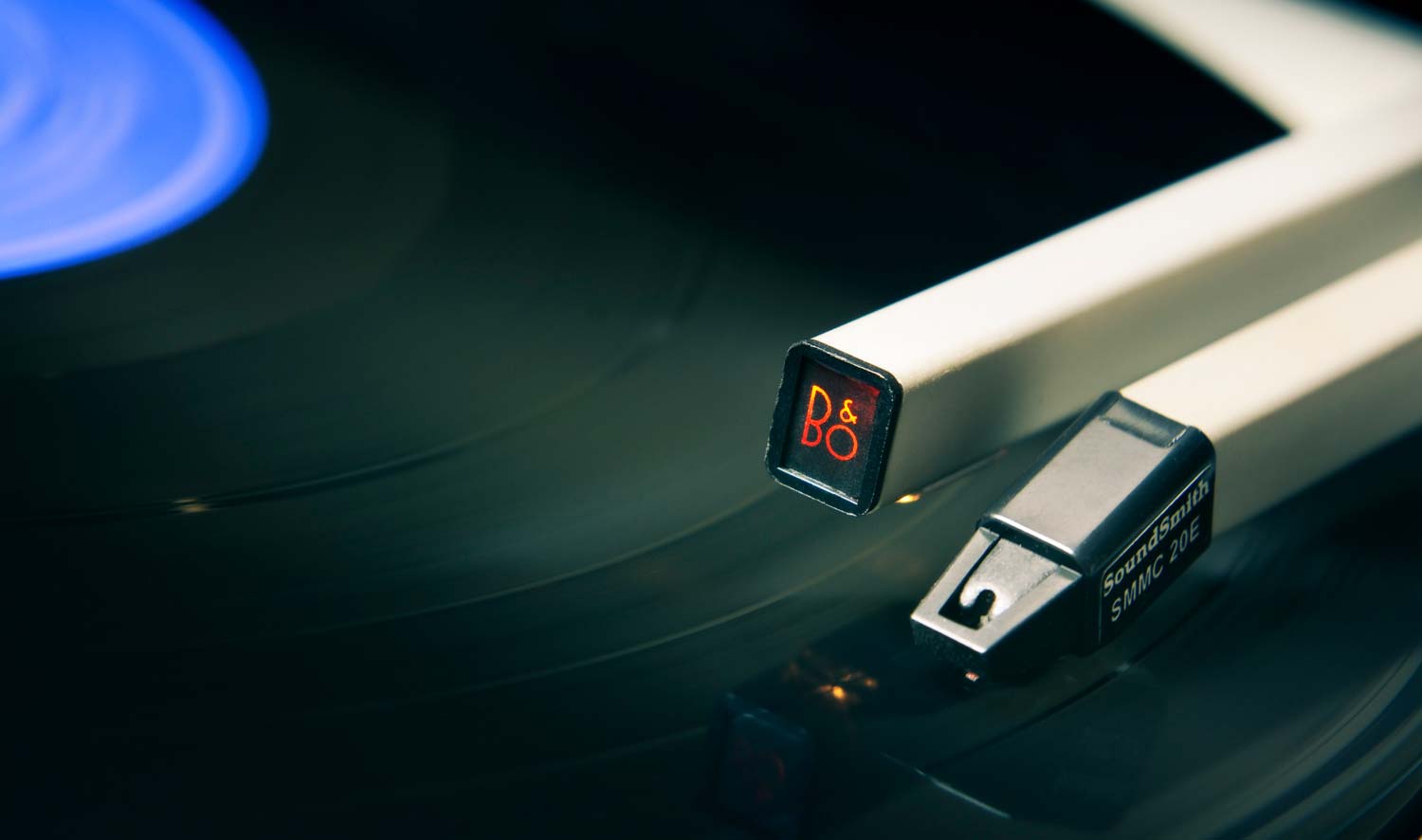
Is there a link between vinyl records and fly fishing?
I’m prepared to make a completely unreasonable argument. Whether or not you agree with it, it might actually help you catch more fish. If not, it will absolutely make for a better music listening experience. What have you got to loose?
I became aware of this obtuse connection on my first steelhead trip to Oregon to fish with my buddy Jeff Hickman. We spent the cold snowy evening tying flies, drinking Irish Whisky and spinning old vinyl LPs. The sizzling, popping sound of The Doors became the soundtrack for my first steelhead on a swung fly. To this day music and steelhead are inextricably linked.
Music has always been an important part of my life. I wore through the grooves of a hundred records when I was a teenager. I still remember seeing my first CD player and its shiny silver disks. In the mid 80s, when CDs were unavoidable and vinyl hard to come by, my faithful Bang and Olfson 4002 turntable, bought with paper route money, went into a box.
Fortunately, I never lost track of it and, twenty-five years later, after that trip to Oregon I pulled it out. I’d forgotten how good vinyl sounds. How warm and organic. What’s more, I’d forgotten that listening to music was a ritual. It was a production, something you set aside time to do. You couldn’t just put on a playlist and go about your day. There were buttons to push and records to be flipped. Music demanded your attention and that made you appreciate it.
The last week or two I’ve been tying woven nymphs. If you’re not familiar with the technique, it involves weaving intricate, two-toned bodies from colorful embroidery thread. It’s tedious and time consuming and in the end the patterns are not necessarily more effective than much simpler patterns, but creating them and fishing them is a real joy. When you tie on a carefully woven nymph you fish in different way, or at least I do. It’s as though the time and care that’s put into each fly culminates in a more mindful fishing experience. Each cast becomes a special occasion.
During these tying sessions I’ve been listening to vinyl records. Brian Jones era Rolling Stones, mostly. I’ve worked it out to where each fly takes about an album side. At that rate I’m not exactly stuffing the box but that’s not the point. I put on side two of “More Hot Rocks” and start tapering the body to “Out Of Time” and I’m whip finishing somewhere toward the end of “We Love You.” I’ve crafted a beautiful trout magnet and witnessed an important evolutionary period in The Stones music. Absolute perfection.
I got into fly fishing very young. I don’t think my path was at all typical. I was never a good gear angler and I’m still not. I was an outsider and fly fishing was an outsider’s game. I’m self-aware enough to know that I was drawn to it because I like doing things the hard way, even when I’m not very good at doing it the easy way yet. I got one casting lesson from my grandfather and everything else I learned up to about age 40, I learned on my own. I don’t recommend the method, that’s just how I did it.
I do think most fly anglers do have a few things in common. We like to do things the hard way. We enjoy the process and the challenge and we are comfortable being outsiders. Our interest in doing things a particular way generally outweighs our interest in catching fish. It’s a contradiction we all practice and seldom understand.
The division between fly and gear anglers was highlighted for me at this year’s IFTD / ICAST show. On the way
Read More »7 Reasons I use the Double Figure 8 Loop Knot In Freshwater And Salt
By Louis Cahill
This easy fishing knot will help you catch more fish.
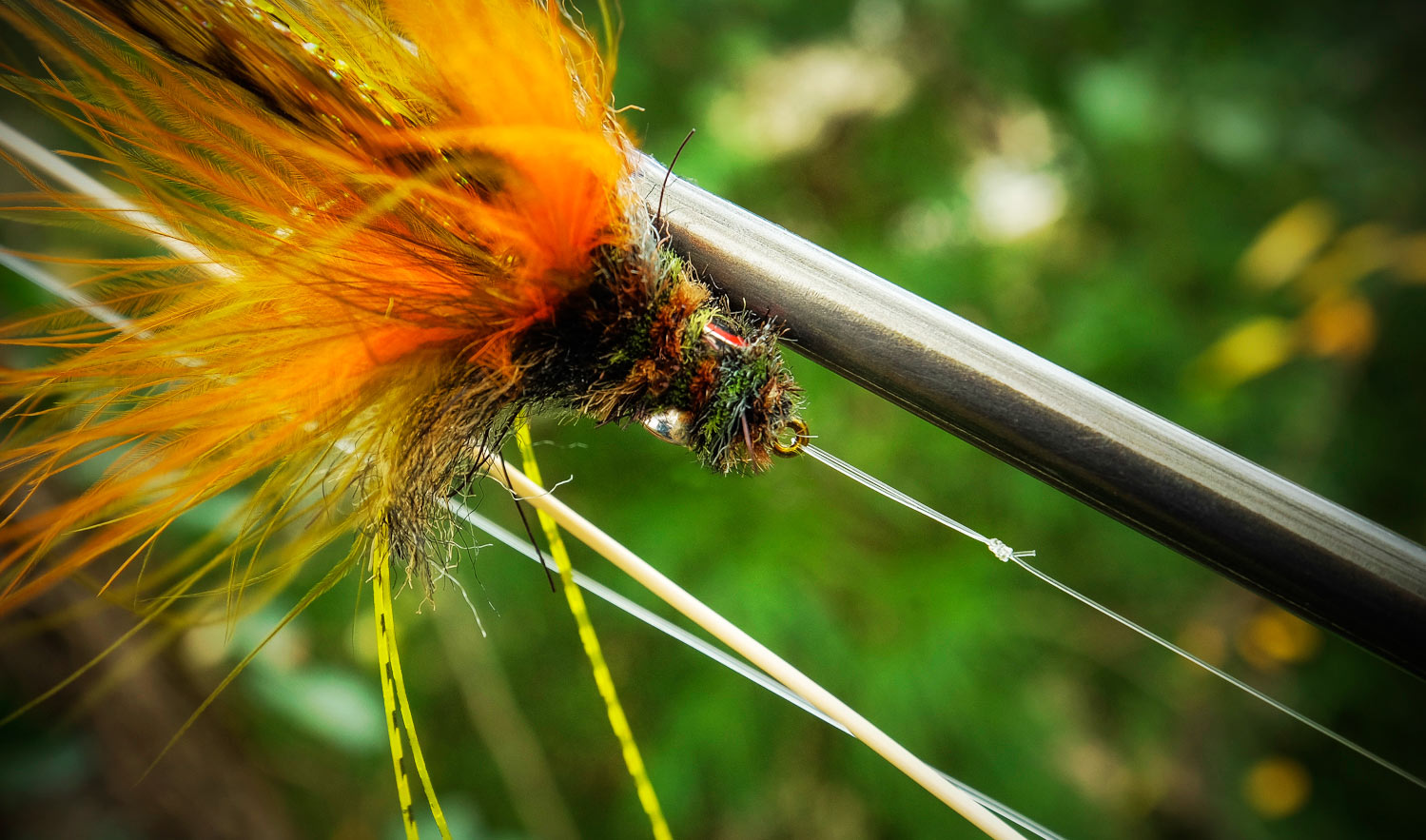
I learned the Double Figure 8 Loop Knot when I started getting serious about tarpon fishing. It quickly became the go-to knot for all of my saltwater and streamer fishing. I even use it to attach nymphs from time to time. It has become indispensable to me and I am absolutely sure that I catch more fish by using it. No matter what species you target, the Double Figure 8 will help you fish better.
HERE ARE 7 REASONS I USE THE DOUBLE FIGURE 8 LOOP KNOT.
Better Action
The key to enticing fish to eat a fly is lifelike action. Since a loop knot doesn’t lock the tippet down against the eye of the hook, your fly is free to move at any angle in the water. Any fly attached with a loop knot will move in a more lifelike manner and is more likely to be eaten.
Flies sink faster
With a traditional fishing knot, like a clinch knot where the tippet is locked to the eye of the hook, a weighted fly has to pull the tippet down across its width. This causes resistance. Think of it as putting your rod tip in the water and moving it quickly sideways. Can you feel the resistance? With a loop knot, the fly can pivot in the loop and dive, drawing the tippet down along its length. Think of that as plunging your rod tip into the water tip first. Much less resistance, right? That’s why loop knots are the standard for saltwater fly fishing.
Small profile
The Double Figure 8 does not rely on multiple wraps of line for its holding power. The simplicity of the jam knot creates a strong knot that’s much smaller than other fishing knots. A smaller knot is less visible to the fish. This is huge when using heavy bite guards for species like tarpon or musky. This does, however, lead to the one exception in my use of this knot. I do not use it to attach the hook when fishing tube flies. Because I rely on the larger knot to stop the tube, I use a surgeon’s loop.
100% line strength
The Double Figure 8 is a jam knot. That means it’s two simple knots which slide together and lock into place. There are no weak points in the knot. No places where tippet can cut itself and tags don’t pull through when the tippet stretches. Your knot strength is the full tippet strength.
Low friction tightening
The strength of you knots is only as good as