
Fishing Dog Friday / Indy
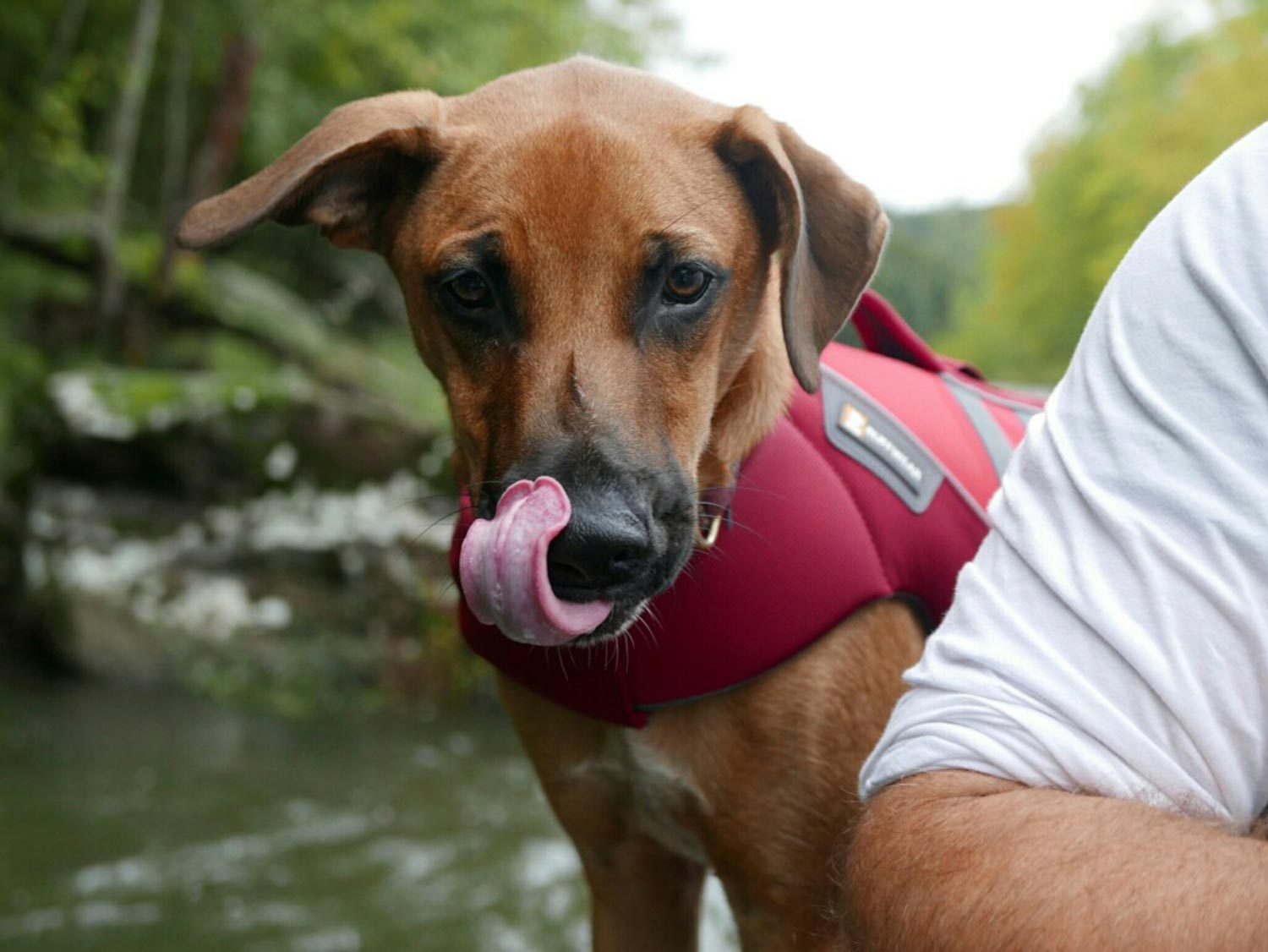
Meet Indy, half lab, all awesome.
Indy calls Roscoe, NY home and can often be seen chasing, and sometimes catching, waterfowl on the Delaware River. His dad, Bryn Bode, can always count on Indy for some decomposing deer parts he finds along the bank. Thanks Indy! I guess that explains the tongue action.
Show some love for Indy in the comments section.
Read More »You Can Mouse Just About Anywhere
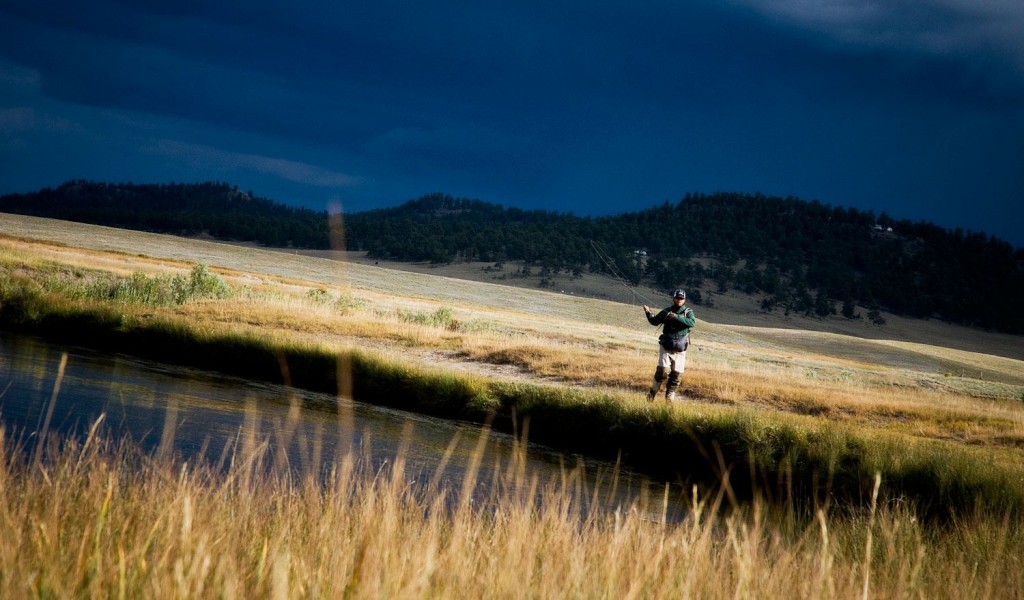
EIGHT YEARS AGO, I GOT FED UP WITH READING ARTICLES ABOUT PEOPLE ALL AROUND THE COUNTRY AND ABROAD FLY FISHING WITH MOUSE PATTERNS AND LANDING TRULY GIANT TROUT.
It seemed every medium I read or watched, there were people showcasing how productive mouse fishing could be. The only problem was, where I lived in North Georgia, as well as the majority of my neighboring states, I heard very little about anyone fishing mouse patterns. You’d find a few patterns here and there in the fly bins at the local fly shops, but in actuality, I think most of those were being fished on farm ponds for bass not for trout. I couldn’t take it any longer, so I decided to go on a mousing binge, strictly fishing mouse patterns on my days off. I really wanted to figure out if mouse patterns would work just as well on my home waters as they did on blue ribbon caliber trout streams.
My first big brown trout fishing a mouse pattern.
It didn’t take long to find success. My second trip out I landed a 26 1/2″ wild brown trout on my home tailwater. It was one of the biggest documented fly caught brown trout on the surface that anyone could remember for quite some time. I then moved on to some of my favorite small mountain streams where I’d never heard of anyone tying on and fishing a mouse pattern. Again, my mouse experiment yielded incredible success, and I quickly turned into a mouse fishing enthusiast. I didn’t know if I was having luck because no other anglers were fishing these big mouse patterns, or if it was simply that very few anglers in my area were willing to accept mice were regularly being preyed upon by our local trout. I didn’t know for sure, but in all honesty, I didn’t really care. Success was success, and I was going to milk it before everyone caught on.
Here’s What I learned about Fishing Mouse Patterns that first year.
You can just about fishing mouse patterns anywhere with success. Do not exclude small trout streams.
Although you seem to catch bigger trout on average with mouse patterns, I did find smaller trout will aggressively eat them as well.
Brown trout aren’t alone, rainbow trout, brook trout (char), and steelhead will chomp on mouse patterns too.
I learned there are other ways of fishing mouse patterns other than the traditional down and across skating technique. On smaller streams in particular, I had very good success
Sunday Classic / 3 Tips For Better Bonefishing
CHANGE THE RETRIEVE BEFORE THE FLY
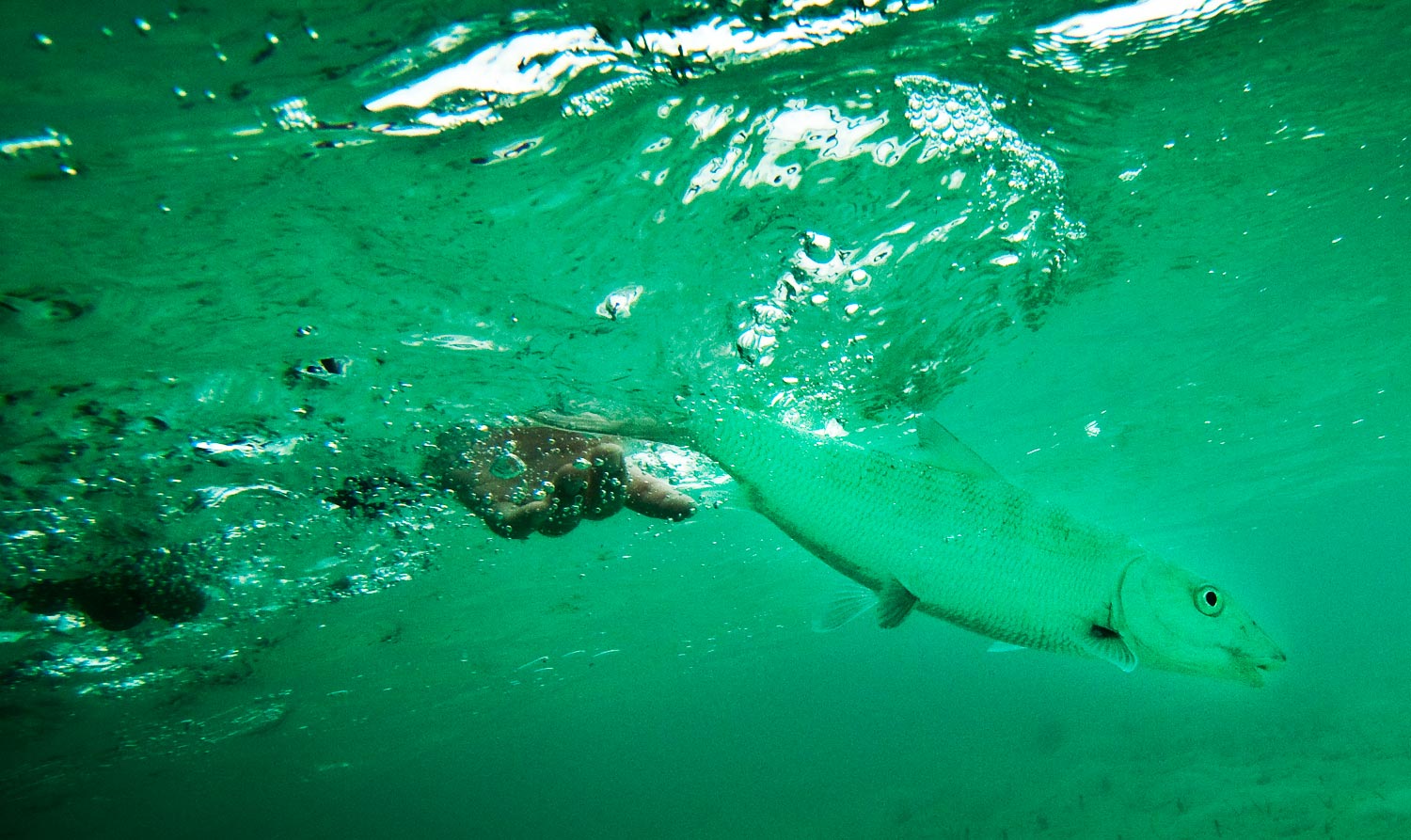
If the bonefish are following your fly but not eating it, the fly may not be the problem. As fly fishermen, we always want to blame our fly. I think this comes from trout fishing and the idea of matching the hatch but often, whether fishing in fresh water or salt, the problem is the presentation and not the fly.
When you cast your fly to a bonefish and he keys on it and follows the fly for a good ways, then turns off, generally it’s the retrieve he doesn’t like. Often changing it up will solicit the bite. If you’re stripping slow, speed up. If you’re stripping long, go short. Most often I find that a series of short fast strips followed by a pause does the trick. The beauty is that you can make this change immediately and catch the fish at hand.
Read More »Saturday Shoutout / Drop Off Panic
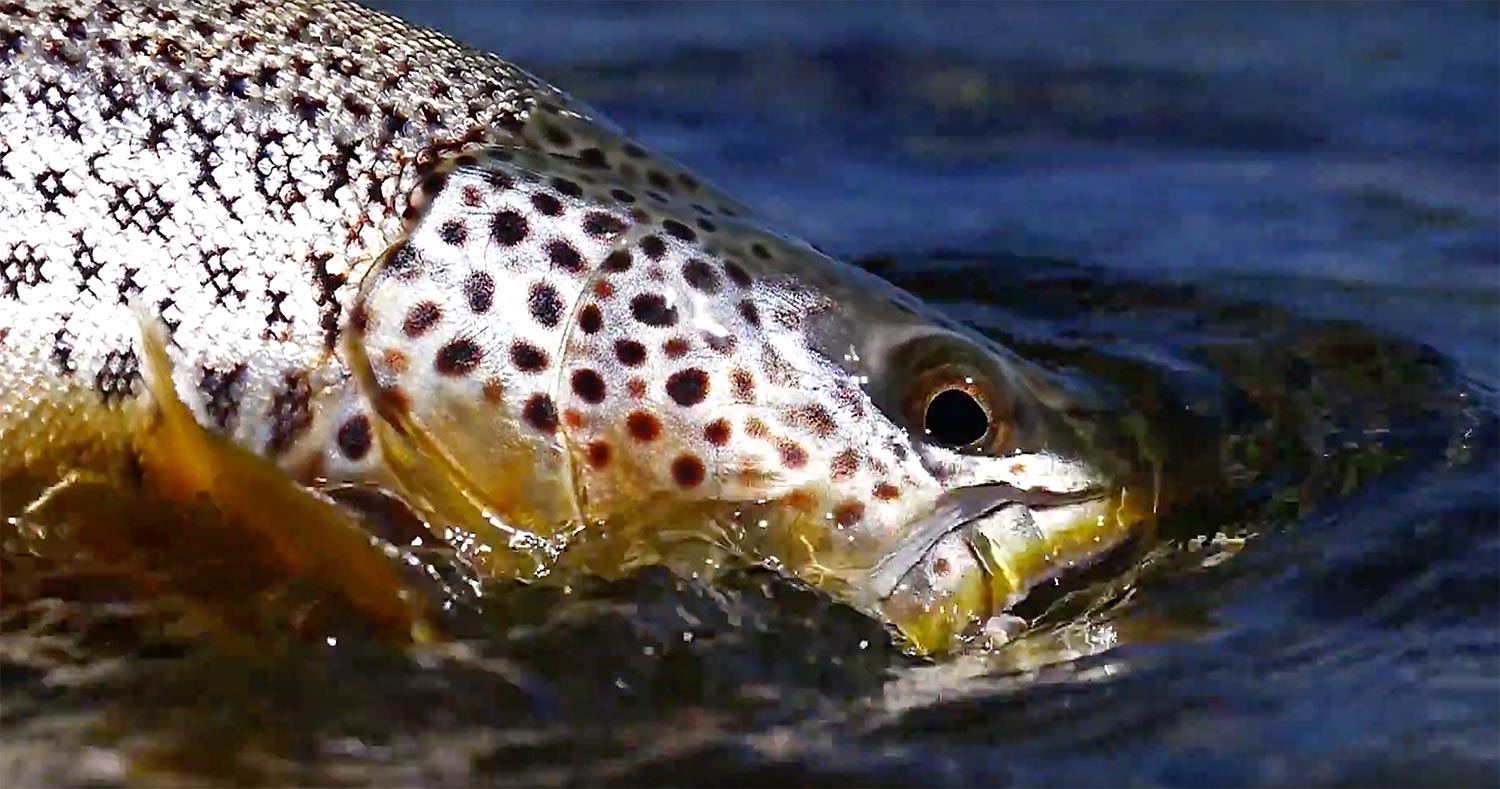
Cast, mend, drift…Panic ensues.
Every angler knows that drop-offs are trout magnets. Anywhere our friends are found, you can drift a dry fly through a riffle and out over deep water and expect something good to happen. Take that scenario to the Limay river in Argentina and the experience can be magical.
In this short film, Argentine film maker Pablo Saracco does just that. I had the pleasure of fishing with Pablo on the Limay a couple of years ago and I’ll never forget it. You can check out Pablo’s Youtube Channel for more great fishing action in Argentina.
JOIN ME ON THE LIMAY AND PARANA IN FEB OF 2008. CLICK HERE FOR DETAILS.
Read More »Fishing Dog Fridays: Trigger
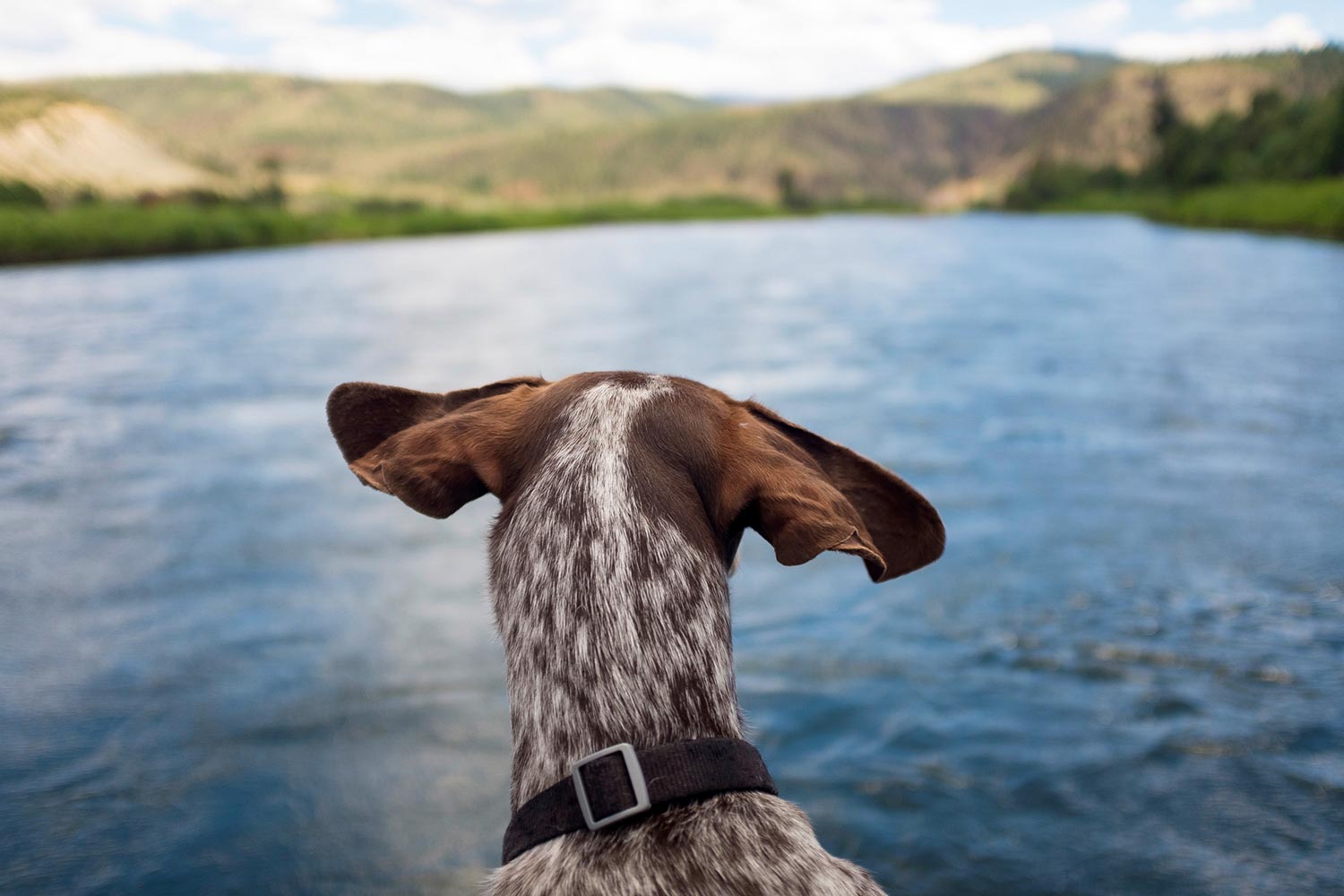
MEET TRIGGER, THE GERMAN SHORTHAIRED POINTER.
Those ears tell the story of a happy dog. Trigger calls Wheat Ridge, Colorado home. He started his career as a bird dog but these days he’s taken to the river with his dad, Josh Duplechian. Trigger is known along the mighty Colorado for taking a dip at the worst possible time. His special skill is his flawless impression of a pyramid anchor. His favorite treats include children socks, entire bags of M&M’s and chicken feed.
Trigger looks like a dog who has his priorities in order. I think we call all learn a lesson from him and let our ears fly once in a while. Thanks for sharing Josh!
Show your love for this awesome pooch in the comments section.
Read More »G&G / Fishpond Fishing Dog Photo Contest: Winner
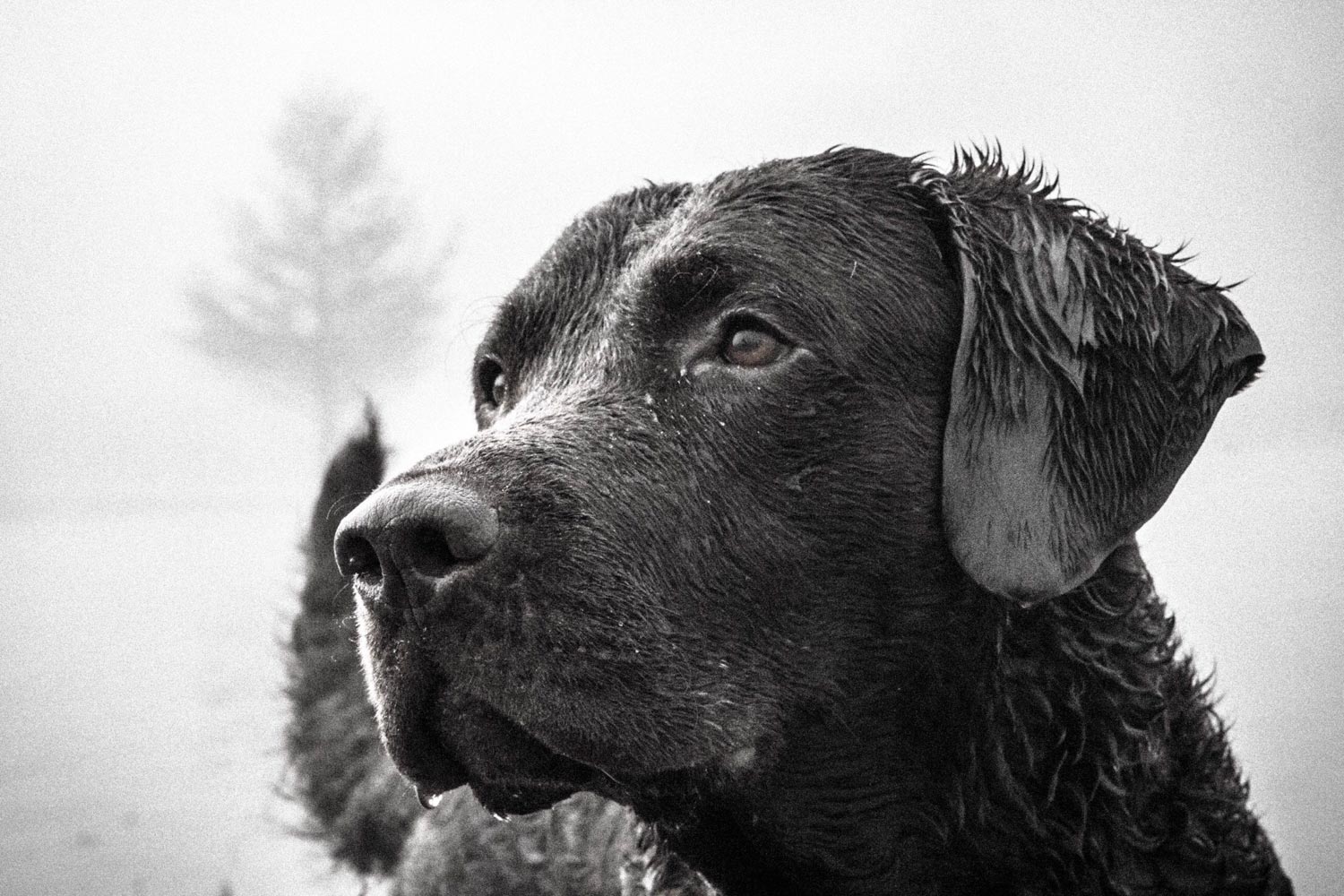
If that dog can’t find fish I’ll eat my trucker hat.
Congratulations to Ryan Forbus. This photo of his fishing buddy Mason, a Chesapeake Bay Retriever. That’s as regal a fishing dog as I’ve ever seen. For his good looks, Mason will enjoy a new collar, food and water bowls, and dog bed from Fishpond. Ryan has chosen XXX to receive a $250 donation from G&G and Fishpond.
We received a landslide of great dog photos for this contest. So many beautiful images it was hard to pick just one. Since it doesn’t seem fair to keep them to ourselves, over the next few weeks, we will be sharing some selections on Fridays. Stop by for Fishing Dog Fridays and get your dog fix from G&G.
Thanks to everyone who contributed and a big thanks to Fishpond for their generosity and support.
Read More »Who Says Short Rods Are For Small Streams
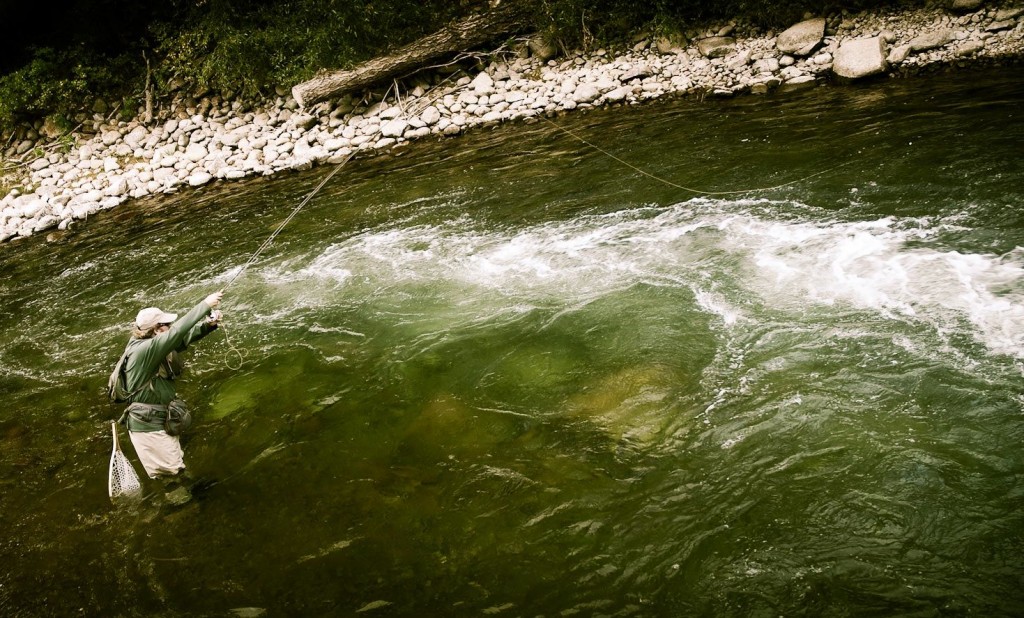
MY GOOD FRIEND DAVE GROSSMAN DECIDED TO TRADE IN HIS 9 FOOT BOAT RODS FOR 10 FOOTERS THIS YEAR.
So far, this fishing season he claims the extra foot of graphite has been working wonders for his clients on the water. Dave says, “I find that the ten foot fly rods make it much easier for my clients to mend their fly line, especially when they need to mend a lot of line. That translates into them consistently getting longer drag-free drifts. The longer rods shine when we need to high-stick across multiple currents, and they also allow my novice clients to squeak out a little more distance in their casts.”
After hearing those positive comments from Dave, I decided to give them a shot with my own clients, but I’d take it a step further. Instead of just incorporating them on float trips on the big rivers, I’d experiment using them on small to mid-size streams. The first trip out was a real eye opener and success with the ten foot fly rod on one of my 30′-40′ wide trout streams. To my amazement, the longer rod outperformed my standard 8 1/2-9 foot fly rods in almost all fishing scenarios in my clients hands. The only area the ten foot rod underperformed, were spots where the stream narrowed drastically or when it was really tight and cramped. The surprising thing about that, is it actually happened a lot less than I thought it would, and when it did, I’d just handed over the shorter rod I was carrying to my client. The key was positioning my angler in the correct spot, reminding him he had a longer rod in his hand, and then choosing the appropriate fly cast to present our flies.
I continued the experiment for several more guide trips, and it quickly became apparent, that all the fly fishing literature I’d previously read about matching the length of your rod to the size stream you were fishing, was actually just one way of looking at it. If there’s one thing I’ve learned over the years with fly fishing, it’s that there’s almost always multiple options (types of casts, types of rigs, types of gear, ect.) that are feasible for anglers to use when fishing any given situation. Most of the time we end up going with the status quo, which is the obvious and most popular method for the fly fishing situation at hand. Sometimes, however, if we’re not afraid to think outside of the box, and open to use an unorthodox approach, it has the potential to end up performing even better for us on the water.
BENEFITS THAT I NOTICED WITH MY CLIENTS WHEN I PUT A LONGER FLY ROD IN THEIR HANDS.
Ten foot fast action rods usually have a
Read More »It’s All In The Hips
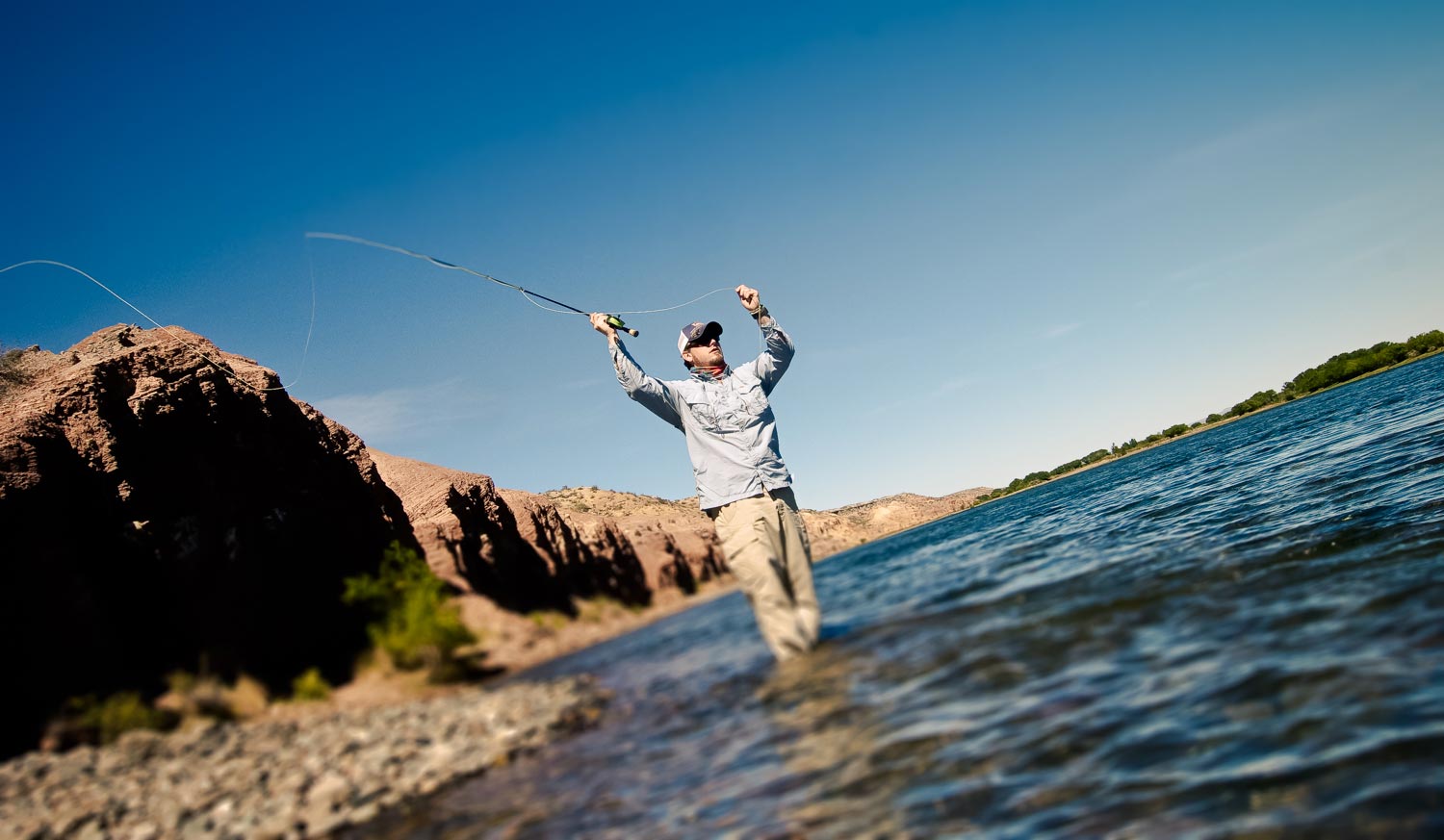
By Justin Pickett
Ever find yourself making the same poor presentation over, and over again? Or maybe it’s not that the cast is poor, but you are trying to work different areas of a run and your fly keeps landing near the same spot each time. Don’t drive yourself crazy, or give up on fishing the run. Getting frustrated is only going to lead to more mistakes. Sometimes the biggest gains are made with small adjustments, and in this case, there is a simple, effective way to fix this issue.
If you get into a situation where you keep making the same cast without intending to, all you need to do is turn your hips towards your intended target. This will naturally
Read More »Epic Argentina Double Header: Feb 3-13, 2018
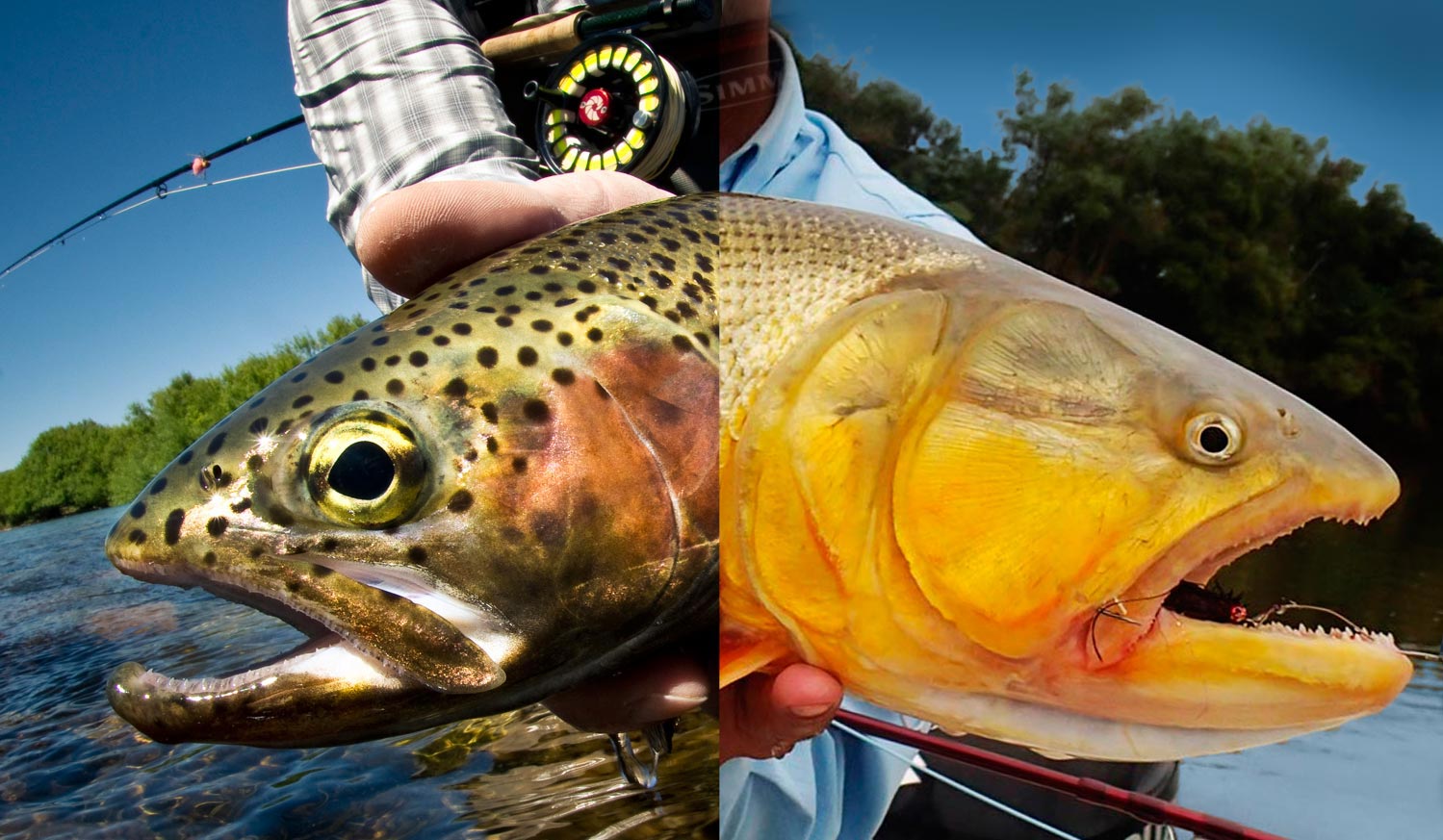
This is truly a once-in-a-lifetime fly fishing adventure.
I have fished some amazing places but none offer the diversity, solitude and hospitality of Argentina. Floating the storied rivers of Patagonia, you get the sense of what it would have been like to be the first angler to trout fish the American west. Big brown trout and rainbows crush #2 dry flies as condors soar overhead and llamas lounge on the bank. You look around but there isn’t another angler on the river. Your boat pulls into camp and you are greeted by a goat, roasting on a spit over an open fire. A lavish island tent camp with Christmas lights strung in the trees, a full bar and cases of Argentine wine. You spend the evening gazing at the Southern Cross hanging over the river, then drift off as your guides tell fantastic stories around the camp fire. You can’t make up this kind of stuff.
The Limay is known for its big browns. It’s very common to catch fish over 20 inches on dry flies. Anglers probe the depths with minnow patterns, finding brown trout in the twenty-pound range. The river flows clean and clear across beautiful dessert hills. Riffles pour into deep pools and trees shade undercut banks. If there are small trout in the river, I haven’t seen them.
But that’s only the start of this trip.
After 4 days floating the famous Limay “River of Monsters,” we travel to the north, to the upper Parana on the border with Paraguay. For the next four days we’ll chase viscous Golden Dorado, Pacu and Pirapita as howler monkeys taunt us from the jungle. At the Parana On The Fly Lodge we will
Read More »Sunday Classic / Winter Fly Fishing – Midges 101
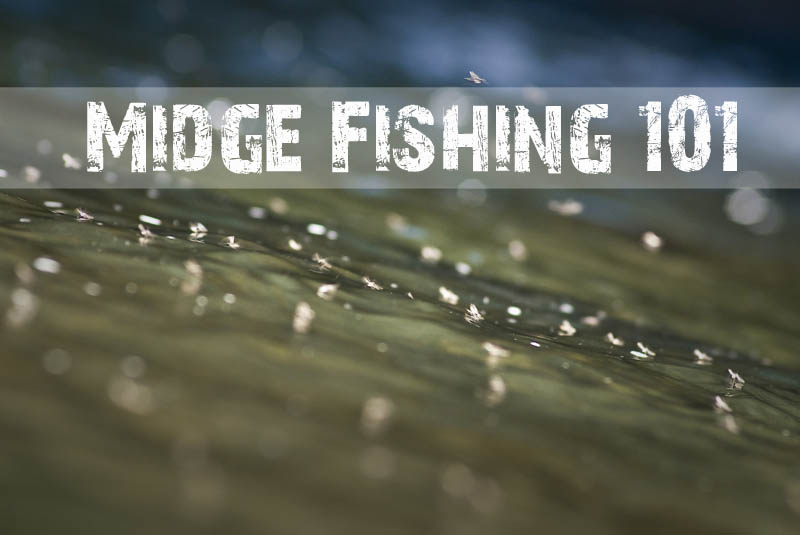
There’s no doubt there are times when big flies are the ticket for catching big fish. However, when you find yourself fly fishing on technical trout water and the bite is extremely tough, in many cases, it can provide you with big rewards if you put up those big gaudy fly patterns and break out your midge box. This especially holds true during the cold months, when you’re fly fishing to educated trout on technical spring creeks or high-pressured tailwaters. As fall passes, and we find ourselves smack in the middle of winter, most of our larger bug hatches will have long faded. This time of year, most trout will transition into consistently feeding on the most abundant food source that requires the least amount of energy to consume. On many of our trout waters during the winter, the most predominant aquatic bugs available for trout to eat, day in and day out, are midges. Now, it’s true that the colder the water, the lower a trout’s metabolism will be. It also is true, that the lower a trout’s metabolism is the less calories it is required to consume daily to survive. That’s because a lower metabolism burns off less calories. But what’s not true, and a very common misconception among trout anglers, is that all trout feed in less frequency when their metabolism is lower in the winter. What many anglers don’t realize is there’s a direct correlation between the feeding frequency of a trout and the food value of what it’s foraging on. For example, one could argue that big mature trout that primarily feed predatorily on large food sources (crayfish, sculpins, baitfish, mice, and juvinille trout), do feed in less frequency during the winter. However, that’s probably because the food sources they are targeting and foraging on … Continue reading
Read More »