
Is The Orvis Helios 3 The Most Accurate Fly Rod Ever Made?
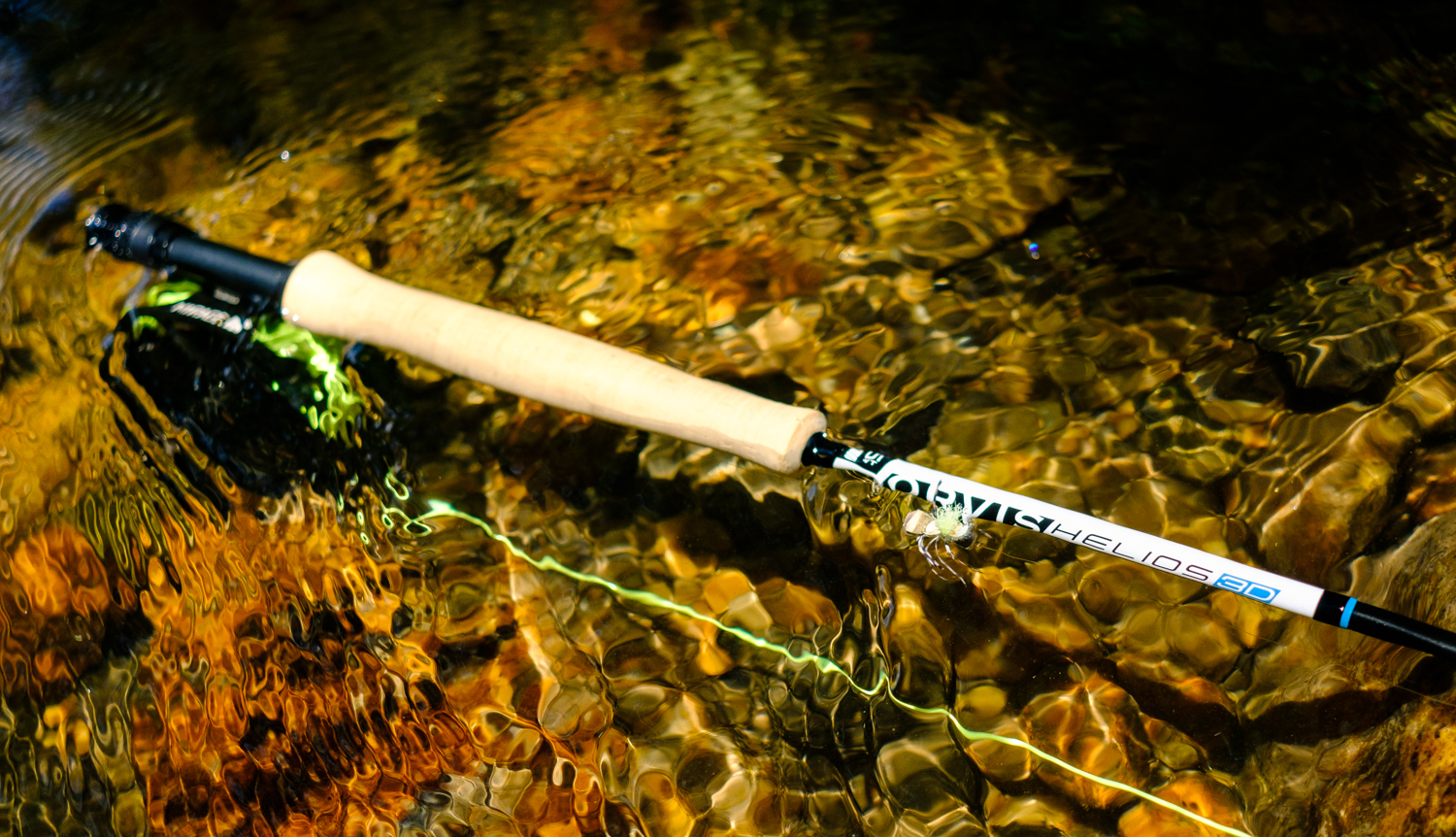
The Orvis H-3 is clearly one of the best fly rods to ever leave the Orvis shop, but it’s not all about the long cast.
The buzz around IFTD this year was heavy on the rod-talk. Just about every major fly rod manufacturer was brandishing their newest, tech-packed stick. At the head of the pack was the Orvis Helios 3. Developed with new materials, actions, and tapers, the H3 certainly has some big shoes to fill. The H2 was one of the best rods on the planet, with the one-piece models being some of the best rods I’ve ever thrown. Replacing the H2 was a task that Orvis did not take lightly.
The H3 comes in two different flex families. Departing from their traditional “tip flex” and “mid flex” monikers, the new Helios is available in “HD” (distance) and “HF” (feel). The hardware and aesthetics are pretty much the same for each rod with the blank color and accent colors being the only difference. The “HD” rods wear matte black, while the “HF” sports a stealthy grey. Aside from the matte black finish on the “HD”, the comfortable modified full wells grip was carried over from the H2 Covert. (Thank you Orvis!) The reel seat is machined in the same U.S. factory where the new Mirage reels are manufactured, and finished with a graphite insert. The blank is laser-straight with REC recoil snake guides and SiC/titanium stripping guides. I’d like to see some sort of a hook keeper (mainly on the heavier rods… think streamers), but it’s certainly not a deal breaker. Of course, the rod comes with a rod sock and a white aluminum rod tube that resembles the rod’s eye-catching branding.
Lets go ahead and deal with the elephant in the room…. That label…. What’s up with that?
Well let me tell you… No doubt, there are those that will hate that label. Why? It’s different. It’s bold. It demands your attention and it is far from traditional. But it is also genius. Standing out in a crowd of fly rods can be tough. Just about every rod is green, black, blue, or brown-ish without much else to set them apart, aside from their finish and craftsmanship, which can only be seen when in hand. Orvis has set the H3 apart from the crowd and we haven’t yet begun to speak on its performance, which is something to be excited about.
The idea behind the H3 design is evident. While most premium fly rods push high line speeds and long casts, Orvis wanted to develop the most accurate fly rod on the planet.
Orvis took on replacing the Helios 2 with an aggressive approach. It was not a redesign but a ground up rebuild. New tapers and materials were rolled into the blanks, but it’s what they did with those new blanks that makes the biggest difference in the performance of the H3. Developing new software and
Read More »Sunday Classic / Choose Fly Color Based on the Flat You’re Fishing
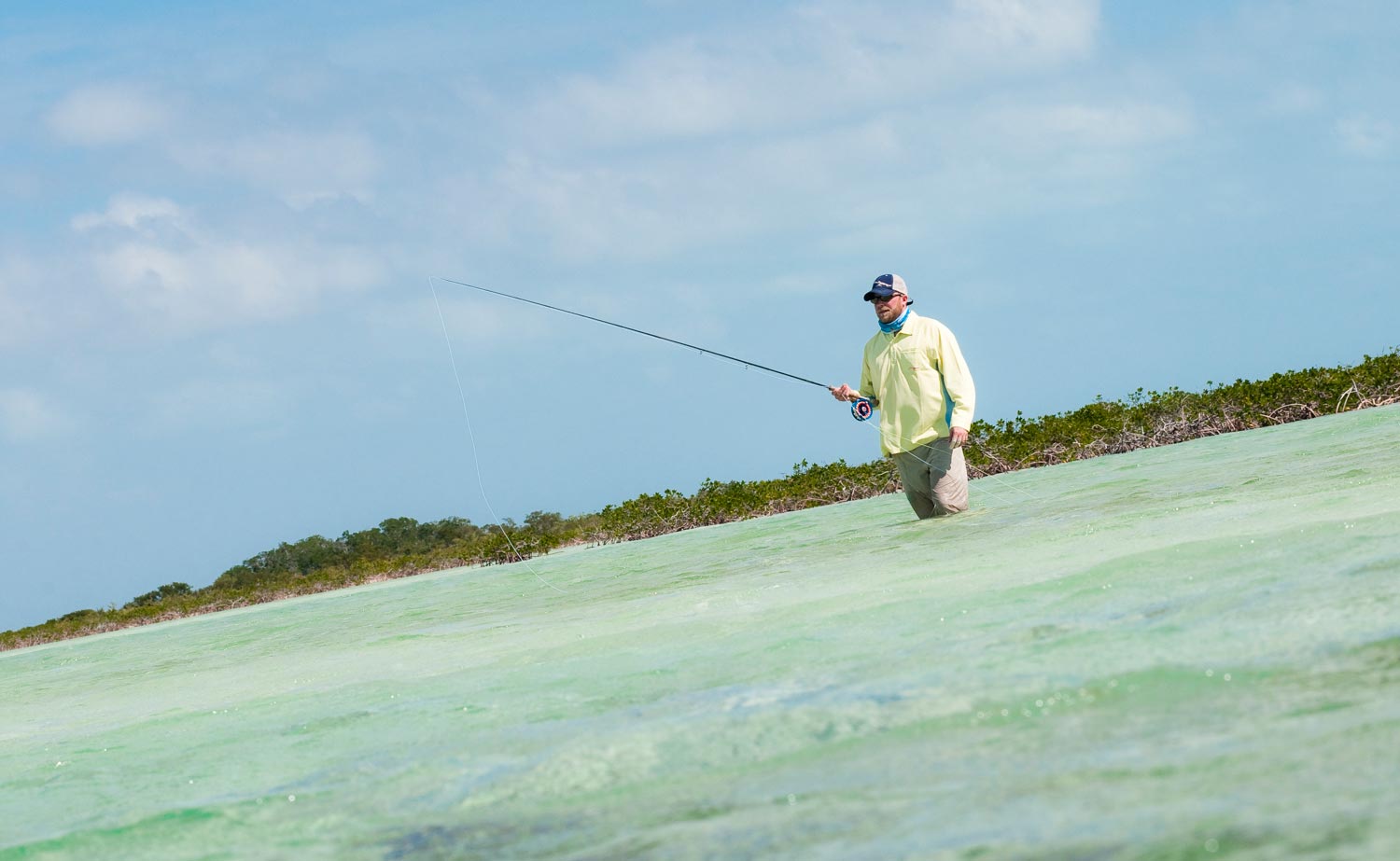
I’ve always thought in the broad scope of things that trout fishing calls for more complex decision making over saltwater fly fishing in terms of what goes into choosing the fly patterns we fish. I think a lot of that comes from the simple fact that conditions can change on an hourly basis on our trout streams and also that there’s hundreds of species of aquatic insects found on many of the trout waters we fly fish. However, the more I fly fish in the saltwater, the more I’ve come to understand how inaccurate this past notion of mine is. In many cases, fly pattern choice is just as important in saltwater fishing as it is in freshwater fishing. And If you want to maximize your success fly fishing in saltwater, you need to pay close attention to your surroundings and the ecosystem your fishing, just like you do on your trout water.
Read More »Saturday Shoutout / S.C.O.F. Fall
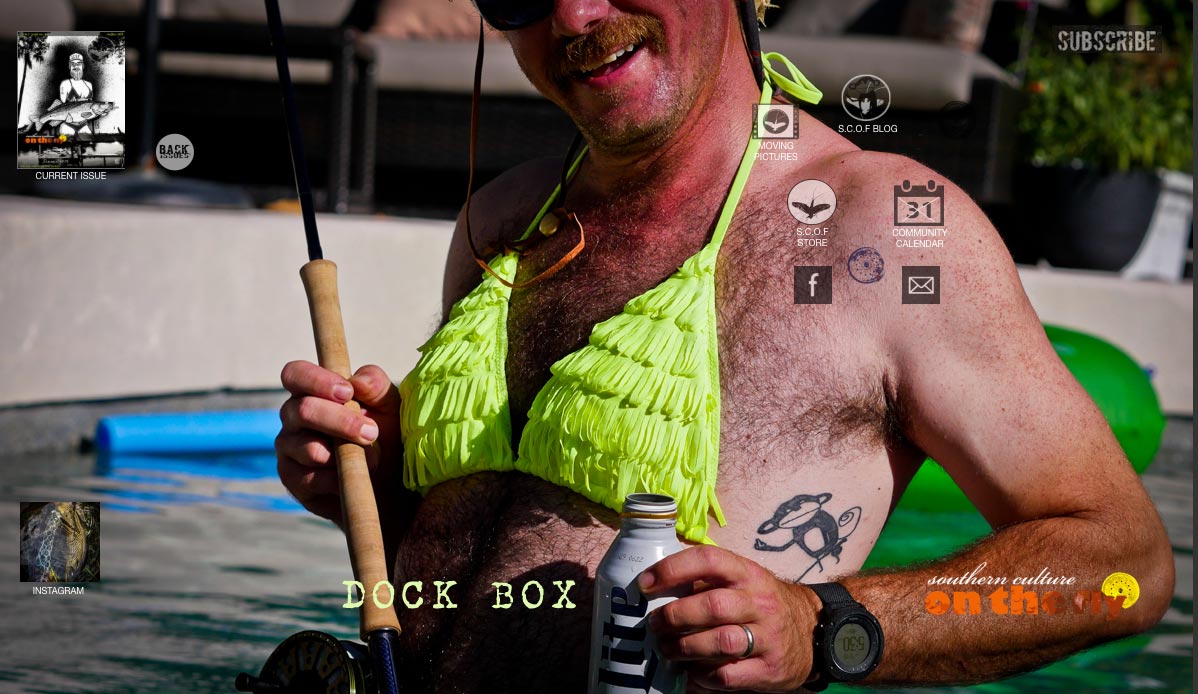
Still the coolest thing on the fly fishing internet.
Surly Monkey is back with more shenanigans, tomfoolery and horse-play. Check out the fall issue for Cuban tarpon, the cicada hatch, smallmouth candy, True Wild Florida and (gulp, I can’t believe I’m typing this) Dave Grossman in a bikini. There’s plenty you will not be able to unsee in this issue of Southern Culture on the Fly.
S.C.O.F. FALL 2017
Read More »New Packs and Bags From Fishpond
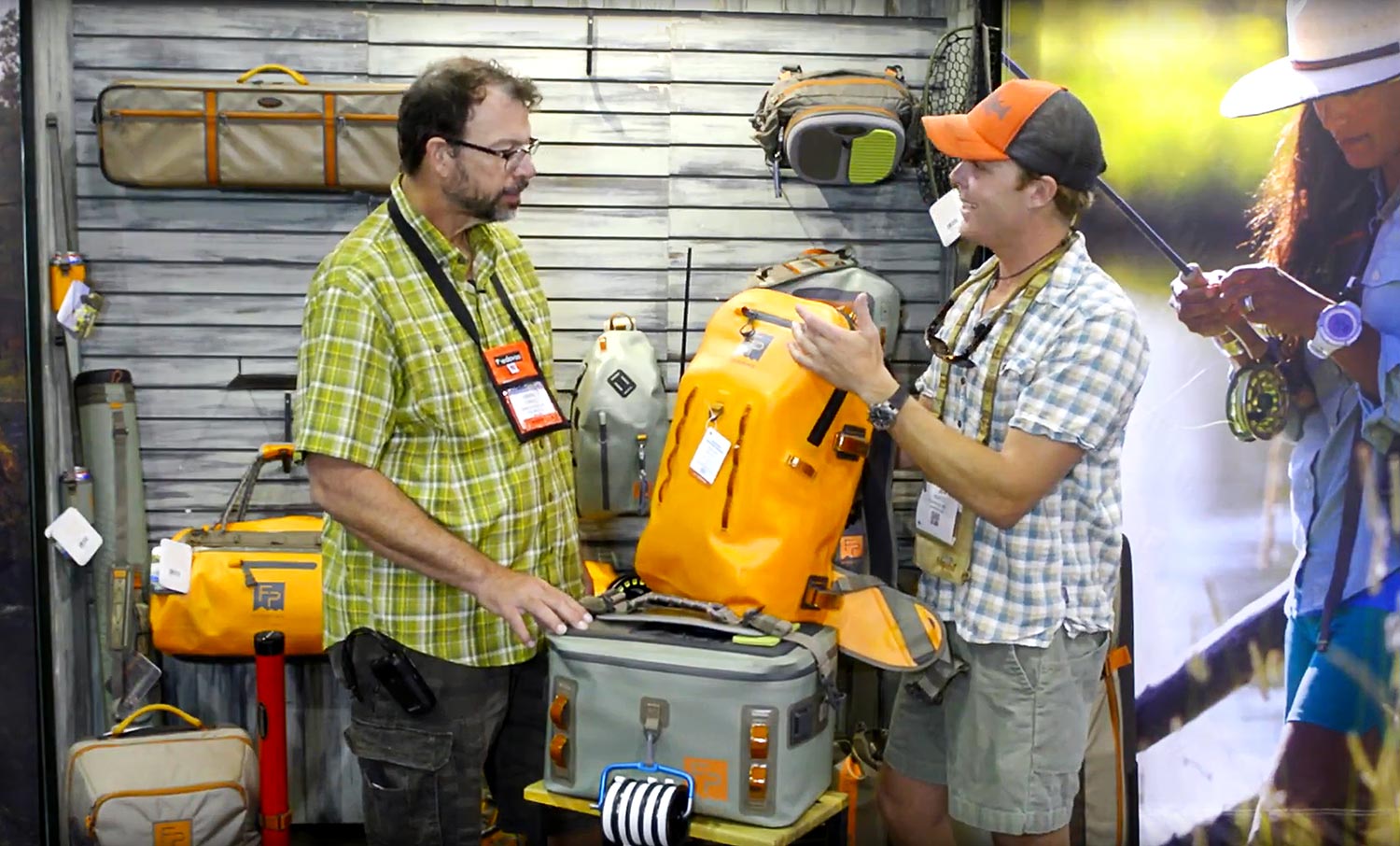
I always look forward to seeing the new Fishpond gear at IFTD.
I always know I’m going to see something cool. This year is no exception. The folks at Fishpond have redesigned most of the line with an emphasis on durable recycled fabrics, easy access and waterproof technology.
In this video Ben Kurtz Walks us through the features of several new products including the new Thunderhead Backpack, boat bag, some new luggage and the Quick Shot rod holder. Some really nice design in these new products.
CHECK OUT THIS VIDEO TO SEE WHAT’S NEW FROM FISHPOND.
Read More »Hellgrammite, The King Kong of Aquatic Insects
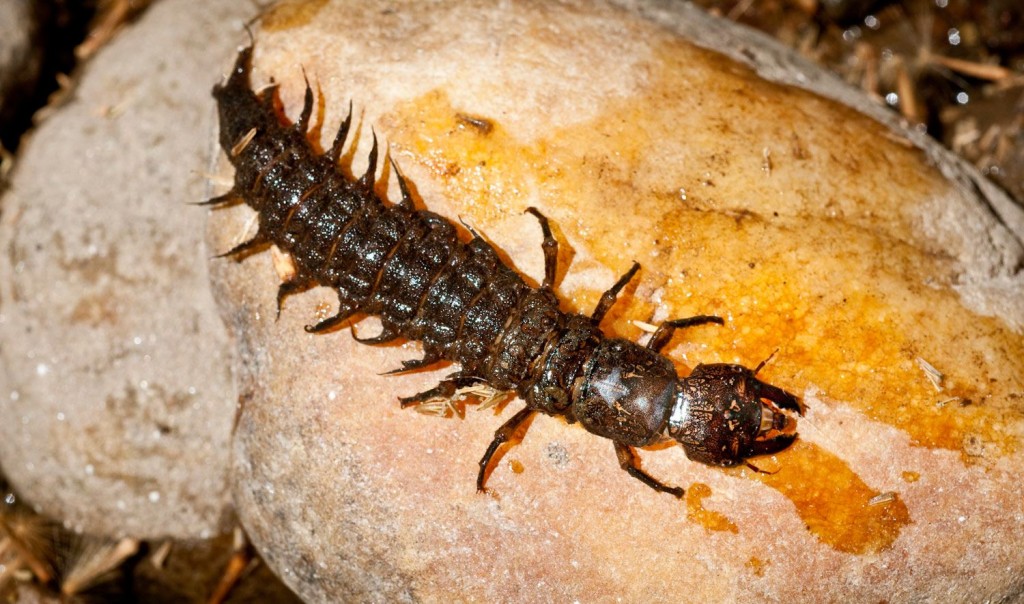
I WAS ON THE WATER TROUT FISHING THE OTHER DAY, WHEN MY BUDDY ERIK ASHLIN SAID, “IT WAS JUST ABOUT THIS TIME LAST YEAR, WHEN ALL THE HELLGRAMMITES BEGAN CRAWLING INTO THE SHALLOWS TO BEGIN THEIR PUPATION.
Let me flip over a rock and see if I can find one real quick, these guys are wicked looking”. No joke, the first rock Erik turned over, this freaking giant 3″ Hellgrammite was laying there with its jaws of life (mandibles) snapping. It was very clear it was gesturing, “come on, get closer…, let me get a piece of you”!
If you ever get the opportunity to examine a big Hellgrammite up close, there will be no doubt in your mind that the Hellgrammite is the King Kong of all aquatic insects. Be careful handling them because they can pack one hell of a painful pinch capable of breaking the skin. Hellgrammites are like a five course meal in terms of food value to trout. I’d lay a bet they pack every bit as much caloric worth as sculpins and crayfish do. Great times to fish hellgrammite imitations are during high flows after heavy rains. During these conditions, they often get dislodged from under rocks and swept down stream. Hellgrammites are also very vulnerable during behavioral drifts, when the larva are searching out new feeding grounds or better water conditions.
If you’re trying to tempt a trophy brown trout, rainbow trout, or smallmouth bass into eating,
Read More »Sunday Classic / Expressionist Brown
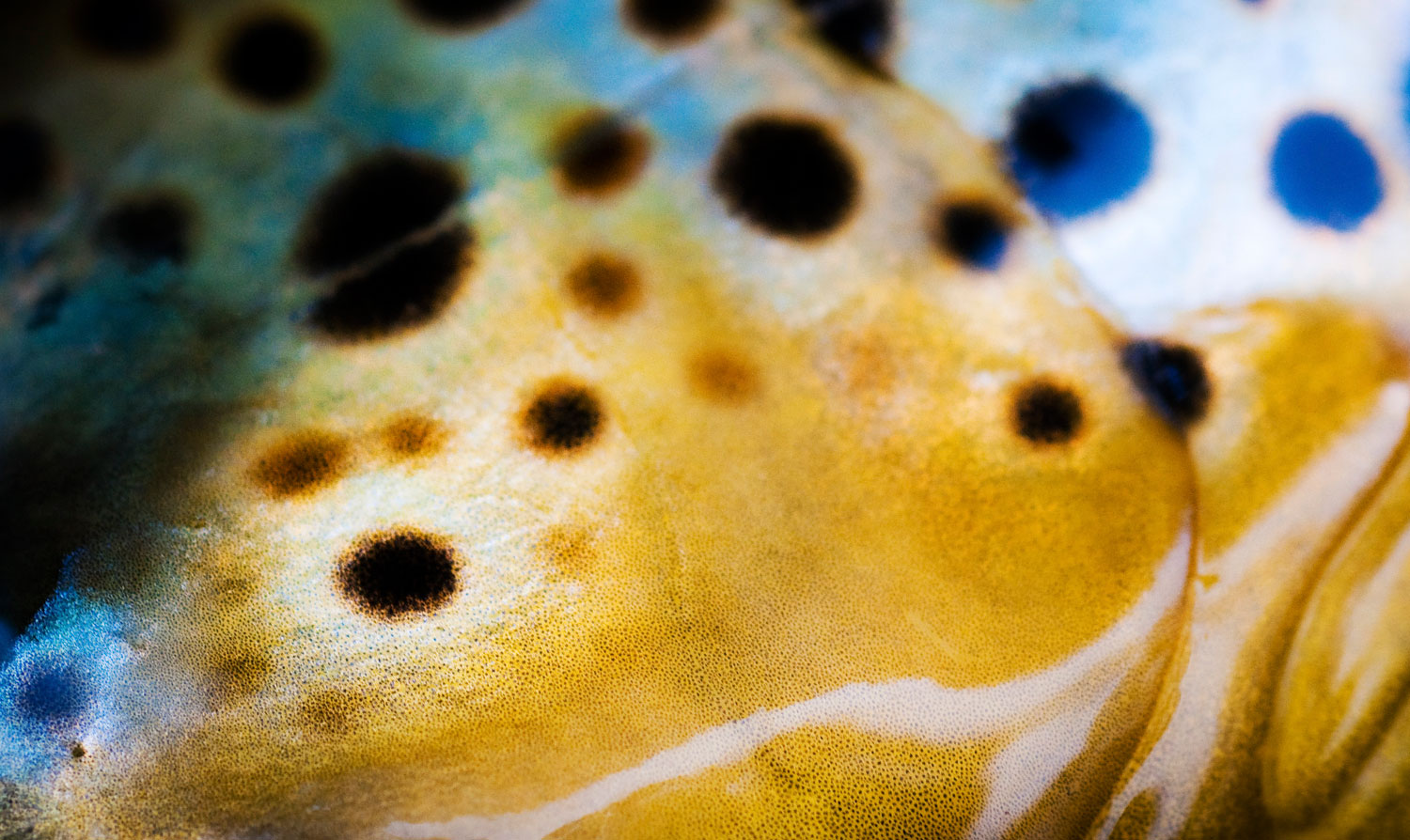
Study the stream bed, brown and green. Through ripples and reflections, we find rocks and wood, maybe a shining piece of metal someone has left behind. Even the flash of a flake of mica in the sand, no bigger than a fishes scale. How is it that we miss the trout.
Gliding above the mud and stone he is emerald and gold, vermillion and azure, violet and blaze. He is metallic, kinetic, aesthetic. Perfect in his camouflage, he is at once breathtaking and invisible.
Look closer, he is abstract. He is pointillism, he is impressionism, he is surrealism. He is cubist, fauvist, and expressionist, he is Monet, Van Gogh and Miro. He is Blake’s world In a grain of sand. Infinity in the palm of your hand.
He is beauty, and like all beauty, he vanishes into the mundane. It is a failing of the human eye, or maybe of the heart. He is truth, and like all truth he is
Read More »Saturday Shoutout / Drawing the Lines
“ONE PERSON FISHES ONLY DRY FLIES, BUT THE NEXT FISHES DRIES TO RISING TROUT ONLY INSIDE PERFECTLY CIRCULAR RINGS. ANYTHING LESS IS SIMPLY UNSPORTING, YOU SEE.”
Fly fishers are a funny lot, to be sure. I’ve often said, “If there’s not an argument, it isn’t fly fishing. This Saturday we bring you a little wisdom on the topic from Domenick Swentosky at Troutbitten. Have a read and see where you draw the line.
“WHERE THE LINES ARE DRAWN”
Read More »New Orvis Ultra-Light Wading Gear: Video
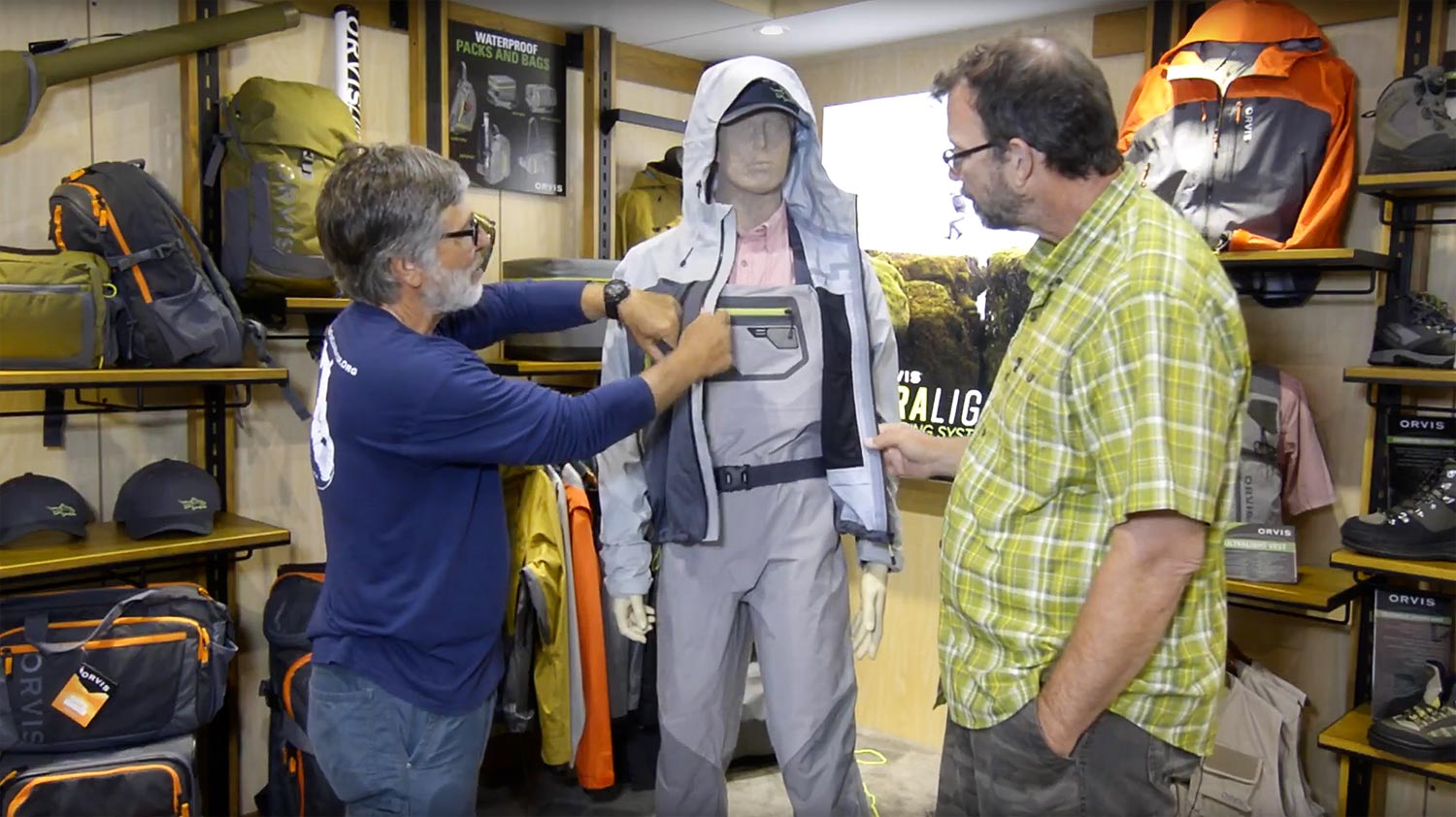
Orvis had some new wading options for anglers on the go.
The new Orvis Ultra-Light Waders, boots and jacket were designed with the traveling angler in mind. They offer durable wading solutions with out the weight or size of traditional wading gear. The new seam technology almost doubles seam strength in the waders and new coatings add durability to the boots. These are a great option for anglers who fly, or just don’t want to be weighed down.
WATCH THE VIDEO FOR ALL THE DETAILS ON THE ORVIS ULTRA-LIGHT WADING SYSTEM.
Read More »Better Down Stream Presentations & Drifts
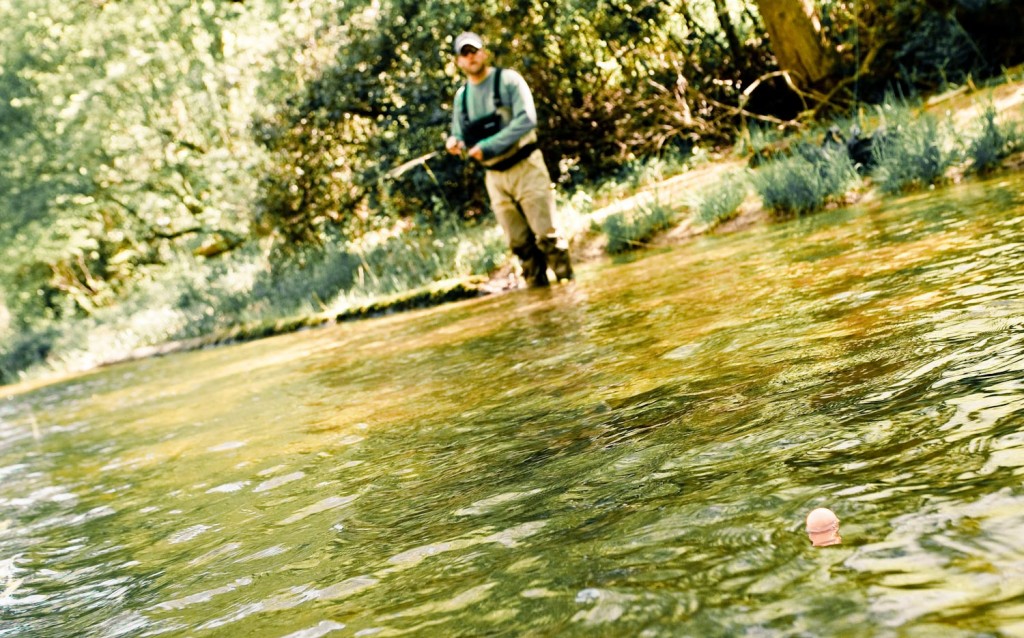
HOW MANY TIMES HAVE YOU BEEN TROUT FISHING AND SPOTTED A BIG TROUT POSITIONED DOWN AND ACROSS STREAM OF YOU FEEDING?
I know I’ve seen it plenty of times on the water, and it always seems like those fish are always positioned just out of reach for me to get a regular cast and drag-free drift over them. Right before my fly reaches the fish, I run out of slack as my fly line comes tight, and I get unwanted drag on my fly. Presenting your flies this way to educated fish can often end up putting them down. If you find yourself in this situation you need to be ready to smoothly and quickly kick out extra fly line out the end of your rod tip during your drift. Executing this properly you’ll be able to maintain enough slack to extend your drag-free drift so your offering can make it to the fish, and have a good chance of being eaten.
I see fly fisherman all the time try to use a shaking motion with their rod tip to kick out extra fly line and extend their drift. Most of the time this doesn’t work very well, because it’s really difficult for you to let out fly line fast enough, and keep your flies from moving all over the place in the process. Watch this video below as I demonstrate how to properly present your fly down and across stream to a feeding trout, and smoothly kick out extra fly line to maintain a drag-free drift. It will take a few minutes for first-timers to get the hang of it, but once you do, you’ll have the technique mastered forever.
Read More »The Stickman P-5 Fly Rod Reviewed
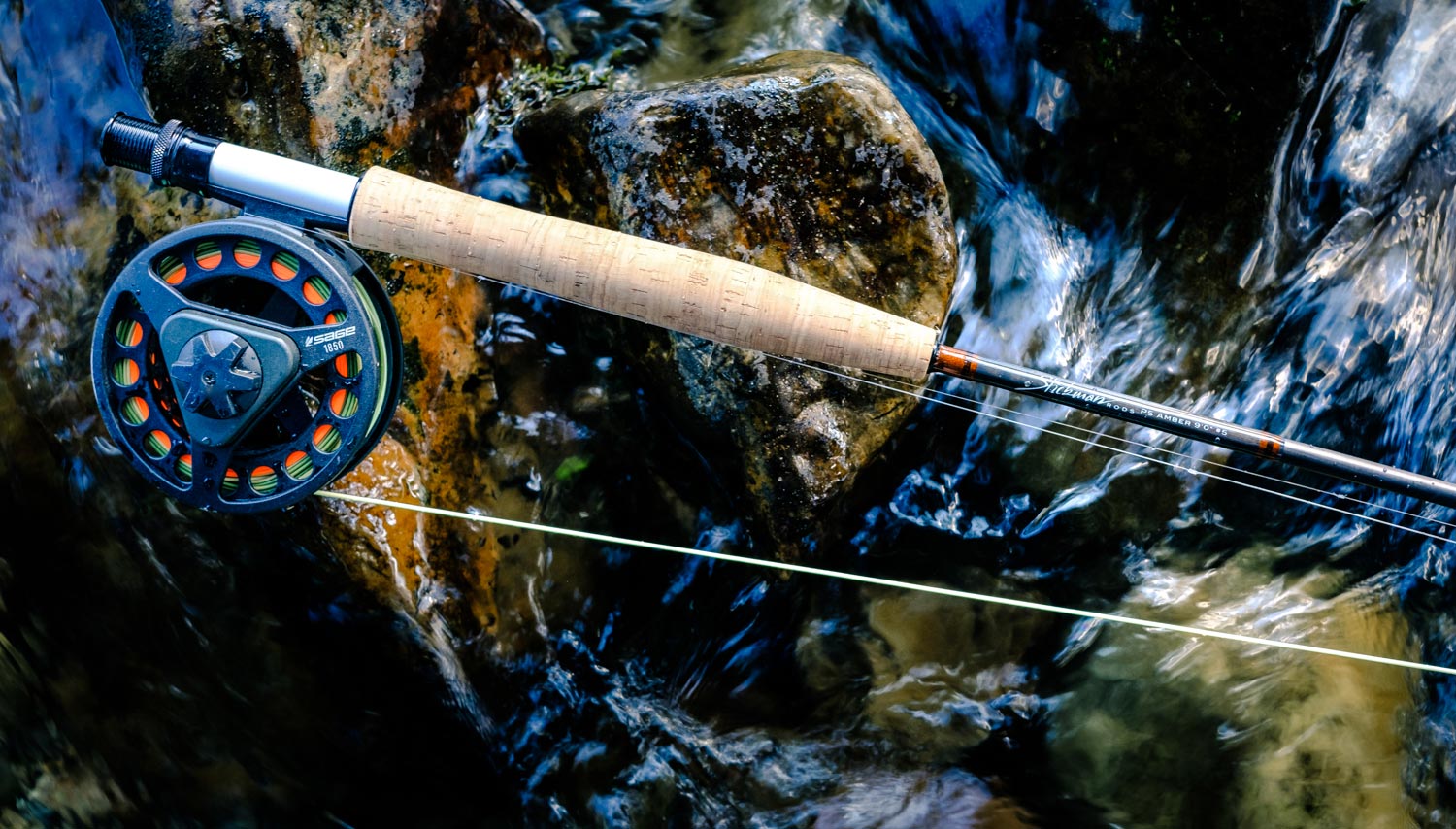
As soon as you take the Stickman P-5 out of it’s tube you know you have something special.
The leather patch sewn to the tube, which bears the name Stickman, and the natural linen rod sock trimmed in black are your first clues that this 9-foot, 5-weight was made with exceptional attention to detail. When you slide the rod from the sock, it does not disappoint. You instantly know that you are holding a hotrod.
The matte finish and transparent wraps are striking. You can tell it’s a very high modulus by the sound the sections make as they touch. The rod is extremely light, due in part to the delicate single foot guides and aluminum reel seat. When you fit it together and give it a shake, you feel power and a blistering recovery rate. You instantly know it’s a caster.
What you will not find out until you get it on the water is what a remarkable fishing tool it is. There are a couple of very cleaver design elements, which make the P-5 a unique tool. Being a Hungarian company, Stickman seems to be free of conventions, which dominate American rod design, giving them a very clear vision and allowing them to produce a rod which is more than it might appear.
My first assumption was that this rod would be another fast-action distance casting rod. The kind of rod which shines at the casting pond, but not necessarily on the river. While there is plenty of power here to launch a line, you quickly find that the emphasis is on precision and not distance. The P-5 will not let you down when you need to reach a distant riser but that’s not what you’ll love about it. When you start to target pockets and fish under stream-side cover you’ll find that the P-5 feels like a laser pointer.
The P-5 is capable of making loops which are remarkably tight and clean. I want to be very clear on this. Casters make tight loops, not rods, but all rods are not equal. A great rod will not fix your casting problems but it will reward good technique. The P-5 does this in spades. On closer inspection I’ve developed a theory on how it’s done.
Read More »