
Down The Hatch October 12th
By Justin Pickett
The time of year has come around for the annual Down The Hatch Film Festival here in Atlanta, GA!
On October 12th, Orvis, Chattahoochee Riverkeeper, and Sweetwater Brewing Co. will be bringing anglers and outdoorsmen and women together for brews, food, films, and fun in order to help support the “Quality Hooch” campaign. The Chattahoochee River is, without a doubt, the life-blood of Georgia. Whether you’re ITP, OTP, or way the hell out there, the health of the Chattahoochee’s waters probably has an impact on you in some way or another. Without the “Hooch” as we lovingly know it, anglers such as ourselves wouldn’t be able to enjoy the countless fishing opportunities that its waters provide.
Aside from fishing, the Chattahoochee supports a number of other recreational activities that draws over three million visitors to its waters and banks annually. Having such an incredible resource so close to such a large metropolitan area is amazing and valuable beyond compare. The “Hooch” certainly deserves our best efforts to keep her waters running as clean as possible. But it’s going to take work.
Come help us raise money and awareness for the Chattahoochee River while kicking back with a cold beer and some fish-porn. Several fly shops and outfitters will be present with products and swag, and of course you know there will be raffles. Rods, gear, T’s, trips, and the list goes on! Don’t miss out on a great night with your fellow anglers, as well as a great way to give back to our Chattahoochee! We hope to see you there!
GET THE DETAILS HERE. HTTPS://CHATTAHOOCHEE.ORG/DOWN-THE-HATCH-FILM-FESTIVAL/
Read More »Sunday Classic / The UV Chocolate
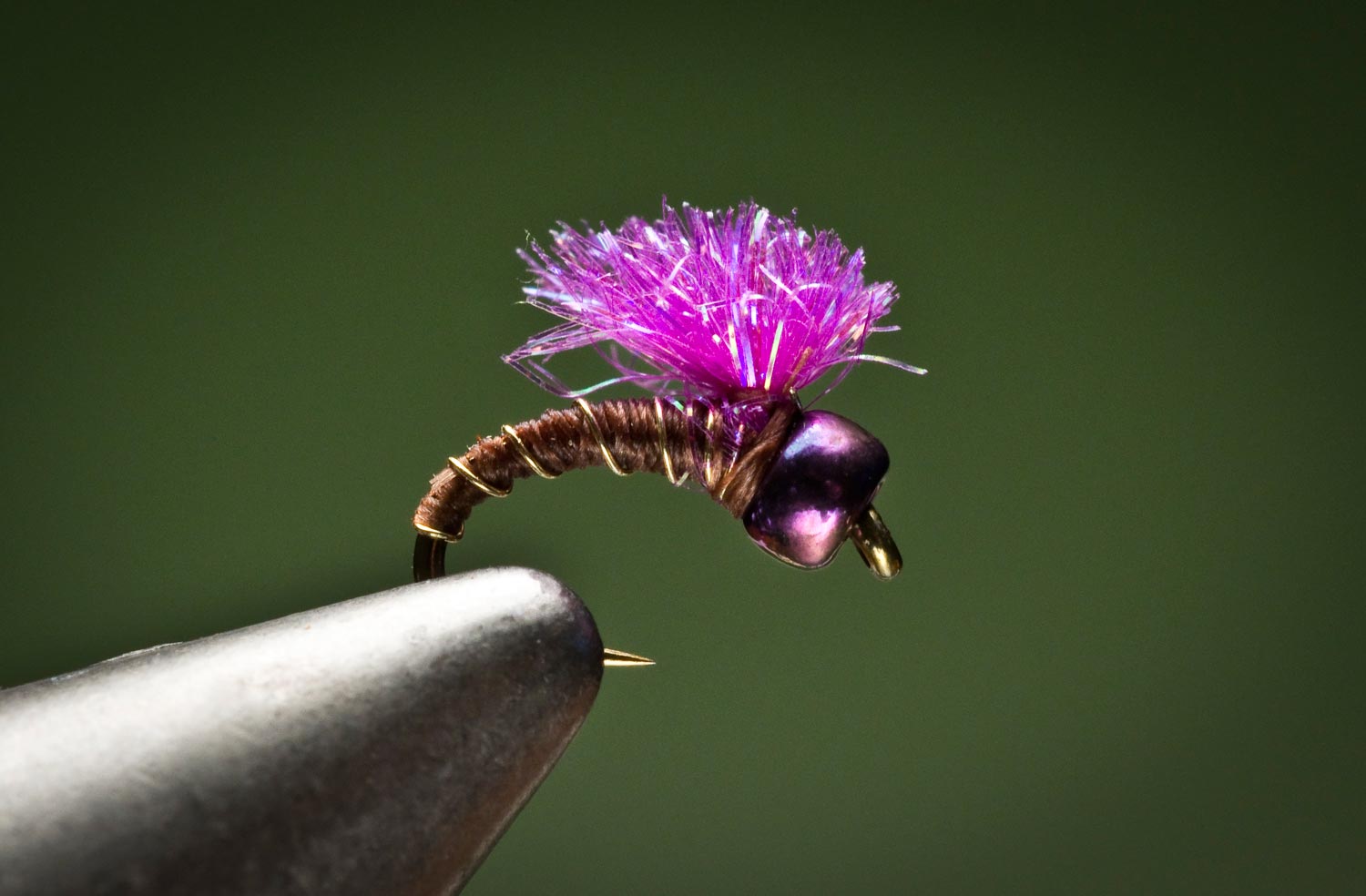
HAVING AN EFFECTIVE SELECTION OF MIDGE PATTERNS CAN MAKE THE DIFFERENCE BETWEEN A GREAT DAY OF TROUT FISHING AND A DAY OF SELF LOATHING.
Often days when the midge bite is at its best nothing much else seems to be happening hatch wise. That’s an important reason to know your midges. They can make the difference between catching a lot of fish or no fish.
It’s not uncommon to see great midge hatches on cold overcast days when other bugs stay home. The great thing about the UV Chocolate is that these are the conditions where it shines. No really, it shines. The the UV ice dub wing, which already reacts to UV light is also treated with Spectrum Responce for extra highlighting.
Trout’s eyes are highly sensitive to UV light and they use that sensitivity to find food on dark days or when water clarity is low. This flys highly reflective UV profile makes it a great tool on overcast days when midges are present.
Watch the video and learn to tie the UV Chocolate.
Read More »Saturday Shoutout / Jim Harrison, Older Fishing

Many of us were young when we began to fly fish, but none of us will be young when we are done.
Everything changes as we get older and our fishing is no exception. Somewhere between experience and infirmary we find ourselves looking at the water with new eyes and in our boots we find different angler. As the river never stands still, neither does the angler.
This essay by author Jim Harrison is honest and enlightening. Young or old, it’s well worth your time.
“OLDER FISHING”
Read More »New Fly Lines and Backing From Scientific Anglers
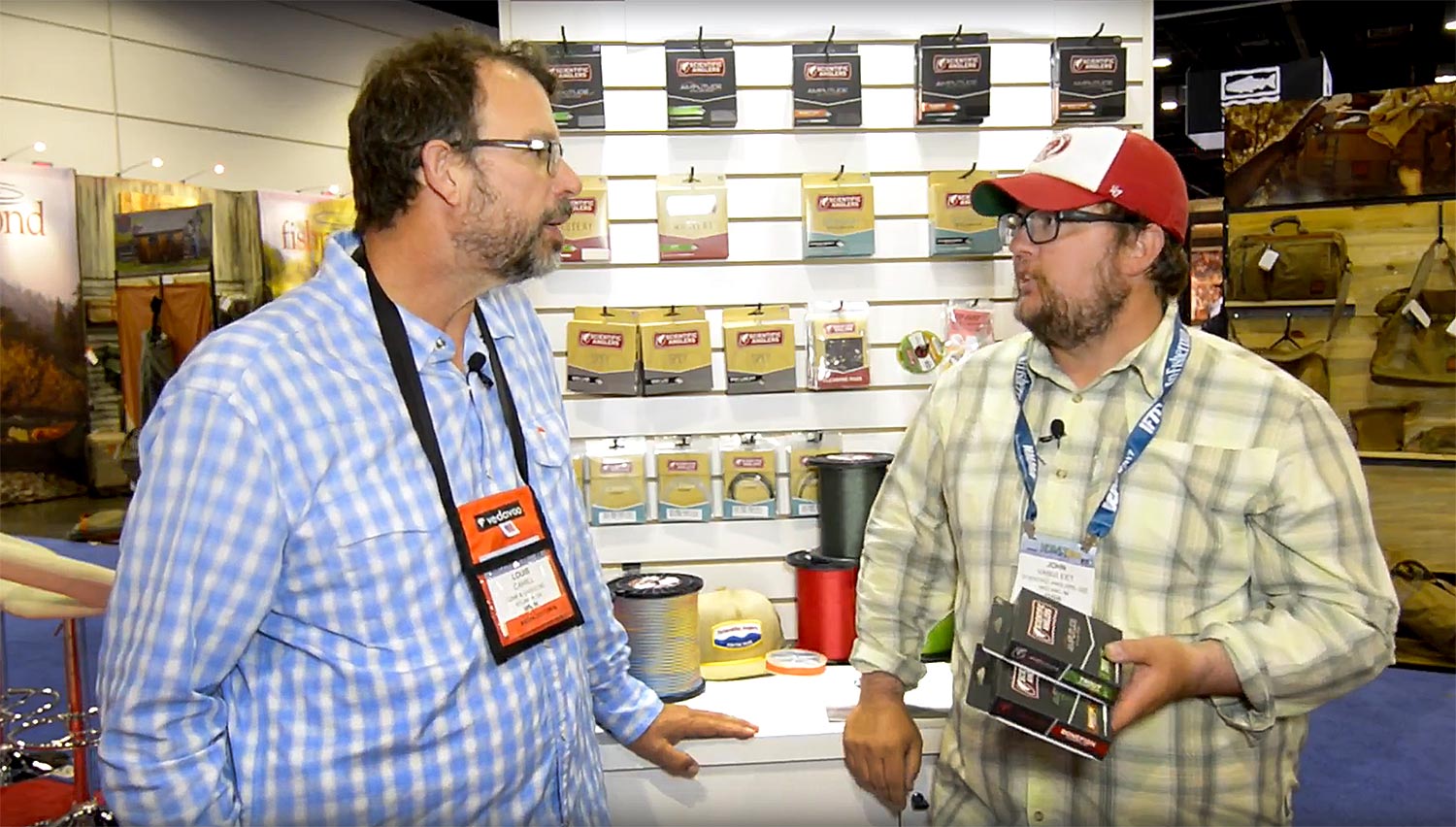
How would you like a fly line that lasts 8 times longer?
SA’s testing indicates the their new Amplitude fly lines are delivering that kind of performance. There are two new additions to the Amplitude line. A bonefish Taper and Trout taper. Both are true line weight lines packed with features.
Also new this year are tricolor Dacron backing. This great looking backing changes color every 100 feet, so when a big fish runs, you know how much backing is out. that’s valuable information for fighting big saltwater species.
WATCH THE VIDEO FOR ALL THE DETAILS ON NEW FLY LINES AND BACKING FROM SCIENTIFIC ANGLERS.
Read More »RS2 – One of My Favorite Picky Trout Fly Patterns
By Kent Klewein
There’s days when trout fishing is so slow, it seems like conditions couldn’t possibly get any worse.
You may find yourself questioning if any trout in the stream are willing to feed at all. At other times, you’ll have no problem locating pods of steady risers, but everything you throw at them is rejected. My buddy Brad in this situation usually volunteers to row the boat, opting for cold beer within arms distance and gazing at picturesque landscapes. The dude always has a Plan B ready to be put into action, ensuring he always has a good time on the water whether he catches fish or just a buzz, and I respect that.
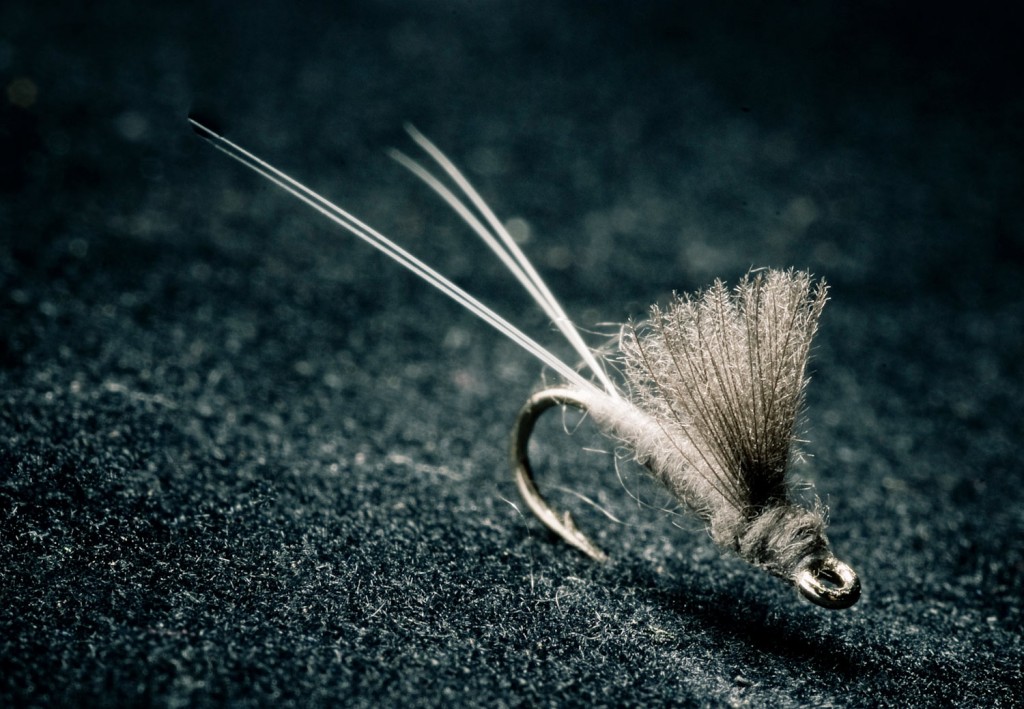
The RS2 fly pattern time and time again never fails to produce for me during tough fishing situations. And it really has the ability to catch fish just about any way you fish it. Fish it solo on fine tippet to wary sippers and you’ll fool a couple guaranteed. Drop it off the back of a larger and more visible dry fly if you’re having problems seeing it, and it will ride in the film, usually fooling fish on even the most technical trout water. I even have great luck fishing an RS2 as
Read More »Sunday Classic / 6 Tips for Executing a Proper Figure-Eight Retrieve
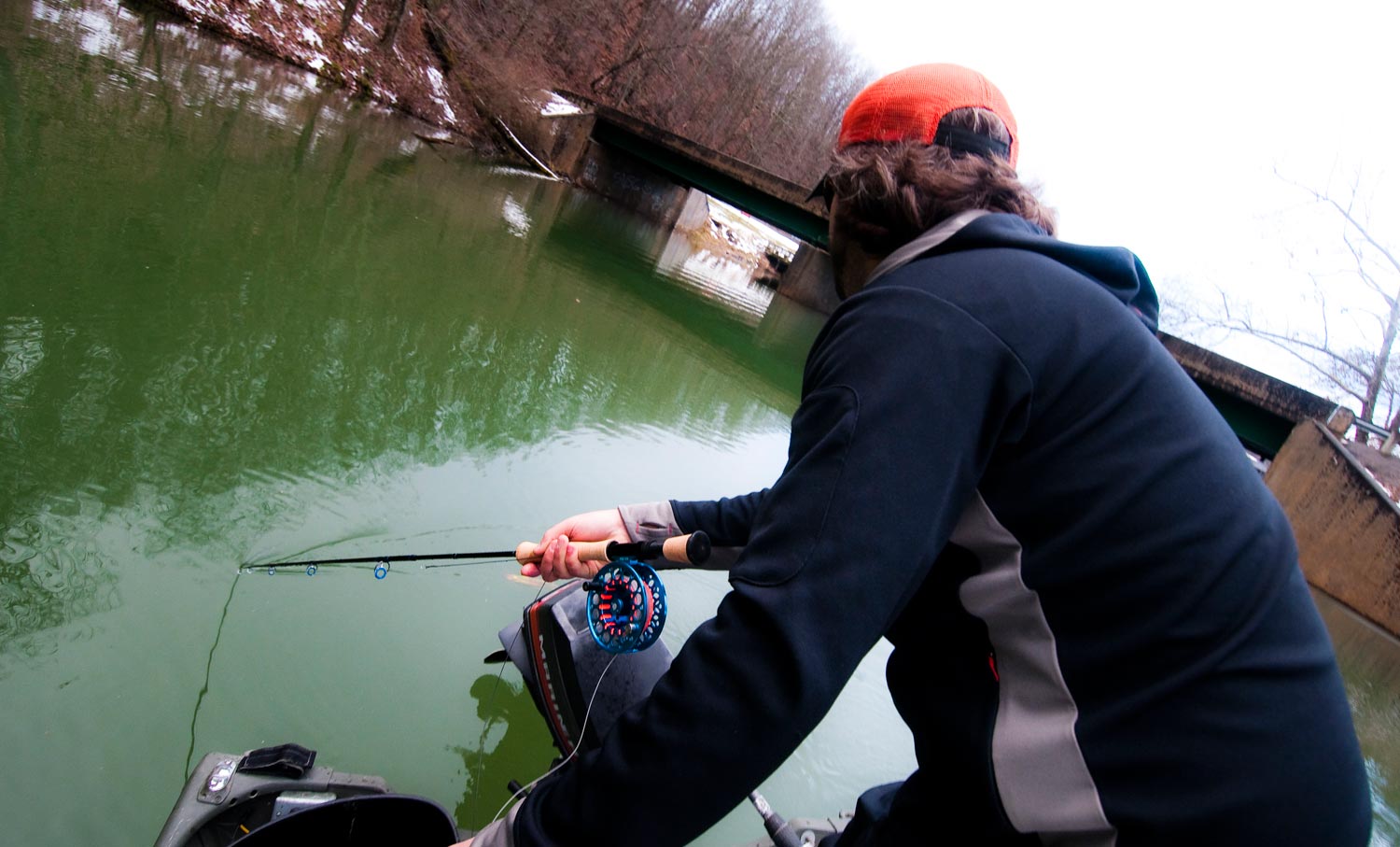
For the first time, this year, I got to experience the thrill of watching a musky devour my bucktail streamer right at the boat during a figure-eight retrieve. I had dreamed of witnessing this first hand for years, and I have to say, it live up to all the hype. You get a huge adrenaline rush every time you lure a musky into following or eating your fly during a figure-eight retrieve. I think this one aspect of musky fishing alone, is why so many anglers fall in love with musky. Although I’ve heard of anglers catching trout, striper and other species with a figure-eight retrieve, musky by far, provide the highest success rate of all game fish for using it. Musky seem to spook far less than other game fish when they’re in hot pursuit after prey, and that’s the main reason this niche retrieve works so well for them. I totally screwed the pooch on my first couple opportunities to use the figure-eight retrieve for musky. This unorthodox retrieve takes a while to get used when you don’t regularly practice it. Done wrong, a figure-eight retrieve will fail to trigger eats. Luckily, during my trip, I had my good friend Charlie Murphy, a genuine musky bum, give me some pointers. Below are six tips to get you executing a figure-eight retrieve like a pro.
Read More »Saturday Shoutout / Know When To Hold ‘Em
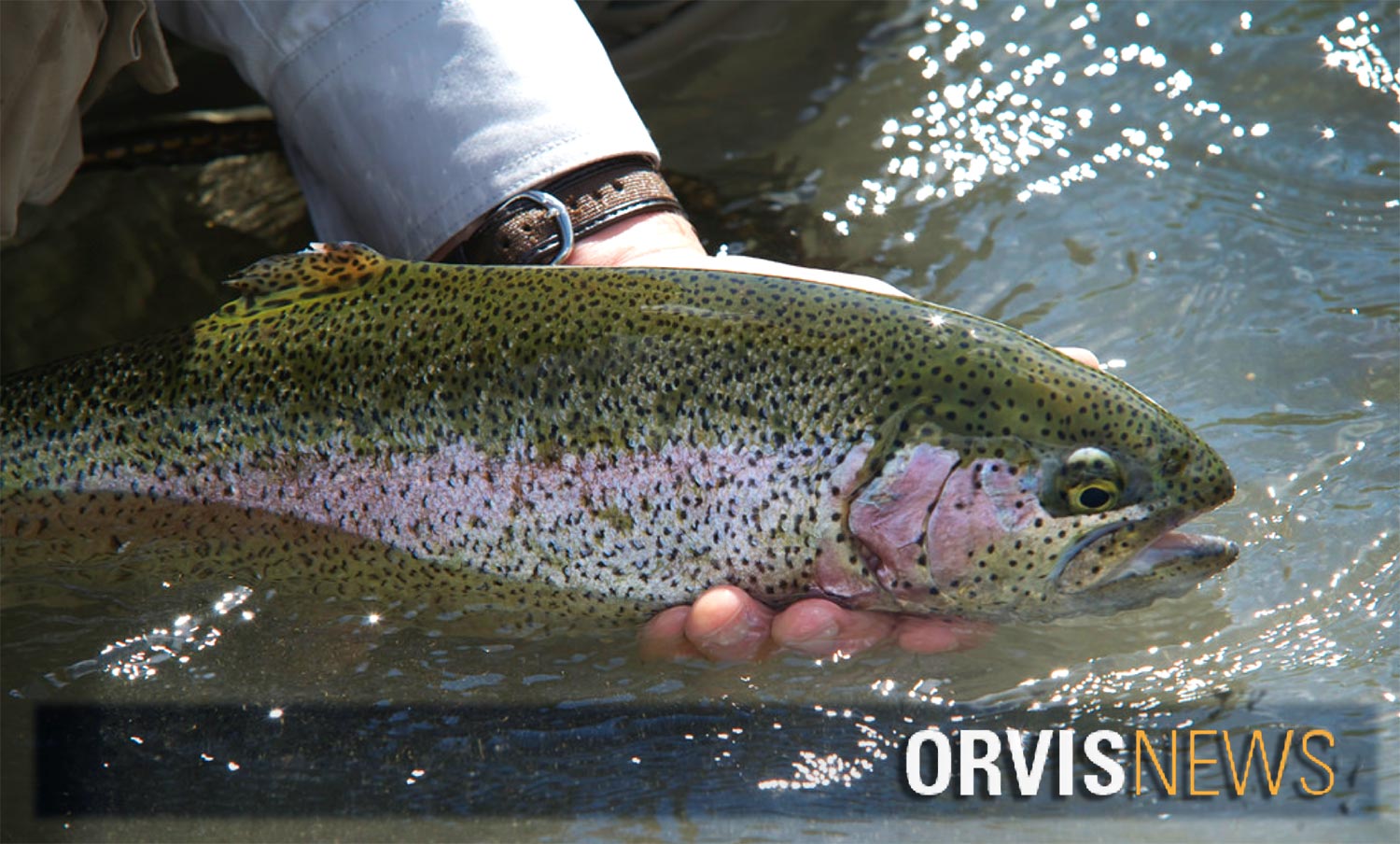
Some interesting perspective on Grip and Grin photos from the folks at orvis News.
There is always controversy around hero shots of angers with their catch. While I personally support responsible grip-and-grin photography, not everyone is on board. Not everyone is responsible either. This piece by Phil Monahan takes a thoughtful look at the issue and calls on some experts for advice. It’s conclusions are hard to argue with.
Take a look and tell us what you think in the comments section.
WHY SO MUCH CRITICISM OF “GRIP AND GRIN” PHOTOS?
Read More »New Fly Rods and Reels From Redington
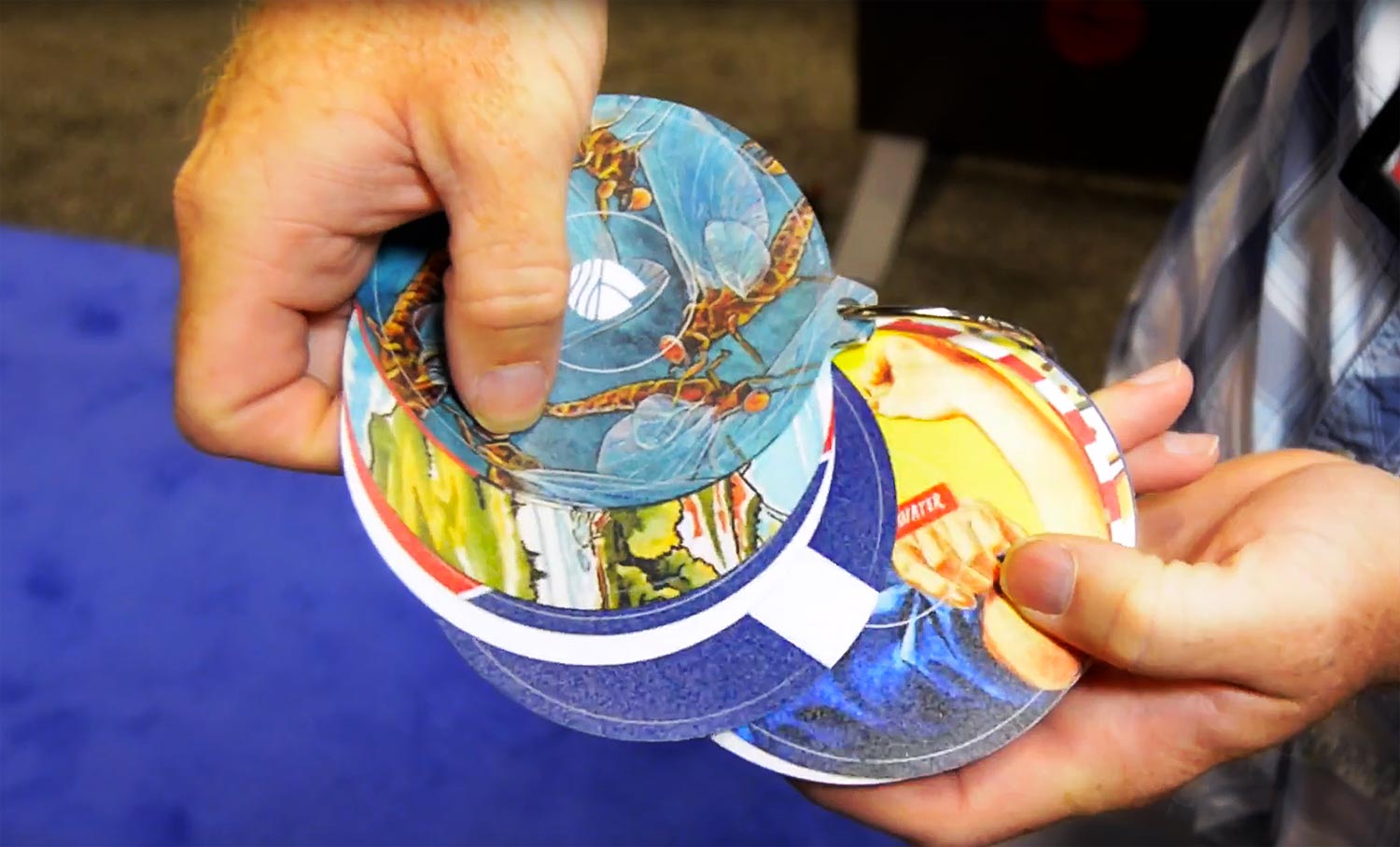
Redington made a strong statement about identity at this years IFTD show.
About their own identity, and about yours. The new I.D. reel is one of the smartest designs I’ve seen in years. The reel itself is simple, functional and affordable but what sets it apart are the custom I.D. badges available for it. These badges allow the user to quickly make a strong visual statement about themselves and their fishing.
This is sure to be controversial. I can tell you right now, if you are the guy searching for an antique Hardy, this is not going to be your thing. If, however, you are one of the growing number of young anglers who don’t take themselves too seriously, you may just love it. As an aging punk-rocker who plastered my guitar with stickers, I do.
Check it out and let us know what you think in the comments section.
There is also a new top-of-the-line fly rod. The Crux is a welcome, fast action addition to the Redington lineup. It has a sweet action and a functional composite grip.
WATCH THE VIDEO FOR ALL THE DETAILS ON NEW REDINGTON FLY RODS AND REELS.
Read More »Higa’s S.O.S Baetis
By Bob Reece
It’s about time for baetis.
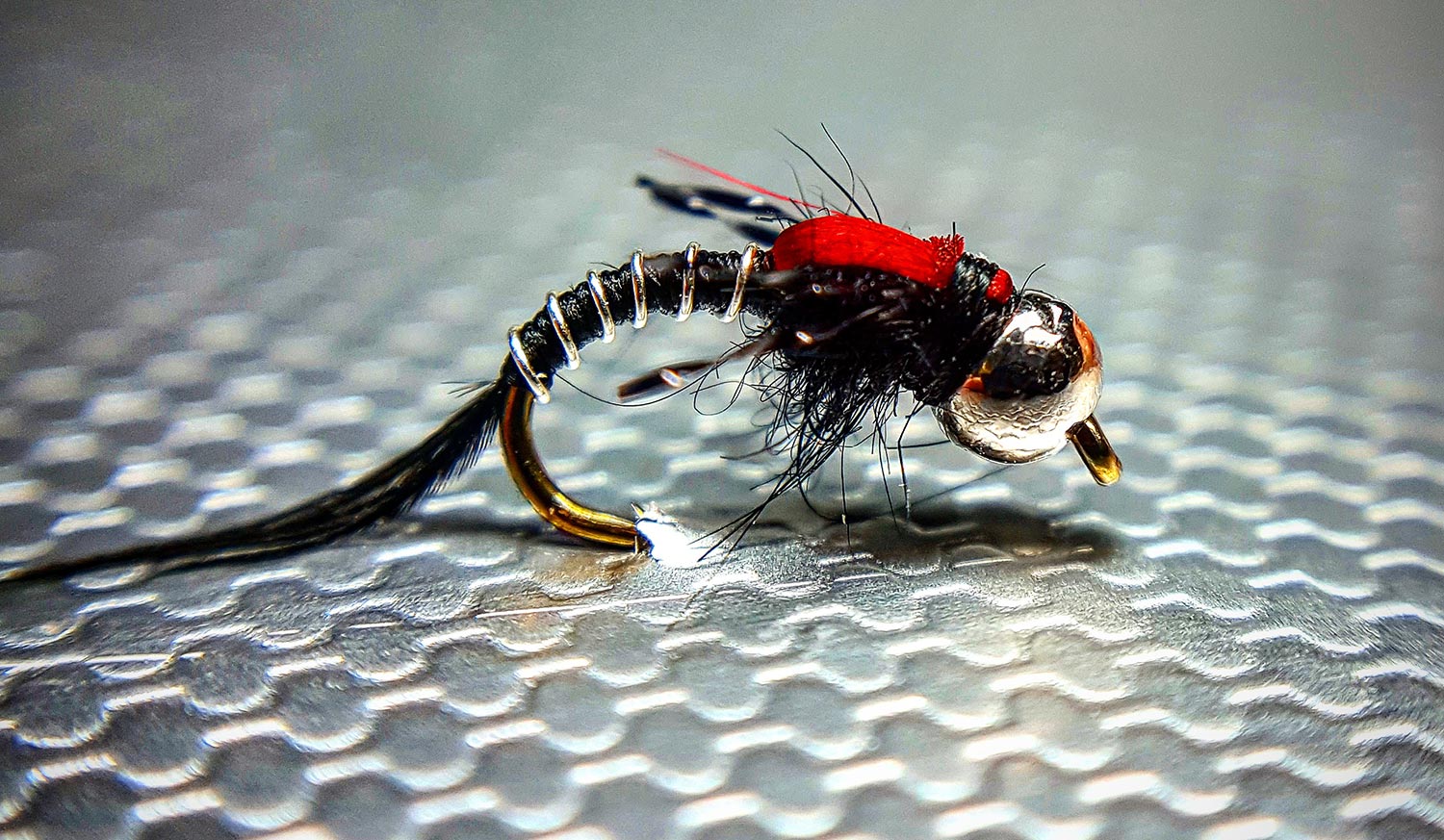
As we move into the months of fall, water temperatures begin to drop along with the activity of insect life. While the larger mayfly moments of summer are gone, the always important baetis remain. Nymphing success during these late season months can often be found with a high quality imitation of these micro mays.
Long time guide, Spencer Higa knows what it takes to consistently produce fish for his clients in all conditions. His expertise is evident in the creation of his S.O.S baetis nymph. Its crisp profile and resulting productivity have earned it a permanent niche in bins and boxes around the country. Additionally, its ease of creation has helped it to find favor in the vises of tiers around the country.
Not all nymph patterns induce a sense of assurance in the minds of anglers. Confidence in the patterns that you fish often results in greater success on the water. If you’re in search of a baetis pattern to believe in, let the S.O.S serve as your savior.
WATCH THE VIDEO AND LEARN TO TIE THE S.O.S BAETIS.
Read More »Fight Big Fish with the Butt Section of the Fly Rod Not the Tip

If you fly fish long enough and pay your dues, it’s just a matter of time until you hook into a giant fish and experience defeat. I’ve always loved the saying, “It’s always the big ones that get away”, like it provides anglers a viable excuse for losing battles with big fish. I’ll admit there are times when we’re at complete mercy of big fish, and defeat is 99% inevitable, but most battles are lost due to angler error, specifically by fighting big fish incorrectly with the fly rod.
For many anglers, every time they lose a big fish, a portion of their fish-fighting confidence disappears with it, and they become more paranoid with each unsuccessful encounter. Overtime, this paranoia and lack of confidence distorts their fish fighting instincts, and they begin to play big fish too conservatively, thinking if they put more pressure on the fish, the tippet will break or the hook will pull free. What they end up doing most of the time is fighting the fish with their rod tip instead of fighting the fish with the mid-section and butt section of the rod. This seriously limits an anglers ability to apply power and steer the fish during a fight, because all the power comes from the butt and mid-section of the rod, not the tip. It also will keep the leverage in the fish’s court, which will take it far longer for you to tire out a big fish. Fight times can be doubled, sometimes even tripled, and that’s bad news for a trophy specimen if the battle is taking place during the year when oxygen levels are low (you can play a fish to death). Furthermore, the longer the fight is prolonged, the better the chance something could go wrong, resulting in a fish being lost during the fight (teeth wearing through tippet, fish raking you across rocks and breaking line, fish snapping you off in a snag, ect).
Fight a big fish the right way
First, set your drag precisely before you wet a line. Doing so, you’ll be confident if you begin applying too much pressure on a big fish, your reel will smoothly let out fly line. Second, when applying side pressure (to flex the mid and butt sections of the rod) on a fish, it’s critical you make sure you’re pivoting your body around and rod away from the fish, while also