
Trout Utilize Shade Year Round and So Should Anglers
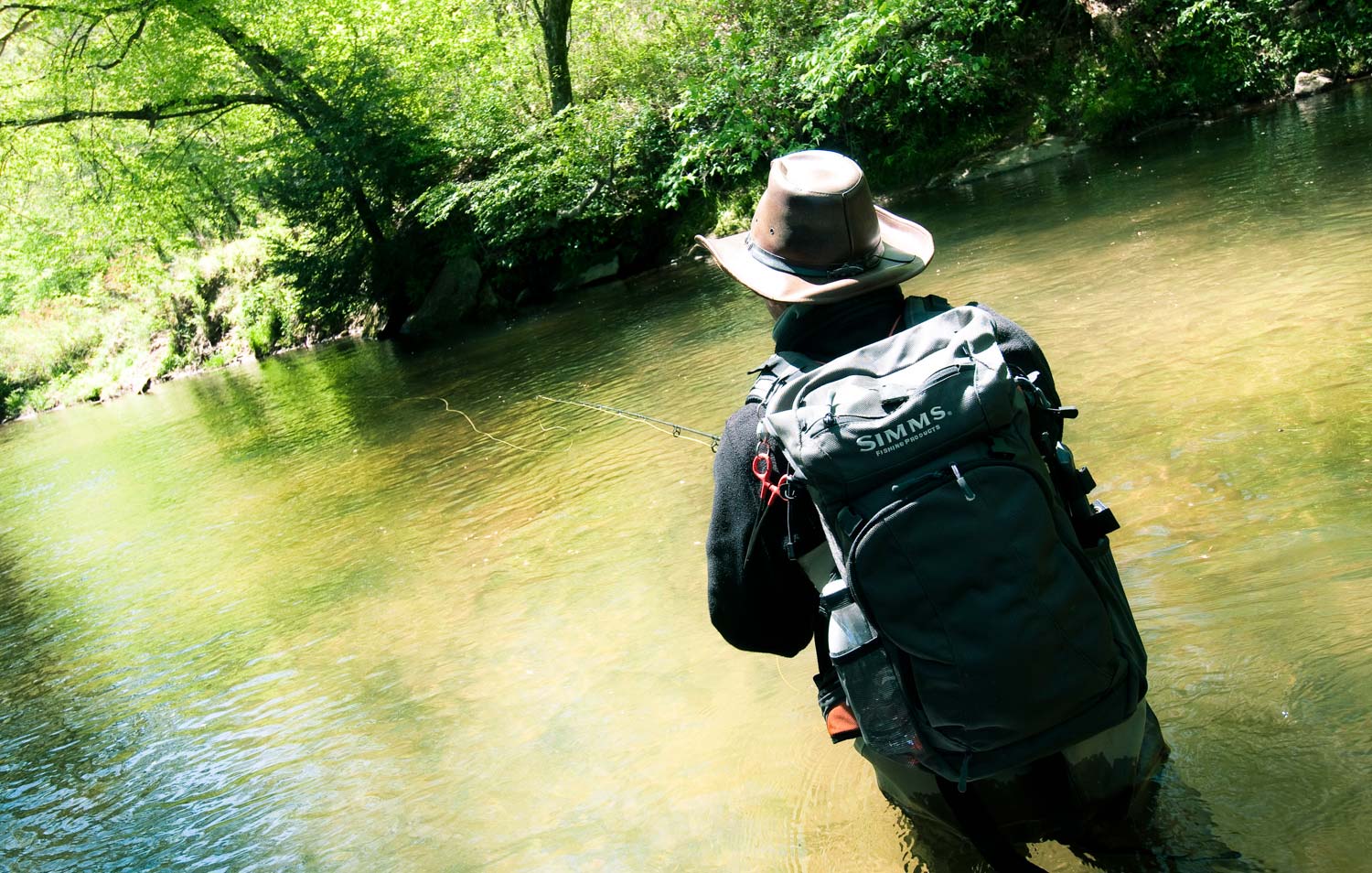
When fly anglers bring up the topic of targeting shade in conversation for catching trout, most of the time they’re talking about doing it during the dog days of summer. Although it’s true that trout will regularly seek out shade (for cooler water) when water temperatures are elevated, it’s not the only time nor reason trout utilize it. Trout also use shade to camouflage themselves from both predators and the prey they feed on. If you don’t agree with me, tell me if it’s easier to spot a trout in the sun or in the shade. Trout understand this, and that’s why they often gravitate towards it on sunny days, even during the colder months of the year. The third reason trout search out shade is to cut down on the glare in their eyes, so they can spot drifting food in the current more effectively.
Read More »The Good Stuff
DON’T FORGET TO TAKE IN THE GOOD STUFF
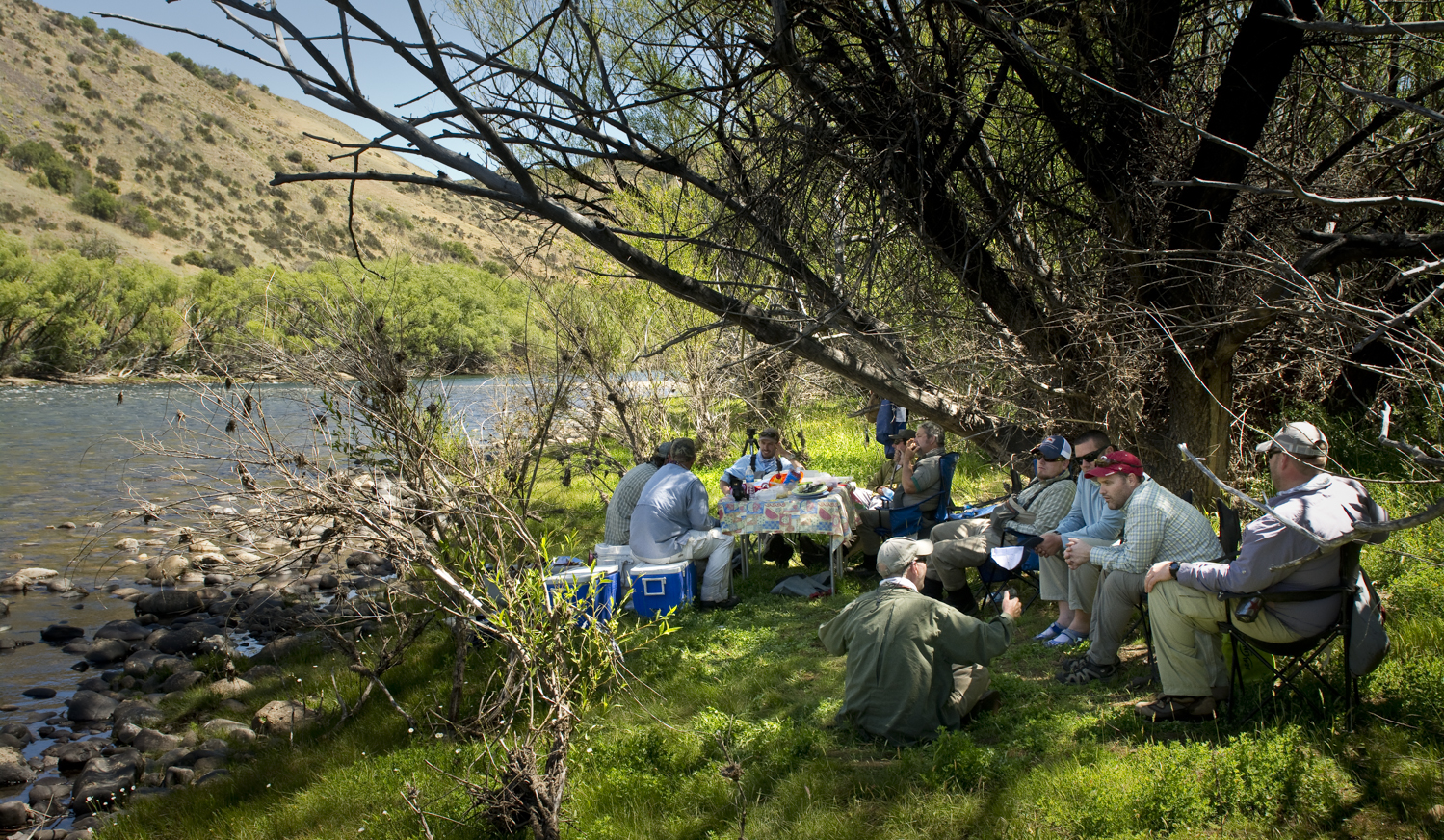
We, as fly fishermen, tend to get caught up in the small space that lies between our eyes and the water’s surface. It’s hard not to. That’s what we need to do in order to be successful on the water. Just like your dad told you to “keep your eye on the ball” as a youngster, you keep your eyes trained on your dry fly, or streamer, as you either drift or strip it through the water. You do this because you know the moment you look away is when that mack daddy of a fish is going to bite, and you’ll be too late to set the hook.
Counter intuitive as it can be, sometimes I feel that’s what we need to do. Look away from your fly, from that run, from that daisy chain. Take in the awesomeness of those moments that fly fishing affords us, and the people you experience them with. I’ve been very fortunate to have made it to some amazing fishing destinations in my short time on earth. Both close to home, and the far away exotic. I can tell you about almost every single fish that was caught on most trips, but sadly I couldn’t tell you too much about the gorgeous setting in which that trip took place, or how much fun I had with my best friend while we were there.
Louis Cahill PhotographyAlaska, Bahamas, Florida, Argentina, Smokey Mountains National Park, Yellowstone, Colorado, and Montana. To me, these are destinations synonymous with fly fishing trips with friends and family. But what makes each destination so special and unique? The fish? To an extent, but for the most part I don’t think so. As an example, you can catch rainbow trout in Georgia, just the same as in Colorado. Same methods, similar, if not same, fly patterns, same equipment. I know, I’ve done it. Both Colorado and Georgia rainbows have green backs, a pink stripe, a white belly, and black spots. So what’s the difference? What’s the reason why we drive hundreds of miles down the road and spend our last dollar when we could essentially do the same thing, and catch the same fish in our backyard?
The experience. The beautiful surroundings. The camaraderie. That’s why.
It’s not always just about the fish, folks. We want
Read More »Invisible Waters
By Daniel Galhardo
I GOT INSPIRED TO WRITE THIS POST AFTER READING KENT KLEWEIN’S POST ABOUT HOW ABOUT ALL SEAMS HOLD FISH,
And after taking a couple of people tenkara fishing in a mountain stream yesterday. In line with Kent’s post, I can tell you that most pockets, even the ones you don’t see, hold fish.
Fly anglers quickly learn where to find trout in mountain streams. I always talk about the two main things trout are looking for: currents to bring them food, and calm water to allow them to stay put without spending a lot of energy. I suggest the seams where calm and fast water meet and other calm pockets of water as great places to target.
Mountain streams have a lot of visible and obvious places where fish are likely to hold. Boulders and logs form these pools that just look “fishy”, and like good homes. With a quick one minute lesson on reading water, most novice anglers will immediately see where to go cast their fly: “upstream to that big calm pocket over there.”
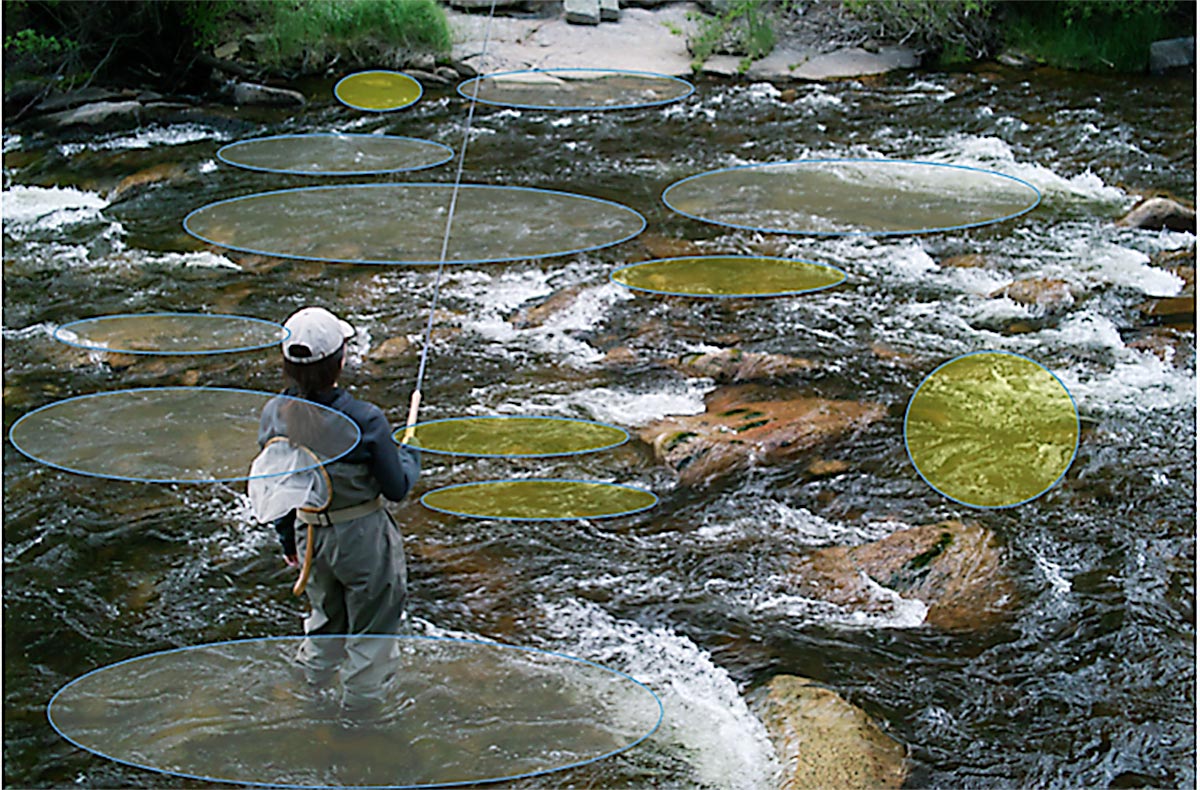
While it is easy to see and then go fish the most obvious spots, mountain streams also have a lot of what I call invisible waters.
Invisible waters are those very small pockets of calm water that nobody targets. Most likely because most people don’t notice them, but also because anglers may not think they have fish in them. The turbulence around these waters betrays their depth and fish-holding ability. Their proximity to the banks or their small size eludes our tunnel vision, which concentrates on the most likely places to hold fish.
Invisible waters are my favorite waters to fish. While the majority of anglers readily ignore these pockets, I have caught plenty of fish out of them. When I know I am trailing someone on a stream, these invisible waters give me a place to cast my fly to fish I know have not seen a fly that day, or perhaps that whole week or even longer.
The two people I took fishing yesterday were good at reading water. They readily identified some of the seams; they picked foam lines; they worked from the tail-end of the pool on upstream to the head of the pool, which in a mountain stream forms a great “food delivery system” with the currents dropping food in.
But, as we walked, I noticed they were so focused on the obvious waters that sometimes they would go and stand in waters I would have definitely cast.
I decided to
Read More »Sunday Classic / Fast Pocket Water & Big Attractor Dry Flies
DURING THE SPRING, SUMMER AND FALL I OFTEN GET THE ITCH.
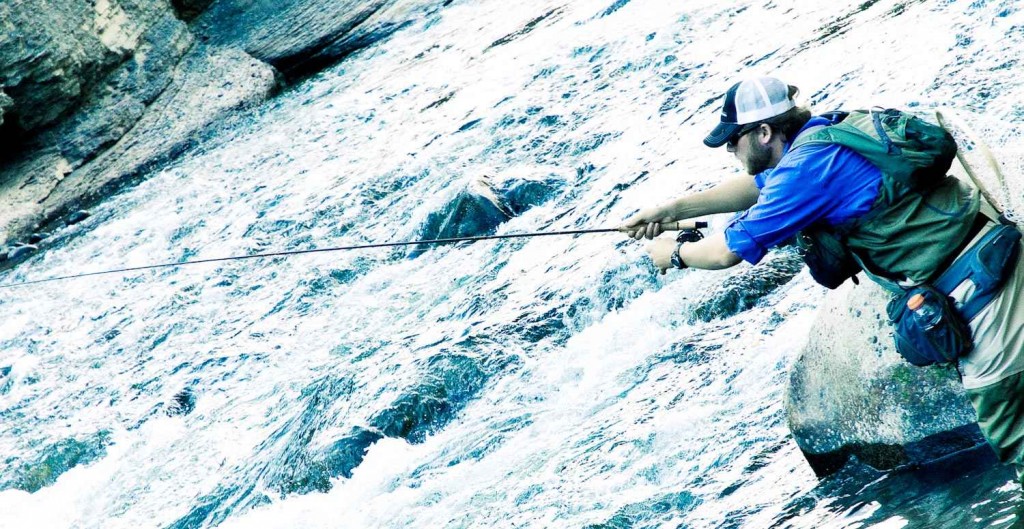
To forget about catching numbers and instead see how big of an attractor dry fly I can get away with fishing and still fool trout. For those of you who don’t know, my closest trout waters are North Georgia and Western North Carolina. We don’t regularly fish giant attractor dry fly patterns, like lots of my western friends do, because most of our water just won’t yield much results. That’s whats so cool about the idea of fishing them, when most anglers would chastise you. It gives me a little extra reward fishing patterns out of place and still catching fish. My favorite trout water for doing this on are medium-sized streams, particular in gorge sections that have a steep stream gradient. This type of water generally is loaded up with pocket water, and that’s perfect trout water for fishing big attractor patterns. Most of the trout found in these stretches of water are forced to be opportunistic feeders. The fast and turbulent water don’t give them a lot of time to examine their food before it’s out of their reach.
I’ll never forget an epic day of fishing in western North Carolina last year, fishing a size 6-8 Royal Wulff. I caught
Read More »Saturday Shoutout / Birthrights
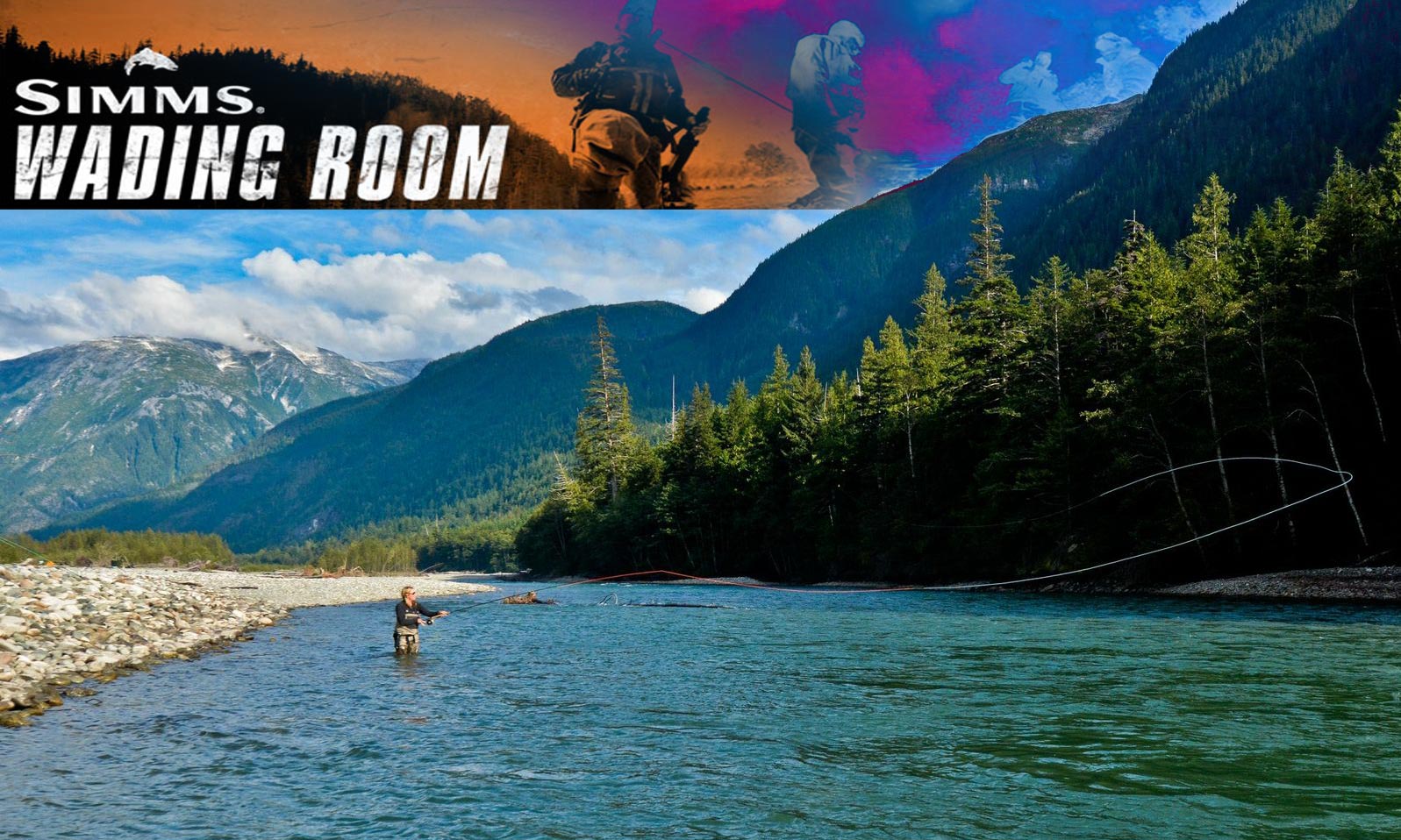
MIA SHEPARD AND SIMMS HAVE YOUR BACK.
This week steelhead guide Mia Shepard takes a look at the question of public lands for Simms. “The Wading Room” is the official blog of Simms Fishing Products. It’s a great source for insider info and fly fishing lifestyle. This week they prove that Simms isn’t afraid to take on a big topic.
This wonderful essay by Mia Shepard brings historical context to this complicated issue. I can’t imagine a topic of more importance to anglers and hunters than the protection of public land. Sadly, our birthright is under attack. Find out what you need to know.
PUBLIC LANDS / A BIRTHRIGHT
Read More »Tie Something Different, Fly Tying Contest

THE GOOD FOLKS AT SCOTT FLY RODS HAVE DONATED THIS AWESOME SHIRT AND IT CAN BE YOURS!
All you have to do is impress us with your fly tying skills and creative mojo.
“The Scott Difference,” is the motto of the the Scott Fly Rod Company. In keeping with that idea we’re asking you to tie something different. But wait, there’s a catch.
To enter you have to tie a fly using at least three materials from the Family Dollar Store. There are no other criteria. Just craft something that could be used as a fly. If you can catch a fish on it, that much better.
Create the coolest fly and you’ll be sporting this Scott, Sunrise Tarpon long sleeve technical fishing shirt. Based on the artwork of Roy Lichtenstein, this shirt is cool and comfortable. We only have the one and its a XXL but the sizing is very small. I’d call it an XL at most. I hope it fits.
Family Dollar has stores in 46 states, find the closest one here, but if there isn’t one close to you just find a similar store. Give your creation a name and send a photo to hookups@ginkandgasoline.com.
Entries must be in by May 11th and we’ll announce the winner on May 15th.
Good luck and may the “best” Tyer win!
One Hook Or Two?
By Justin Pickett
Two hooks, or Three? You Decide!
Time for a little discussion. Instead of telling a story, or sharing a tip, I want you guys and gals to tell me what you think about my personal preference on this topic. Do you agree? Do you disagree? Share with me why you think I’m being reasonable, or a pompous jackass!
Since my beginnings as a fly fisherman I have always preferred to suspend my nymphs with a dry fly. I cut my teeth on a creek in north Georgia and I always read that if you are tossing a dry fly, then it had better have a nymph dropped underneath it. So that’s what I did. It was the only trick I had in the book, with the only variation being the different patterns that would be tied on each day.
Since those earlier days of learning, I’ve still never fished with indicators. The whole idea behind dropping a nymph behind a dry fly is what?… So that if the trout are more focused on the nymphs or emergers than the dries, then you have a better chance of hooking up, right? Exactly. Besides, trout do majority of their feeding below the surface, munching on nymphs, emergers and pupa that float down the fast food freeway. Two hooks are better than one, and ultimately lead to a greater likelihood of hooking up. Makes sense.
SO NOW COMES THE QUESTION POSED IN THE TITLE, “TWO HOOKS, OR THREE?”
Many anglers use indicators simply because they’re fishing multiple nymphs. That’s fine. This isn’t a bad practice by any means, and I’m not trying to say that it is. It just
Read More »Echo’s Prime One-Piece Fly Rod for Musky
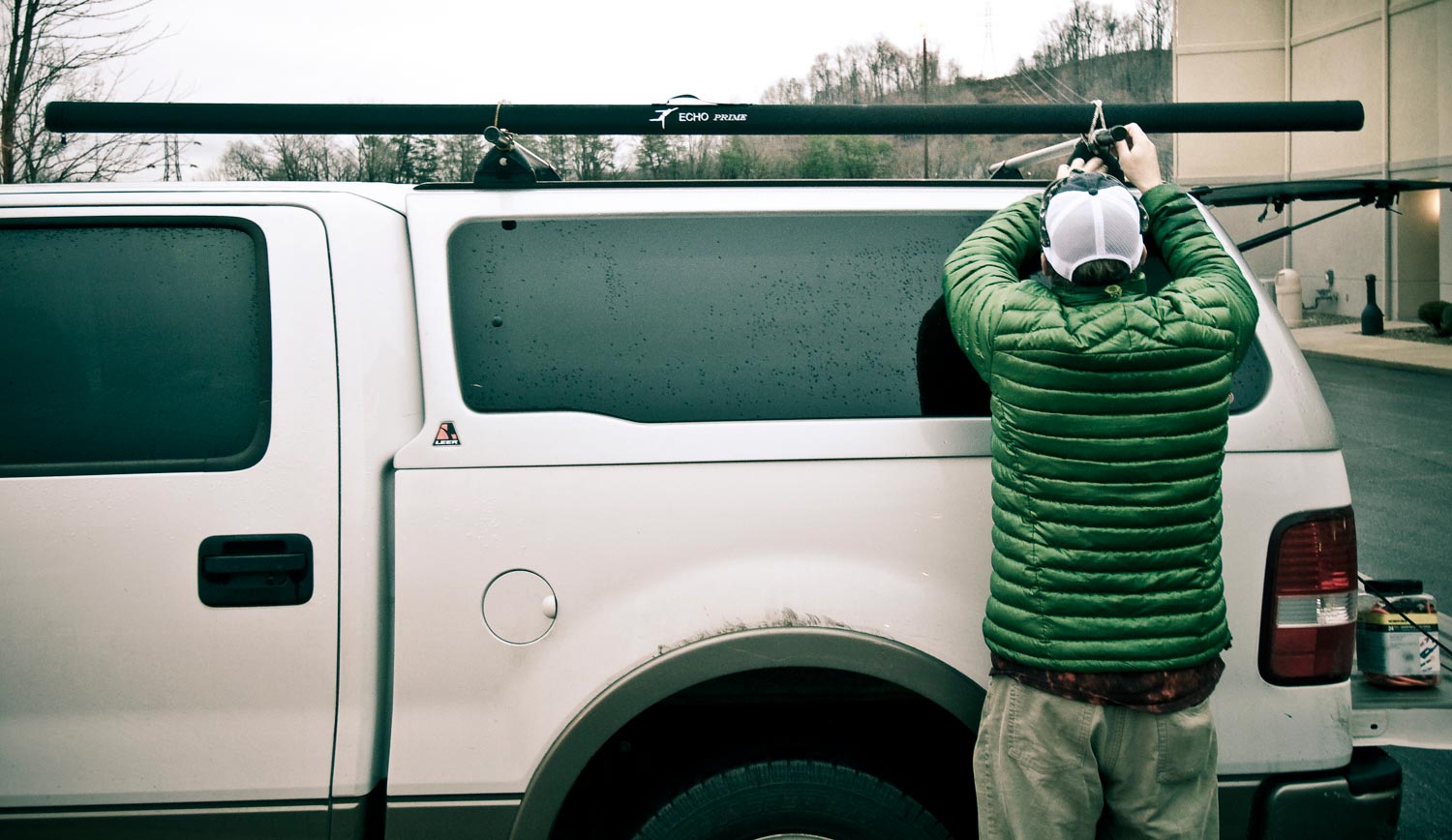
For a while now, I’ve been noticing a huge increase in fly anglers talking about fishing one piece fly rods. Because I recently had the opportunity to test one, I felt it was only right for me to share the details with the G&G community. Prior to Louis and I hitting the road for West Virginia to chase muskies on the fly, I received a random call from Randy Stetzer at Rajeff Sports. He asked me how guiding had been and what G&G was up to and I filled him in on us fixing to pull the trigger on a musky trip. Talking on, I mentioned I had a bunch great fly rods on hand to use for the trip but what I really thought would be killer was targeting musky with a one piece fly rod. Randy responded, “it’s funny you bring that up Kent, Echo just finished designing a new one-piece series called the “Prime”, and I’d love for you to try it out.” Blown away by the offer, I gave Randy my address and the Echo Prime 10wt 8′ 10″ one-piece fly rod showed up at my front door the following week. Thank you Rajeff Sports for getting this great fly rod in our hands to test out. It’s always super cool when we’re able to spend time product testing during our fishing adventures. Below you’ll find out how the Echo Prime performed targeting musky with heavy sinking lines and 12-inch plus streamers. Casting fatigue is usually a concern for most anglers when heavy sinking lines and foot long streamers are involved. I’ll be the first to admit that I was a little concerned myself. Although I’m plenty comfortable with casting sinking lines, I rarely pair them up with flies of such great proportions. Surprisingly, the musky set up … Continue reading
Read More »Sunday Classic / The Speed Knot
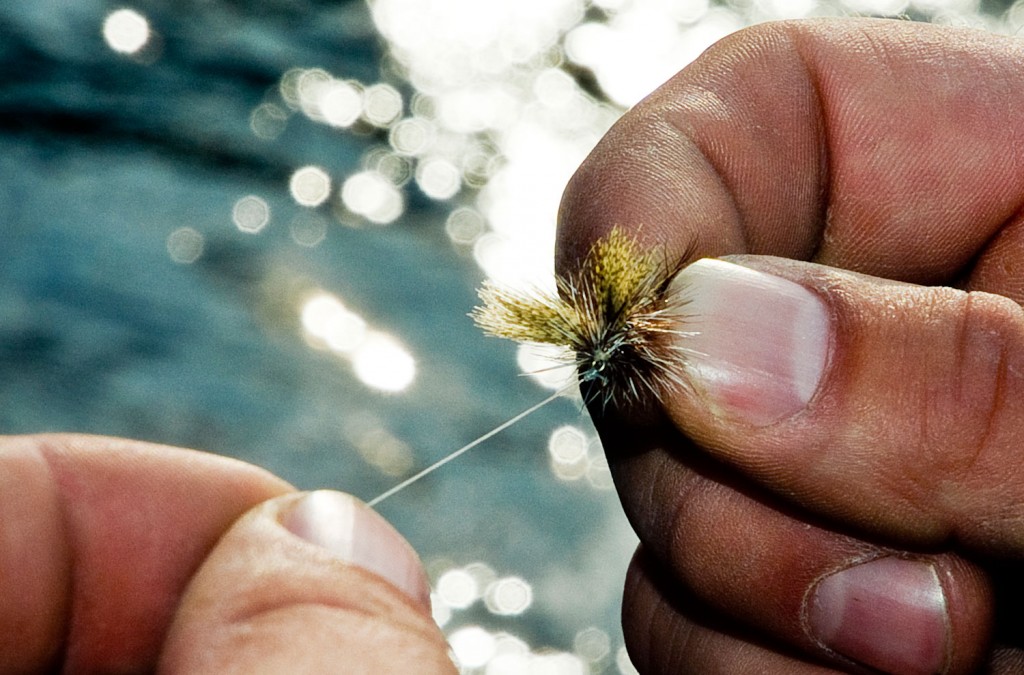
Little things make a difference.
When you watch a really good fisherman you notice a lot of those little things, the details that add up to kicking ass on the water. My friend Will Sands is like that. One of those super technical fisherman who has thought through the smallest details.
I’ve always liked the way Will ties a clinch knot. The first time I saw him do it, it was so fast it looked like magic. In a day of fishing to picky trout where you change flies a lot I wouldn’t be surprises if it added up to an extra thirty minutes of fishing, and Will can catch a lot of fish in thirty minutes.
Will slows it down for you in this video.
Read More »Saturday Shoutout / SCOF 15
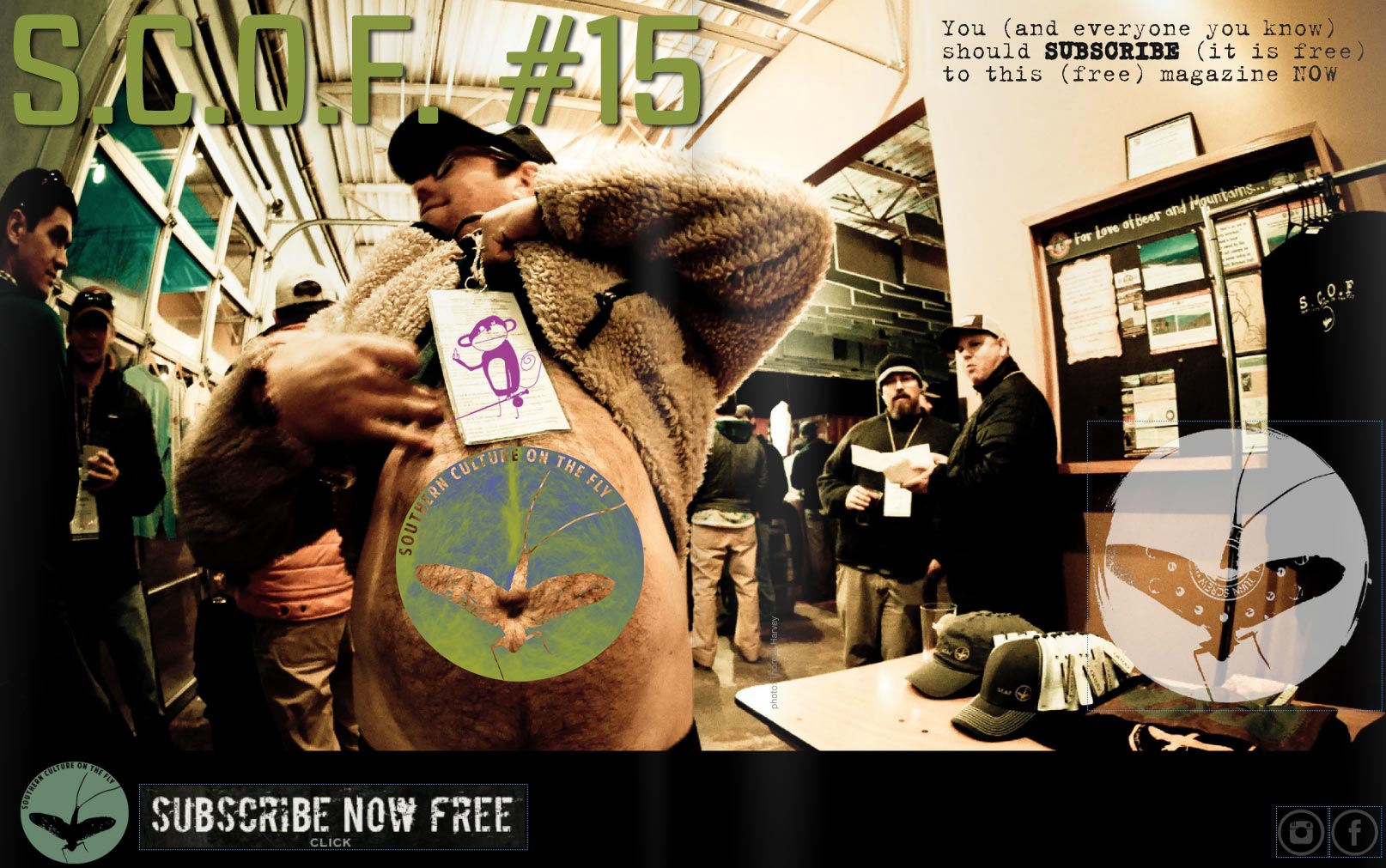
Some things are just hard to look at.
Luckily Southern Culture on the Fly isn’t one of them. Simply the best online fly fishing magazine in the business. If you don’t read SCOF already, you should. It’s cool, it’s new and best of all it’s FREE.
SCOF Issue #15
Read More »