
Saturday Shoutout / Captain Jack
IT’S NO COINCIDENCE THAT SO MANY OF MY FAVORITE FLY FISHING FILMS BEAR THE NAME CAPTAIN JACK FILMS.
Jako Lucas always seems to be right out on the edge of the fly fishing horizon. Whether it’s Yellow Fish in Africa or Atlantic Salmon in Russia there’s a magic to these film that transports the viewer. I get on the Captain Jack Vimeo page and hours just melt away.
I ran into Jako at the IFTD show in Orlando this year and he shared three recent films he’s been working on. I though I’d share them with you here. I willing to bet you’ll enjoy them as much as I do.
Read More »Use Old Plano Boxes For Bulk Fly Storage

Of all the thousands of dollars of bass fishing gear that I’ve accumulated over the years there’s very little of it that I can find a use for in my fly fishing today. Well, I could probably find a way to use some of it, but I’d definitely get bashed for it by my friends. My Plano tackle boxes, however, have proven to be very useful for me in my drift boat and when I’m traveling across the states on my fly fishing trips. I can load up one Plano box for my drift boat and I’m good for the day, and if I’m traveling out west, I often use one to throw all my big dry fly patterns or streamers in, so I don’t have to keep up with several smaller fly boxes during the trip. Every morning I’ll take out what I need and stow them in one or two fly boxes that I can carry easily with me on the water.
Read More »Sunday Classic / Use Birds to Quickly Locate Bait and Schools of Fish
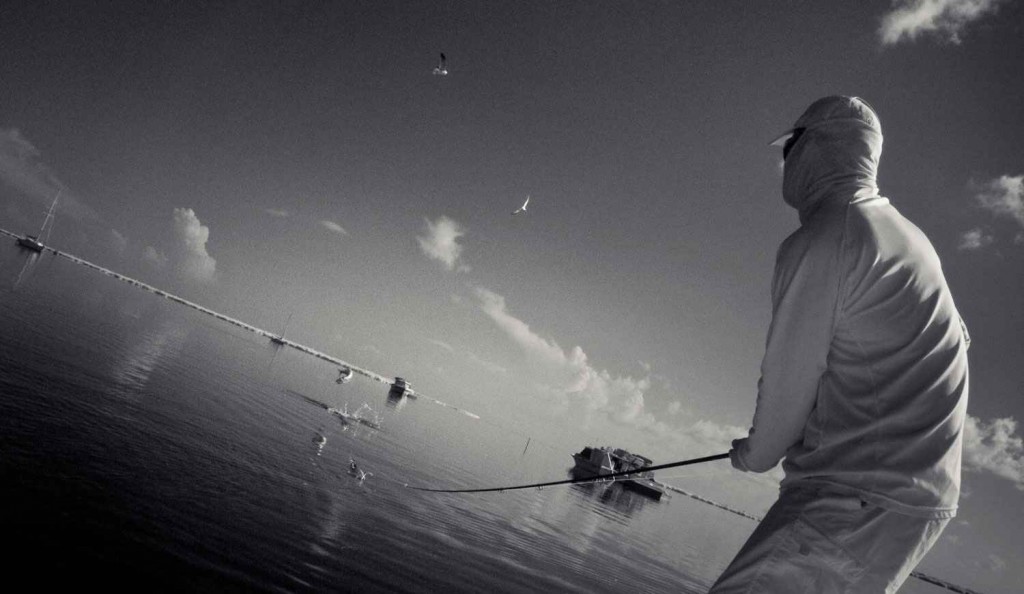
Certain times of the year in both freshwater and saltwater, anglers can use flocks of actively feeding birds to locate large concentrations of bait and fish. This was the case during my recent fly fishing trip with Capt. Joel Dickey. First thing, early in the morning, we’d run a wide sweeping perimeter with the boat, as we searched for seagulls on the feed. Binoculars weren’t a necessity but they allowed us to be more efficient by eliminating large areas of water that would otherwise be too far off for the naked eye. Being patient, continuing to cover water, and keeping confidence were the key factors in us successfully locating feeding birds. Be prepared for it to take a little while some days. For us, each morning it took a little while to find the birds, but eventually things fell into place with each scouting attempt. As the sun begins to rise over the horizon, it creates a perfect contrast of light that turns seagulls a bright neon white. You’d be surprised how far off you can pick out feeding birds this time of day. Any birds you find on the water means there’s probably bait and fish near by, but when you find diving birds in good numbers, you know there’s a feeding frenzy in progress. I’ve used birds many times in the past to locate schools of striped bass on my local reservoirs, but this saltwater trip was my first time using seagulls to locate tarpon. The seagulls and tarpon were feeding on a shrimp die off, that happens during the hottest times of the year in the evenings and at night. During these periods photosynthesis is not taking place, and with the lack of wind, oxygen levels in the water dropped below average. I have to say it … Continue reading
Read More »Saturday Shoutout / Rich and Poor Trout Streams
Read this now!
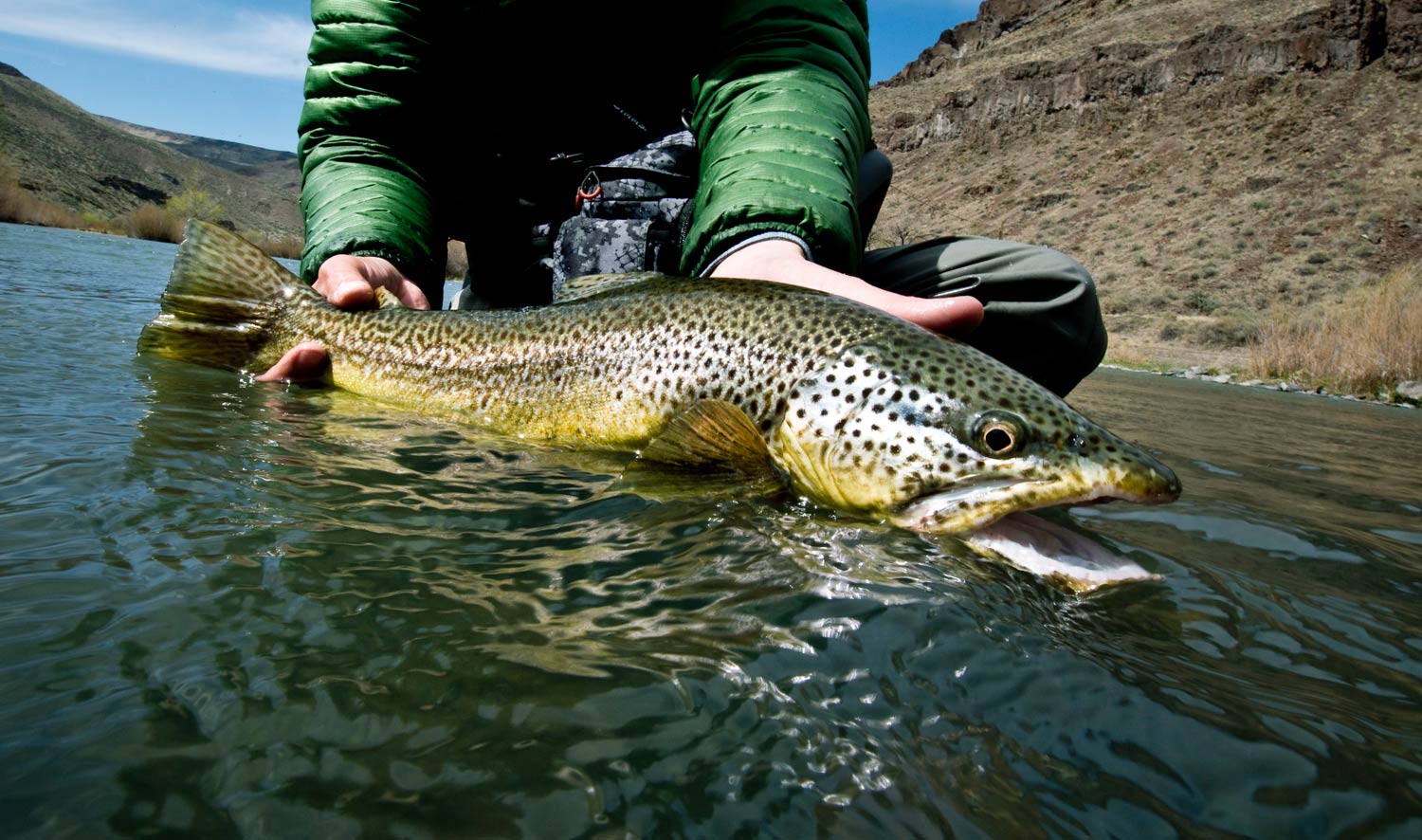
This tail of two trout streams, written for Midcurrent by Tom Rosenbauer, is quite simply of of the best and most informative pieces of writing, on the subject of trout fishing, which I have ever encountered. It’s rare that you will have the opportunity to expand you knowledge of trout and their habitat so profoundly in one sitting.
There are few folks who speak as knowledgeably about trout as Tom. This is an article you don’t want to miss.
Check out, Rich And Poor Trout Streams
Read More »Limit False Casting to Improve Your Casting Stroke
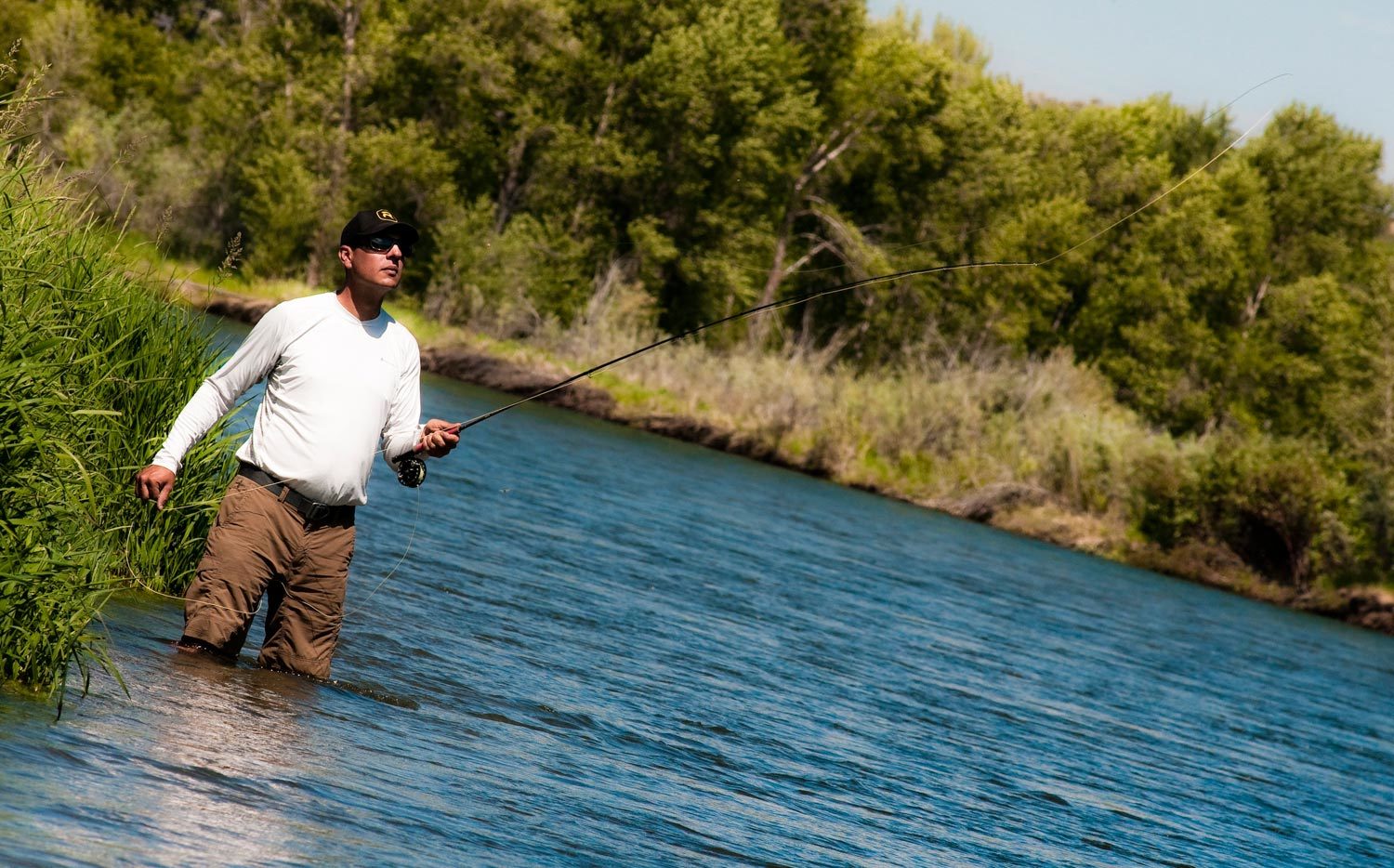
When we first start out fly fishing and we’re still learning the mechanics of the casting stroke, it’s very common for many of us to make excessive false casts in between our presentations. For some of us, excessive false casting is an excuse to impart quality control during our fly casting, for others, we justify it for the simple fact that we just love casting a fly rod. Whatever the reasons may be for excessive false casting, it needs to be kept in check, if anglers wants to fly fish at their best. If you’re currently in the beginner or intermediate skill level range, one of the best ways to take your fly fishing to the next level, is to make yourself minimize your false casting on the water.
Read More »Sunday Classic / Douse The Flash
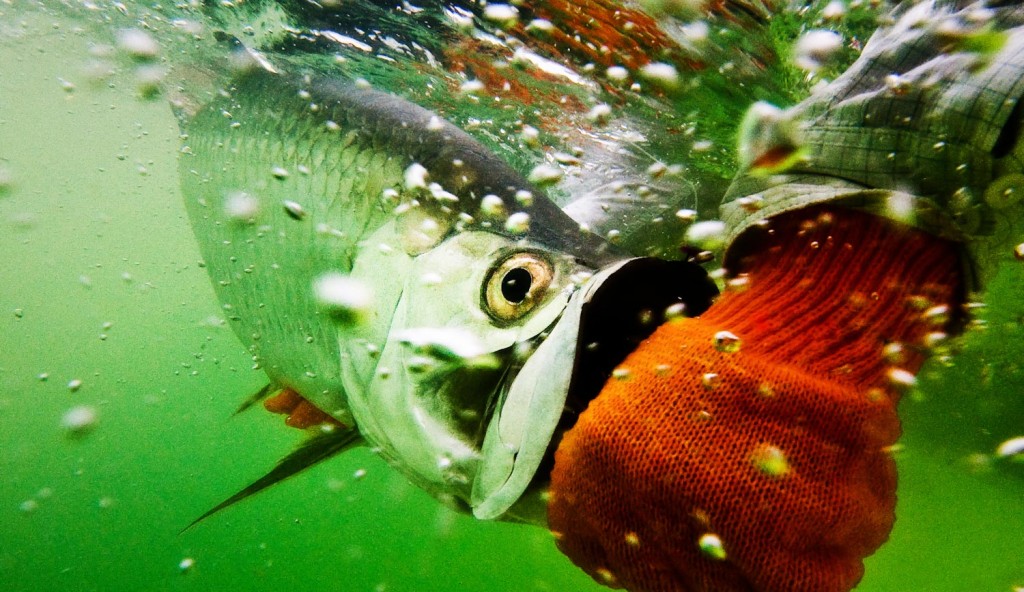
All waterproof point and shoot cameras have a built-in flash, but is it your friend? Well, sometimes. I’m a big believer in fill flash and use it a lot myself but when the camera drops below the surface of the water it can be a liability. When pros use flash under water the they take the flash off to the side, well off the lens axis, and trigger it remotely. It’s a great technique and works well but it’s impossible to pull off with a point and shoot. Here’s the problem with having your flash on the camera. It’s remarkable how much stuff is in water that looks gin clear to the eye. If the water has any visible matter in it it’s going to look ten times worse to the camera. When you set off a flash that’s too close to the lens you light up all of that stuff in the water. Because the trash between you and the subject is closer to the flash than your subject, it’s much brighter. The result is that you see your subject through a cloud of bright white trash. Underwater photography is cool and best of all it’s easier on the fish. Have fun with it, but start by turning off that flash. I think you’ll like the results. Louis Cahill Gink & Gasoline www.ginkandgasoline.com hookups@ginkandgasoline.com Sign Up For Our Weekly Newsletter!
Read More »Saturday Shoutout / Tenkara Cast
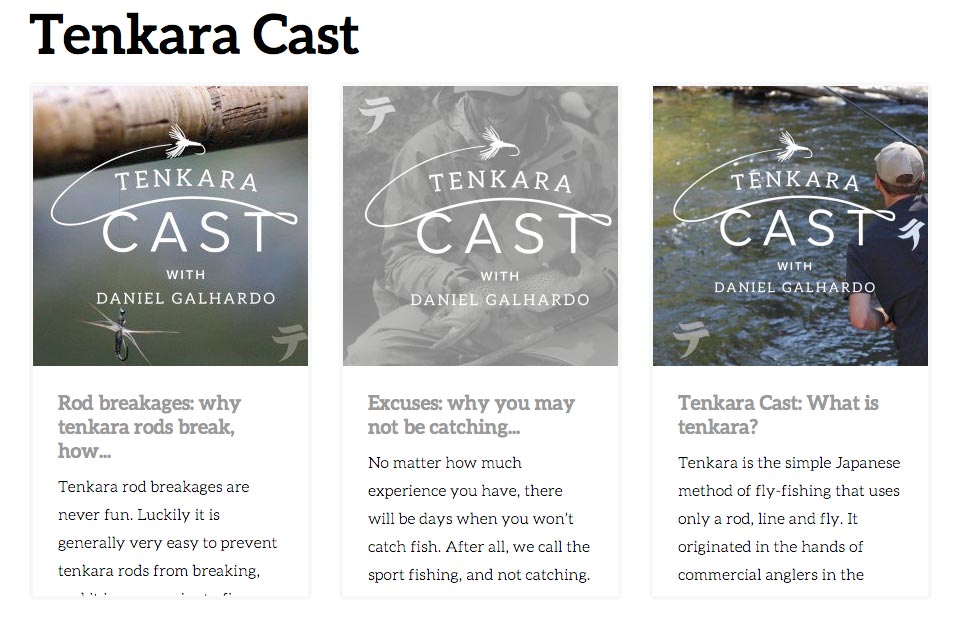
If you are into, or even interested in Tenkara, I’ve got great news.
Daniel Galhardo, G&G contributor and founder of Tenkara USA, has launched a new series of podcast that are chocked full of info and discussion on Tenkara fly fishing. The Tenkara Cast is as entertaining as it is informative. I find that when I let it run in the background, I mysteriously get a lot less work done.
IF YOUR A TENKARA MASTER OR JUST TENKARA CURIOUS YOU’LL ENJOY
THE TENKARA CAST.
Read More »Practice Your Fly Casting With A Plan
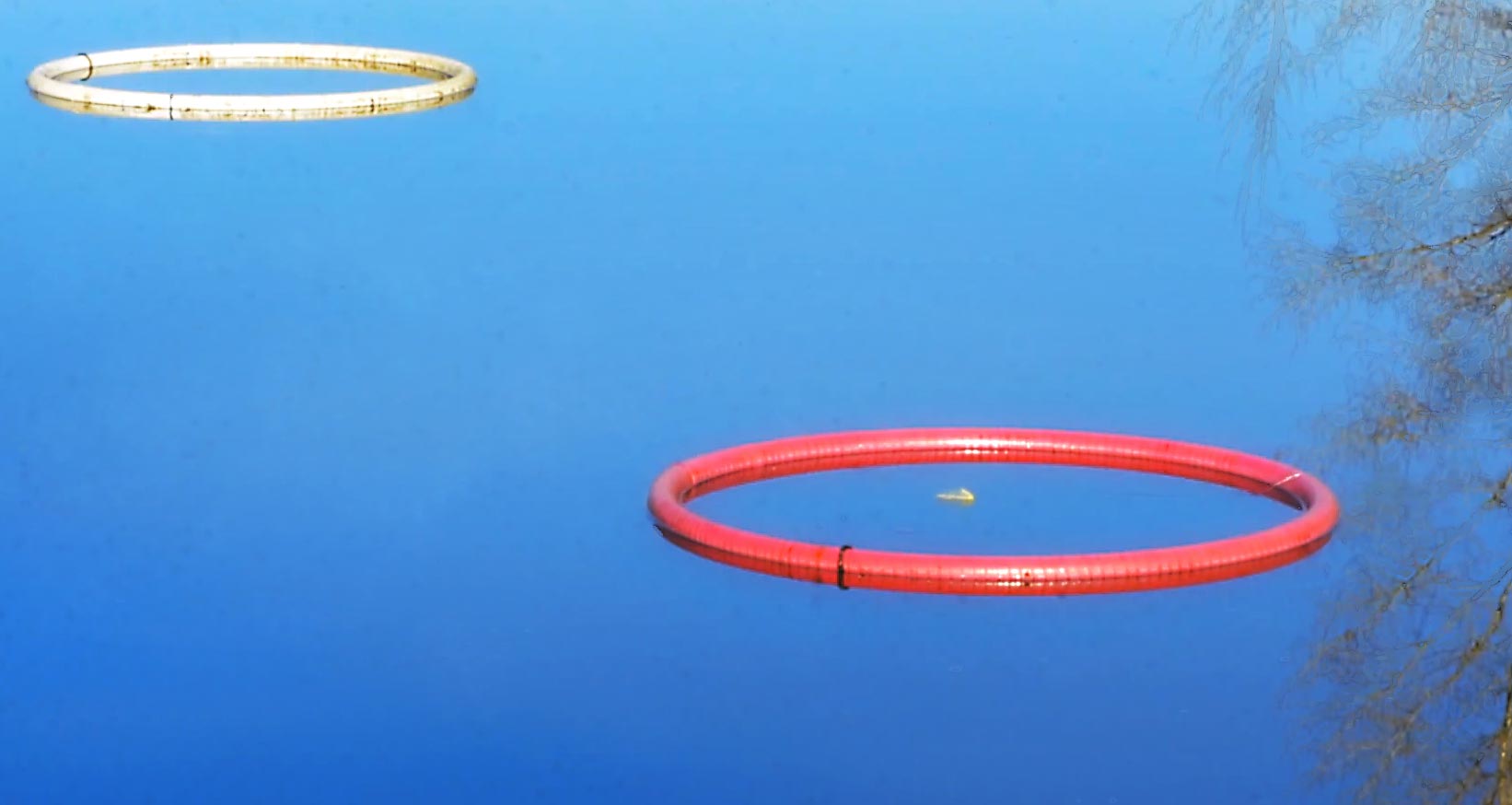
I believe that most fly anglers don’t practice their casting because they don’t really know how.
Most anglers count on fishing time to improve their casting. Fishing and practicing are two very different things and if you are working on your cast while fishing, you’re not doing either one very well. Practicing, without a plan, isn’t that productive either. Simply going out on the lawn and hucking as much line as possible isn’t an effective way to practice. In fact, it can reinforce bad habits.
Of course, if you’re really struggling, the best thing to do is work with a casting instructor. That’s a commitment, so we thought we’d lower the bar and bring the casting instructor to you. I spent an afternoon with champion caster, Tim Rajeff on his casting pond and he shared a simple practice plan that will build skills and reinforce good habits.
WATCH THIS VIDEO AND LEARN TO PRACTICE YOUR FLY CASTING LIKE A PRO.
Read More »Six Cutties in a Hot Tub
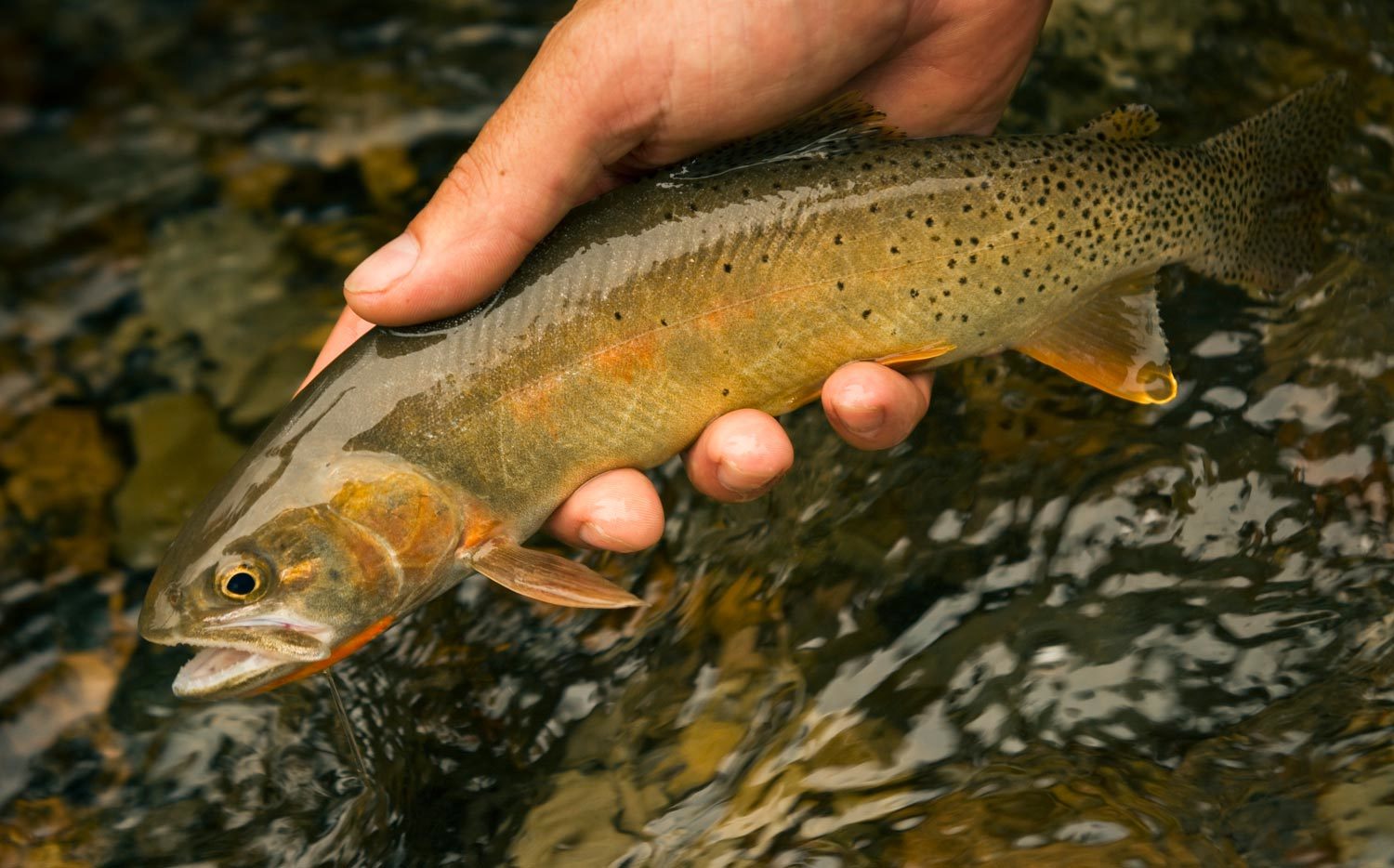
Are you fixing to head out west for an exciting trout fishing trip? If yes, and you plan to do some wade fishing, pay close attention to water levels before you decide on where to start your days fishing. Recently, Louis and I visited the Grey’s River in Wyoming for the opportunity to enjoy catching beautiful Snake River cutthroats on dries. Water levels were very high on the Grey’s and the lower sections of the river were too high to wade safely or fish effectively. We found out very quickly if we were going to get into some good fishing we’d have to focus our efforts on the upper sections of the watershed. That meant targeting the water above most of the tributaries dumping into the Grey’s, and driving 25 miles further up the forest service access road.
Read More »Dean River Steelhead in Crisis
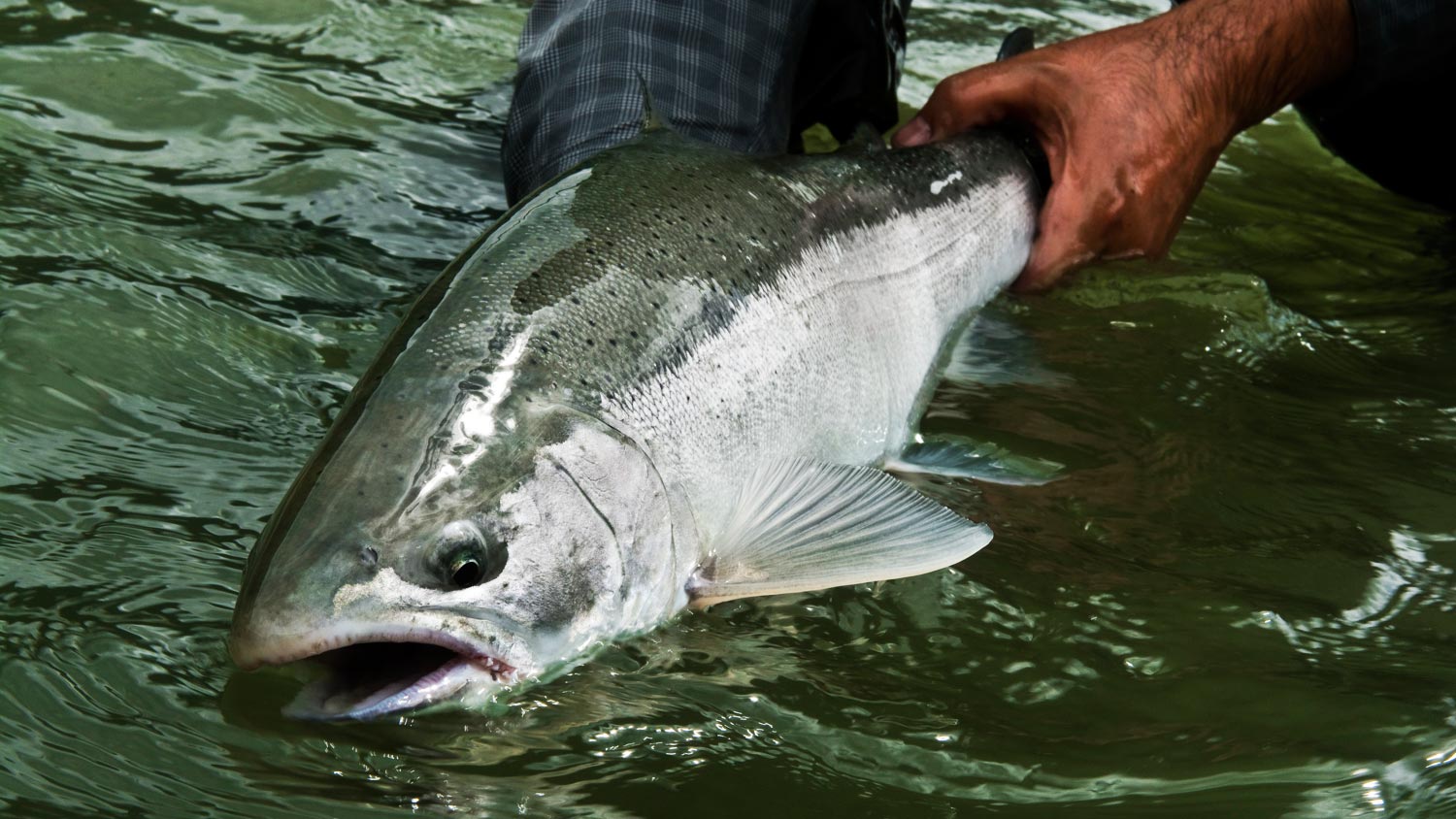
By Steve Morrow
Seasons on the Dean come and go. From the rains of June to the dry days of July to the low flows of August. Winter rolls over the valley like a heavy blanket and the people disappear. The years come and go and conditions ebb and flow like currents in the river. Some years a few lucky fish squirt over the tidal flats into the Dean and other years, endless schools of nickel muscle swarm in.
BUT THERE IS ONE CONSTANT. EVERY YEAR, WITHOUT EXCEPTION, THE NETS DESCEND ON AREA 8.
Area 8 is a government management area that includes some of the most productive waters of British Columbia’s central coast. It’s home to famed rivers like the Kimsquit, Bella Coola, Kwatna and of course the Dean. It’s part of the famed Great Bear Rainforest and the geographic heart of Canada’s pacific salmon belt.
The commercial fisherman that inhabit these regions eagerly await the runs of chinook and chum each summer. Commercial fishing is a way of life here and the backbone of many coastal communities. Few here argue its importance to the locals.
But the Area 8 fishery is a textbook example of mismanagement. A human enhanced run, the inflated schools of salmon provide increased economic opportunity and seem on the surface, hard to argue with. But more fish attract more attention and those wild stocks, the ones mother nature intended here, are subject to longer seasons with pressure that otherwise wouldn’t exist. One day openings quickly become two days and potentially three, and few boats become many, followed by many more.
Then in a perfect storm
Read More »