
Rod Review: Echo Shadow II
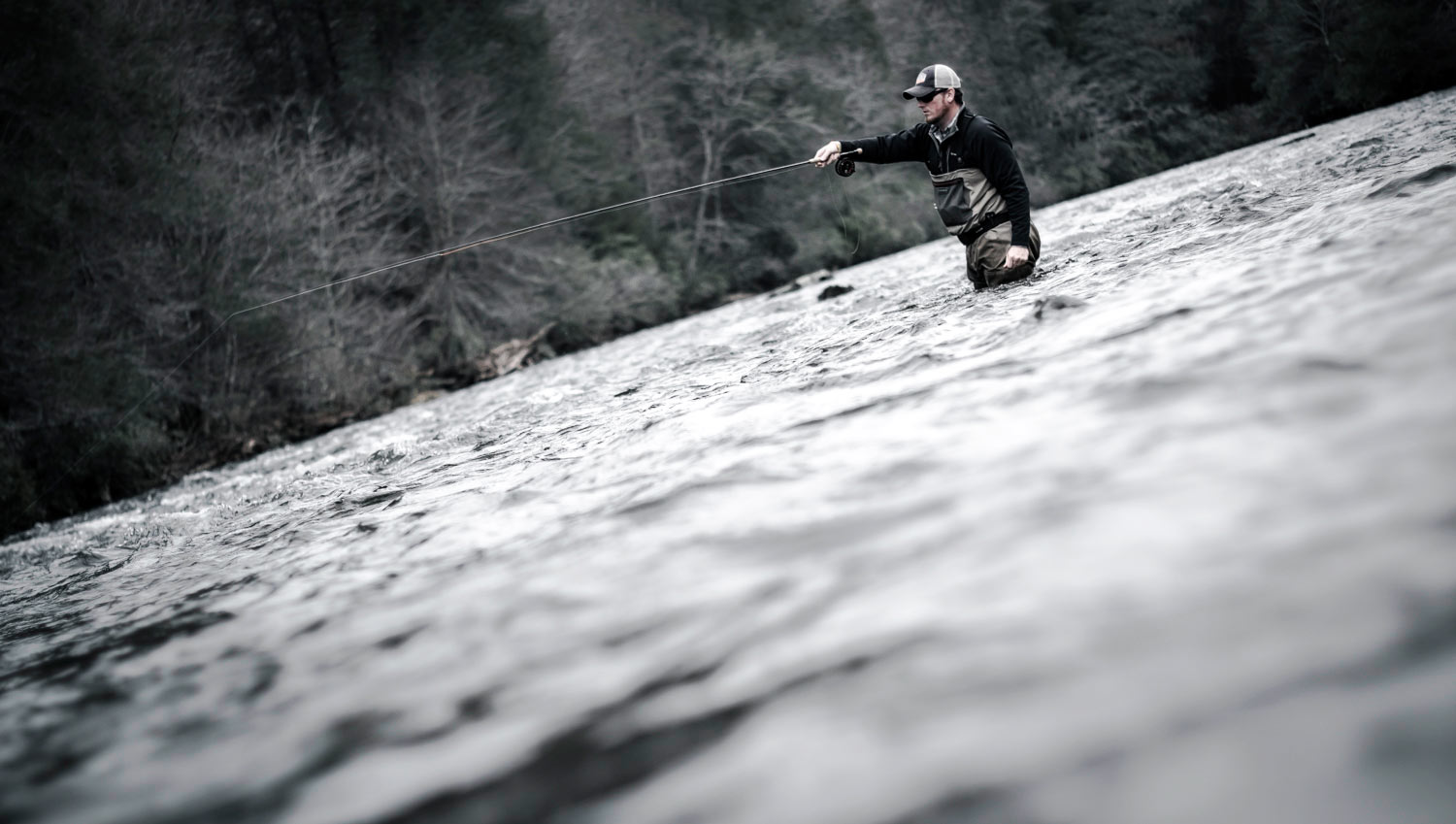
When it comes to fly rods, having a quality, versatile 10-footer in my quiver has been essential to my fishing tactics.
For a few years I was actively involved in competitive fly fishing and participated in events that were sanctioned by Trout Legend and followed the FIPS rules for competing. It was during that time that tight-line nymphing, or euro nymphing, became a huge part of my game. Whether I was going to continue to compete for years, or not, the techniques that I learned along the way would only make me more successful on the water.
Recently, I’ve had the pleasure of fishing with an Echo Shadow II 10’6” 4WT rod on my local streams and rivers and I’ve gotta say, it’s quite a rod. Tim Rajeff and Pete Erickson of Team USA designed this rod to be one of the best high sticking, tight lining, euro nymphing machines on the market. However, they also wanted it to be more than just a nymphing rod and have the ability to take things to the air when the situation called for tossing dries. I think they’ve hit these objectives really well and have produced a very versatile weapon for the fly angler wanting to step away from the traditional “905-4” rods.
WHAT IT IS
rsf21ecshaii-lg(2)The Echo Shadow II comes in two versions – the 10ft 3WT and the 10ft 6in 4WT. These rods are made keeping stealth in mind. The blanks are a matte black which is great for cutting glare, especially when you are in close quarters with the fish you are targeting. The single-foot guides (which I am a fan of) are also black. The single-foot guides are a little lighter than snake guides, which helps a little with weight and balance over the length of a 10-10 ½ ft rod. All of the thread wraps are also black. The grip is a comfortable reverse-cigar style and made of high grade cork that isn’t covered in filler. The reel seat is aluminum and is painted black with a really neat white stonefly nymph design on the top side of the reel seat. Another nice feature is that the first stripping guide is set closer to the grip, preventing excessive slack in your fly line while fishing. Also available as an option is a “competition kit” that includes two extra 6” butt sections, as well as a screw-in cork fighting butt and balancing weights, allowing you greater reach and the ability to fine tune the balance of your Shadow II. An extra seventy-five bucks buys you the ability to have a couple of extra rod configurations at your disposal. The rod comes with a black divided rod sock inside of a black cordura rod tube with an embroidered logo.
PERFORMANCE
Setup – Orvis Hydros III reel, 150 yds of 20# Rio Dacron backing, Airflo SLN Euro Nymph fly line, and 3 weights and fighting butt from Echo Competition Kit.
Weight and balance
Having a light rod that is well-balanced with your reel is an important thing to consider when picking up a rod of this type. With advancements in graphite and resins, most fly rods are pretty light in the hand. Even with the longer rods, weight is becoming less and less of a concern when it comes to the performance of the rod, though it’s still something I like to at least consider. And yes, this rod is light. I couldn’t find exact specs on weight prior to writing this article, but is it very comparable to the handful of 10ft rods that I own. To me, balance is more important. Euro nymphing and tight lining requires
Sunday Classic / Catching Big Trout Sometimes Takes Multiple Attempts
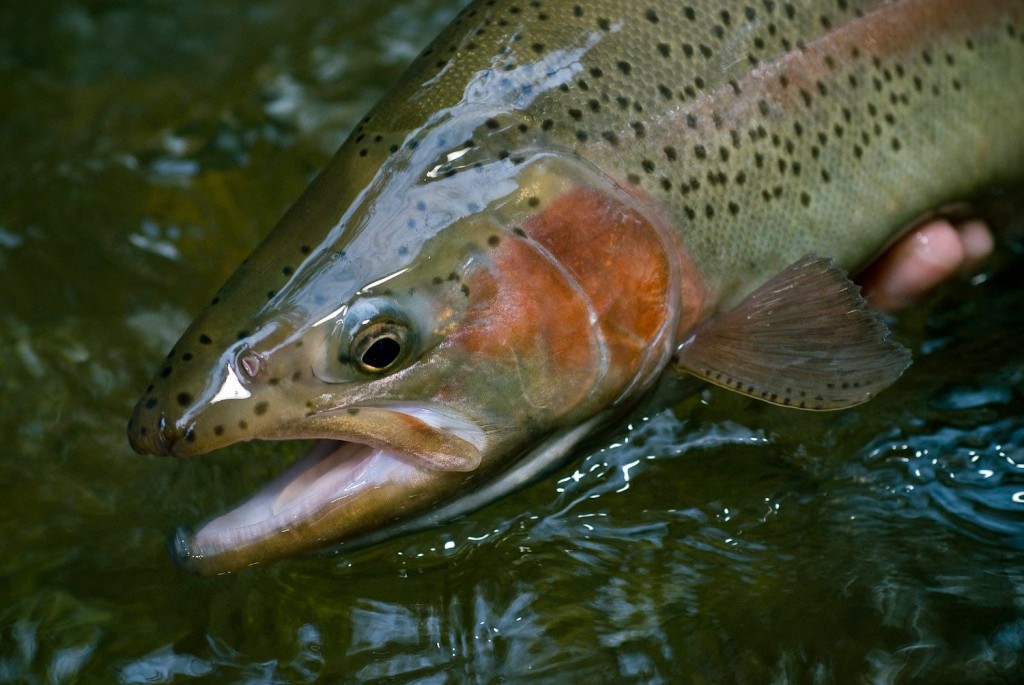
SEVERAL TIMES GUIDING THIS PAST YEAR, MY CLIENTS MISSED A BIG FISH OPPORTUNITY DURING OUR FISHING TRIP.
Sometimes it would be because of a poor hook set, other times, it was completely out of their control by last second refusals or turn offs from the big fish. We’d always make several more casts and try using different flies, but most of the time the big fish would have already caught on and would ignore our offerings despite perfect presentations. Without giving up on the cause I would tell my clients, “no worries, let’s come back later in the day and give that big fish another go”. Not always but quite often, we’d come back and catch that big fish the second time around. When we were fortunate enough for it happened it was the most thrilling guiding for me, and my clients couldn’t have been more pleased and proud of themselves.
If you find yourself wading a river or stream and spot a big fish but don’t catch it, don’t accept defeat, let the fish cool off and come back an hour or two later for a second shot. If you do everything right, most of the time you stand a very good chance at catching the trophy. This simple fly fishing tip, is overlooked by a lot of anglers and it’s paid off for me time and time again throughout my years guiding. Don’t be disappointed if you strike out the second time around, because you’ve got one thing going for you that you didn’t have before, and that’s
Read More »Saturday Shoutout / Arctic Unicorns
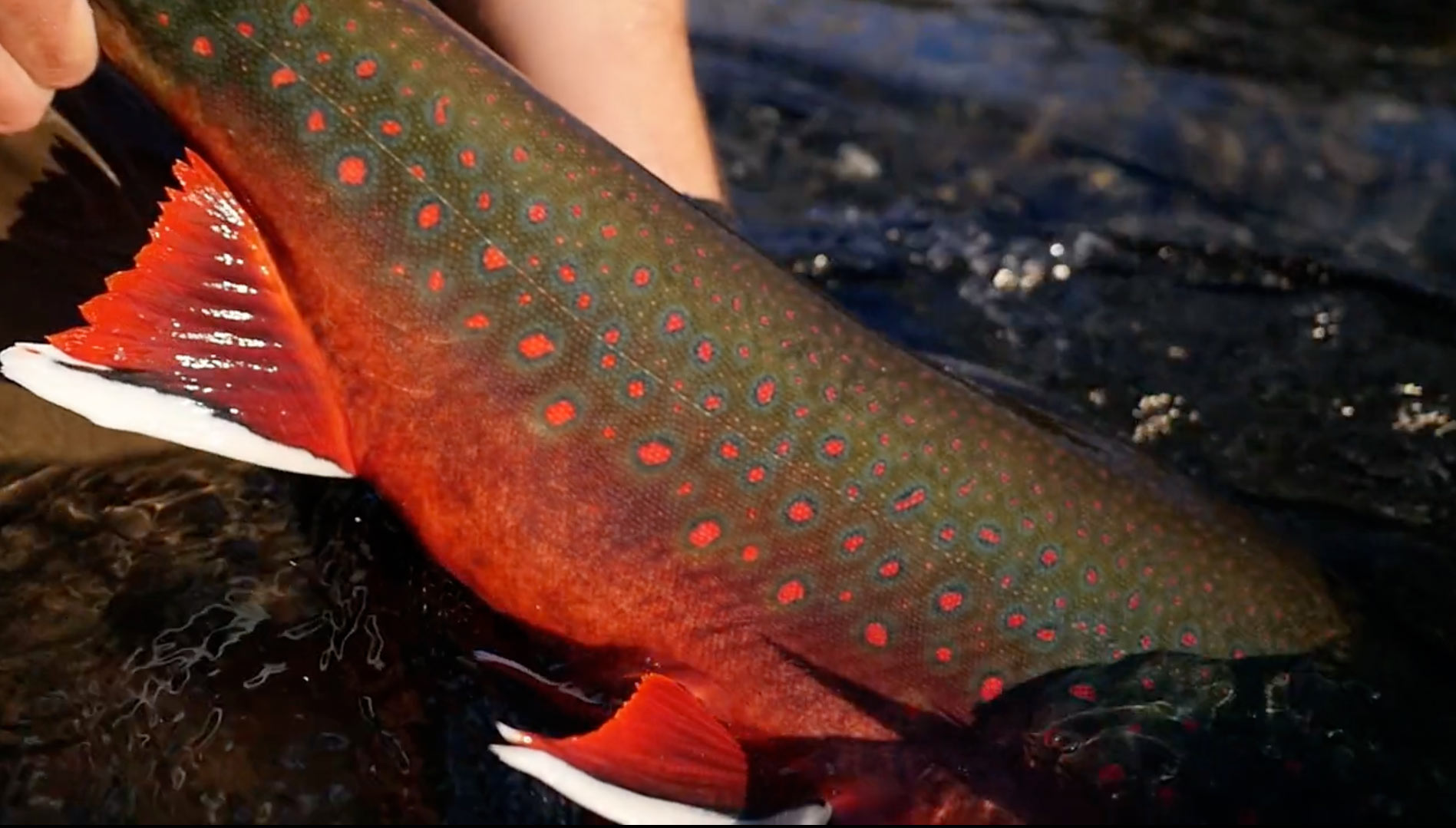
I do love me some char!
This trailer for the film “Arctic Unicorns” by Western Waters features some pretty awesome footage of char fishing in the Arctic. The film makers went on a quest to catch huge brook trout, Dolly Varden and Arctic char. And did they ever succeed?
CHECK OUT “ARCTIC UNICORNS.”
Read More »Good Clean Living With Flood Tide
It’s impossible not to love these guys and the clothes they make.
Without a doubt, Flood Tide is one of the most authentic brands in fly fishing. They’re just a bunch of fishy dudes who work hard, play hard and fish hard. Their clothing is cool to look at, comfortable to wear and always top quality. It’s a simple idea that just works.
We caught up with the boys of Flood Tide on the last day of IFTD, after a few cocktails. It was pretty much mayhem at the booth but we got a good look at some of the cool new designs in the pipe for 2016. And we sang “Welcome To The Jungle.” These boys take their jobs seriously, not themselves.
CHECK OUT THE VIDEO FOR THE LATEST FROM FLOOD TIDE.
Read More »Be Like Bill
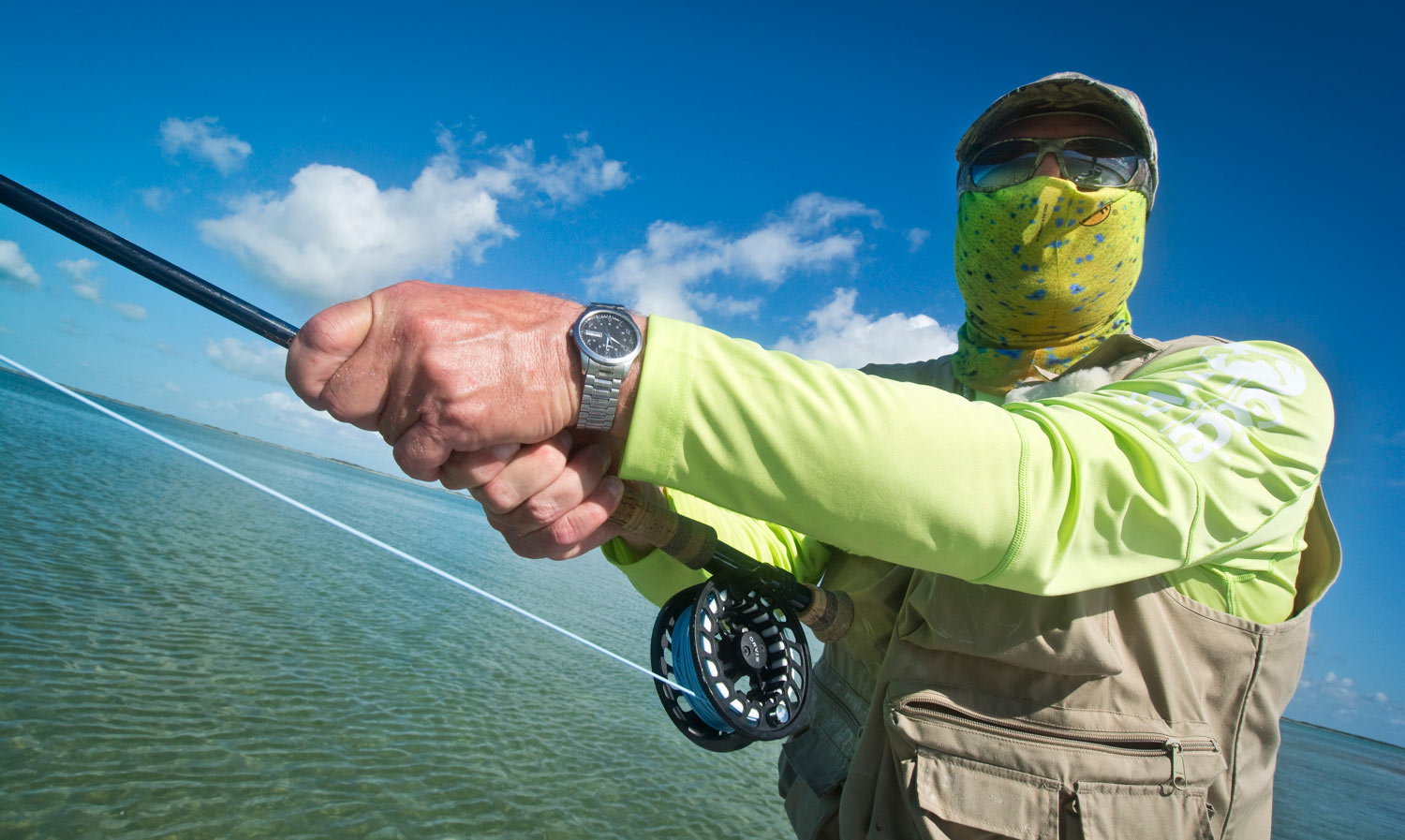
By Louis Cahill
What do you look for in a fishing partner?
I get the opportunity to fish with anglers at all skill levels. Guys who are my mentors and are way better than I’ll ever be, right down to guys who just picked up the rod. That’s perfectly fine with me. I enjoy learning and teaching. I also firmly believe that I can learn something from anyone, even if only because teaching them makes me think about something I’d overlooked.
A lot of folks feel some stress over fishing with a new partner. Whether it’s because they feel like they aren’t good enough and will embarrass themselves, or because they don’t like fishing with someone who is learning. I can understand both points of view, but if you can get past that way of thinking, you have a lot more fun, make more friends and learn a whole lot more about fly fishing.
On my last trip to the Bahamas I had the chance to fish with a fellow named Bill Eiche. It was thoroughly enjoyable. Bill picked up his first fly rod only six months before he landed on a flats boat with me to chase bonefish. He was so green he got on the boat in a trout fishing vest. In spite of being a complete beginner with a fly rod, Bill’s attitude and approach to fishing made him a great fishing partner. I thought his story was so cool I had to share it.
Like most guys who take up fly fishing, Bill has been fishing conventional gear his whole life, so he’s not new to fishing or even saltwater flats fishing. We started talking about places he had fished. It quickly became clear that Bill was into travel. He’s not a guy who’s sitting on piles of cash, just a hard-working dude from Milwaukee who had at some point decided that life was about the experience and set his priorities accordingly. Fishing, it turned out, was a priority.
Bill had been going to Belize for some time. Not fancy lodge trips, just DIY adventures. He’d been figuring out the sleepy spots that weren’t overrun with tourists, and where the fishing was good. He’d go down to the dock and meet some local guides and before you know it he had it figured out and was catching a bunch of fish. Every fish but one.
Read More »Fly Tying Material: DMC Embroidery Floss for Midge Patterns
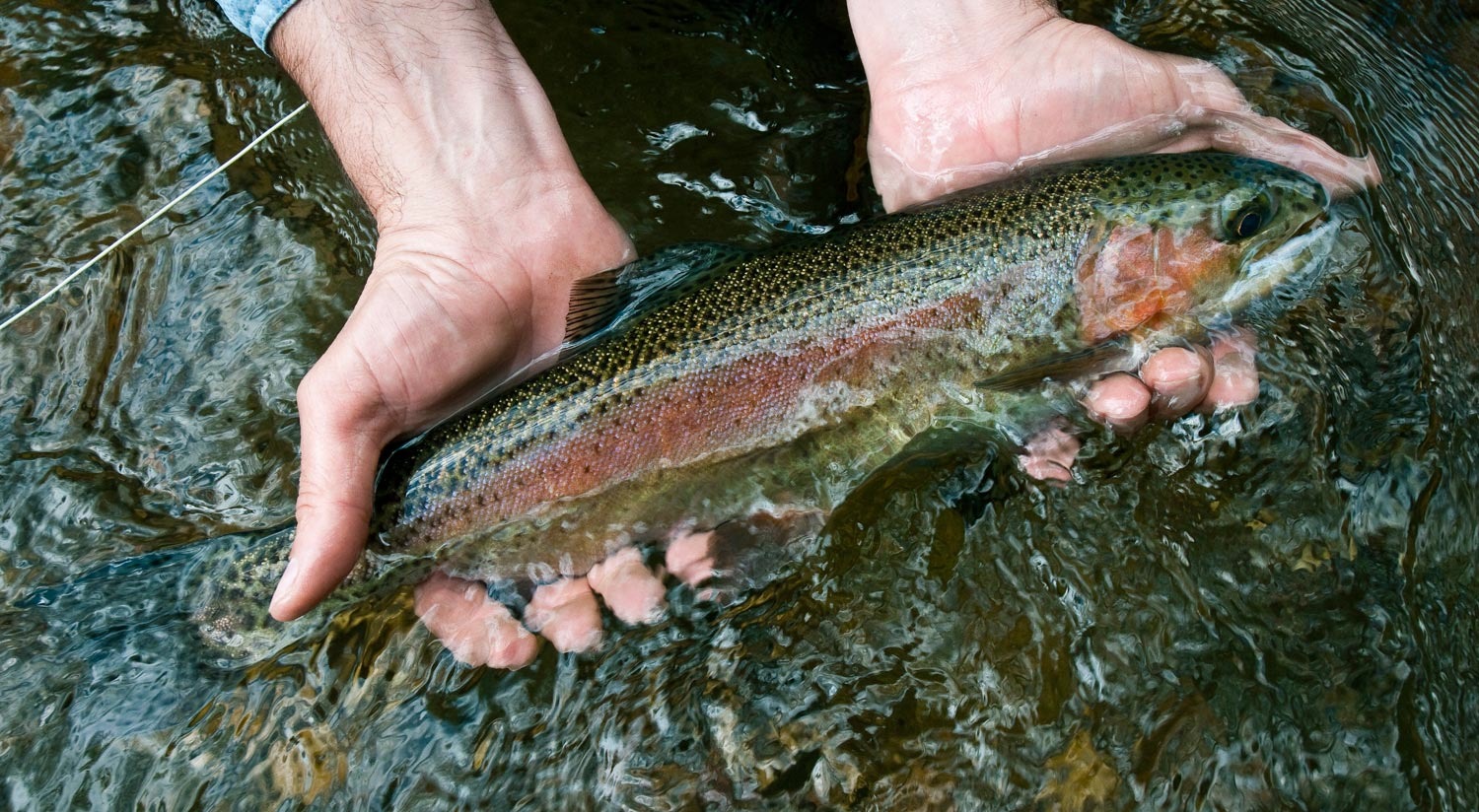
As we work through the winter months, midges will start making up a higher percentage of a trout’s daily diet.
Midges may lack the high caloric value of their larger aquatic friends, but they more than make up for it with their year-round availability, and high densities on the water. Veteran trout bums understand the important role that midges play, especially as a mainstay food source for late fall and winter trout. Tiny midges don’t pack a lot of weight on trout, but they do supplement trout enough to help slow up winter weight loss, until the smorgasbord of food returns in the spring. If you went around and snuck a peak in as many hardcore winter trout bums fly boxes as you could find, most, if not all, would be stocked with a nice variety of midge patterns that imitate the three life stages of the aquatic midge (larva, pupa and adult).
The past month I’ve been bulking up my inventory of midge patterns. That way, I’ll be ready when the trout start consistently keying in on the tiny stuff. If you know your way around a vise, I suggest you take the time to do so as well. Most midge recipes are quick and easy to tie, and I promise, the time and energy you spend tying them up, will be paid back ten fold on the water. One of my favorite fly tying materials that you can find in your local craft store or Walmart for tying midge patterns is DMC (Six-strand) Embroidery Floss. All I can tell you is I flat out love this stuff.
Read More »Sunday Classic / Rosa Parks Fished Streamers
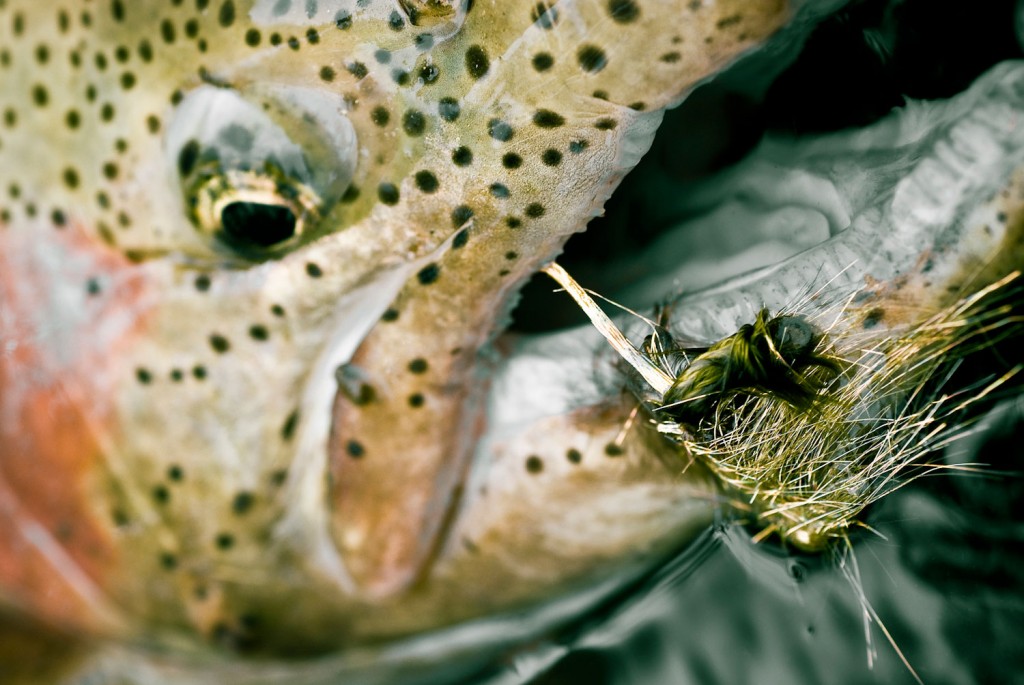
Stand up with me here streamer guys, you know what I’m talking about!
First of all I am in no way making light of Ms. Parks courageous acts or life of service. She is on my list of personal heroes and that list is pretty damn short. If you don’t know who she is, you should! That said, like Rosa, I’m getting pretty fucking tired of the back of the bus.
Stand up with me here streamer guys, you know what I’m talking about. Every time I get in a drift boat with a streamer rod I get stuck in the back of the boat. (I’m not picking on you here BW, everybody does it.) There’s always one of your buddies who pipes up with, “I sure would like the chance to catch one on a dry before you scare the hell out of ’em with that thing.”
I have a couple of problems with this horse shit. The first being, streamers do not spook fish. If they do, explain to me why fish eat them. Not just big fish, I routinely catch fish barely bigger than my streamer.
The primary reason that streamers do not spook fish is that fish are not afraid of things that are under water. Ask anyone who has snorkeled. If fish don’t spook at the sight of a person under water a fly isn’t going to phase them. I know one guide on the Snake River who, in the fall, prefers to have a streamer fisherman in the bow and a guy throwing hoppers in the back. His theory is that the streamer gets the fish worked up and ready to eat. It works, too.
I’ll say it again, streamers do not spook fish!
Secondly, it’s just a matter of etiquette. I put my time in on the oars like everybody else. When you get off the sticks, you go to the bow. That’s how it works, that’s your reward.
What the dry fly guy in the bow doesn’t get is that I’m making about ten times as many casts as he is. I’m working with a huge amount of line at my feet, getting hung up in the plugs or around the seat, getting grit all over it from the floor that cuts my fingers when I strip. That deck in the front of the boat was made for streamer fisherman. It’s for holding line, not your beer. Don’t even get me started on trying to get the oarsman to position the boat for a streamer guy. That’s never going to happen.
All that aside, here’s what really chaps my ass. Here’s what’s really going on.
Read More »Saturday Shoutout / Bringing Back The Brooks

What do Brook Trout mean to you?
I almost choked the first time I saw Chris Hunt’s site, “Eat More Brook Trout.” That’s not a critique. I totally understand that, in some places, brook trout are an invasive species threatening native fish. Too many anglers don’t appreciate that here in the south the brookie is our only native trout.
The callus tone taken with these beautiful fish rings pretty sharp in the ears of those of us who love them and appreciate their place in our natural legacy. The Southern Appalachian Brook Trout is as rare and important a fish as Colorado’s Green Backs or the Yellowstone Cutthroat, and in need of just as much help.
This short film by Freshwaters Illustrated and the National Park Service is as educational as it is beautiful. Some remarkable footage of spawning Brook trout in some of the most beautiful places in the south. It was shot in Tennessee but every word is just as true for Georgia, North Carolina, South Carolina, Virginia and West Virginia.
Take a minute and get to know a very special fish.
BRINGING BACK THE BROOKS
Read More »A Gink Christmas
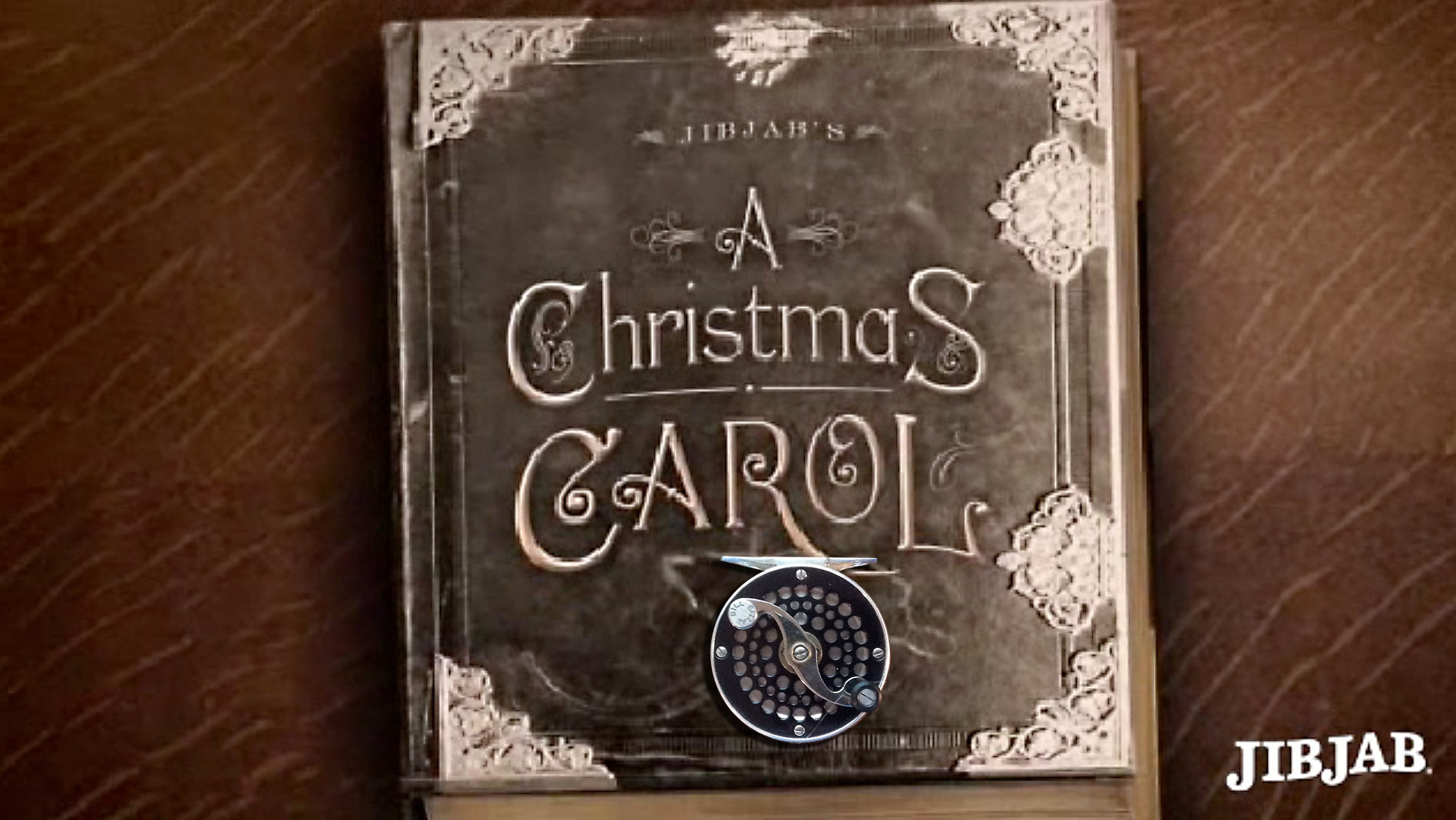
A little Christmas Silliness
There’s no more classic Christmas Story than Charles Dickens’s “A Christmas Carol.” Except when it stars the crew from Gink and Gasoline. Join me, Wicked Justin Pickett and Charlie Murphy for a classic Gink Christmas!
Thank you all for your continued support of Gink and Gasoline. You’re the best family a guy could ask for. God bless you,me very one.
Read More »The Christmas Tree Fly
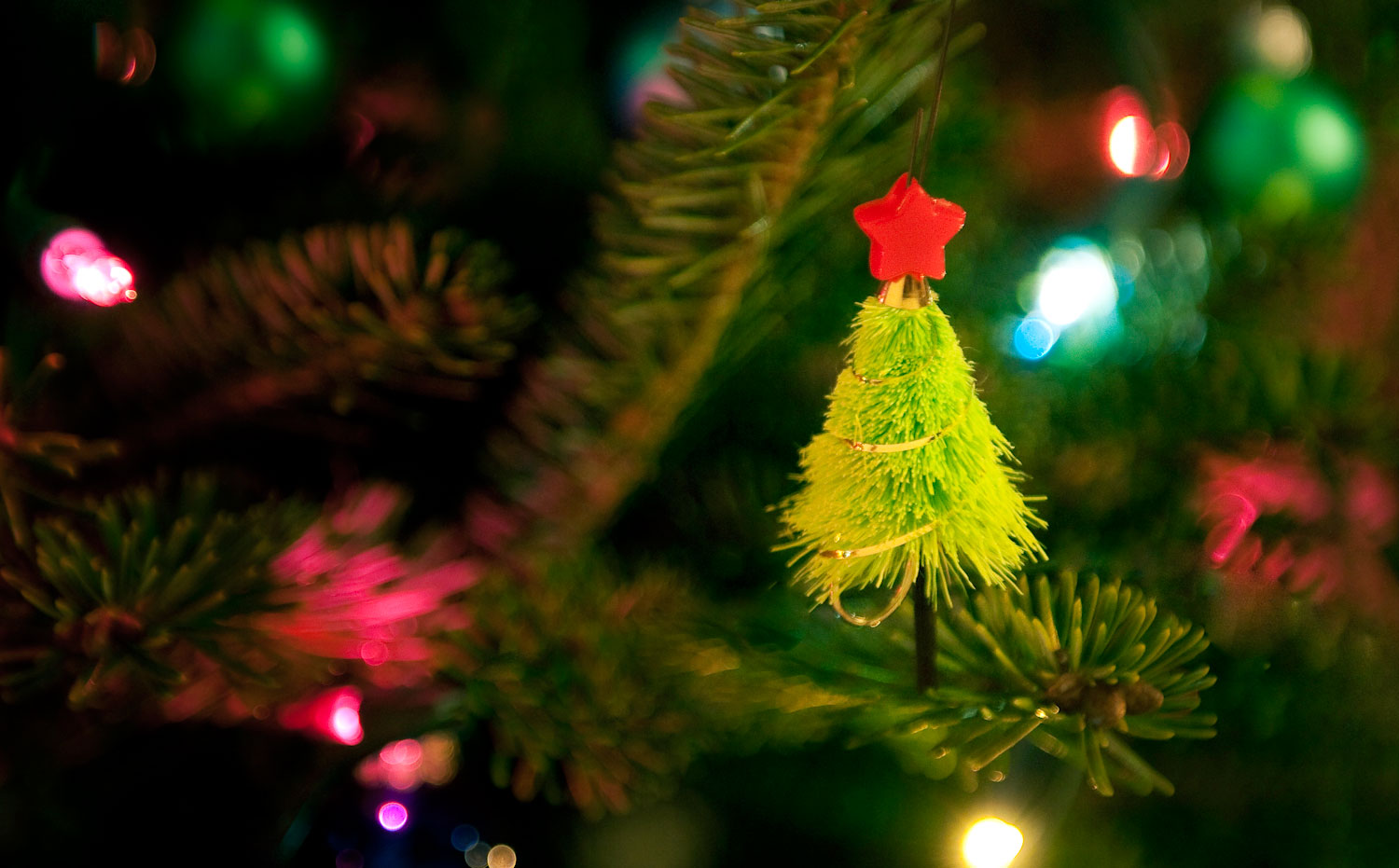
It’s Christmas Eve. The stockings are hung, the children nestled in their beds, bikes and doll houses are assembled, gifts are wrapped, turkeys are stuffed, credit cards are maxed, and still, you have found a few minutes to look at Gink and Gasoline. God bless you, every one!
Read More »