
Clean Your Fly Line Anytime, Anywhere: Video
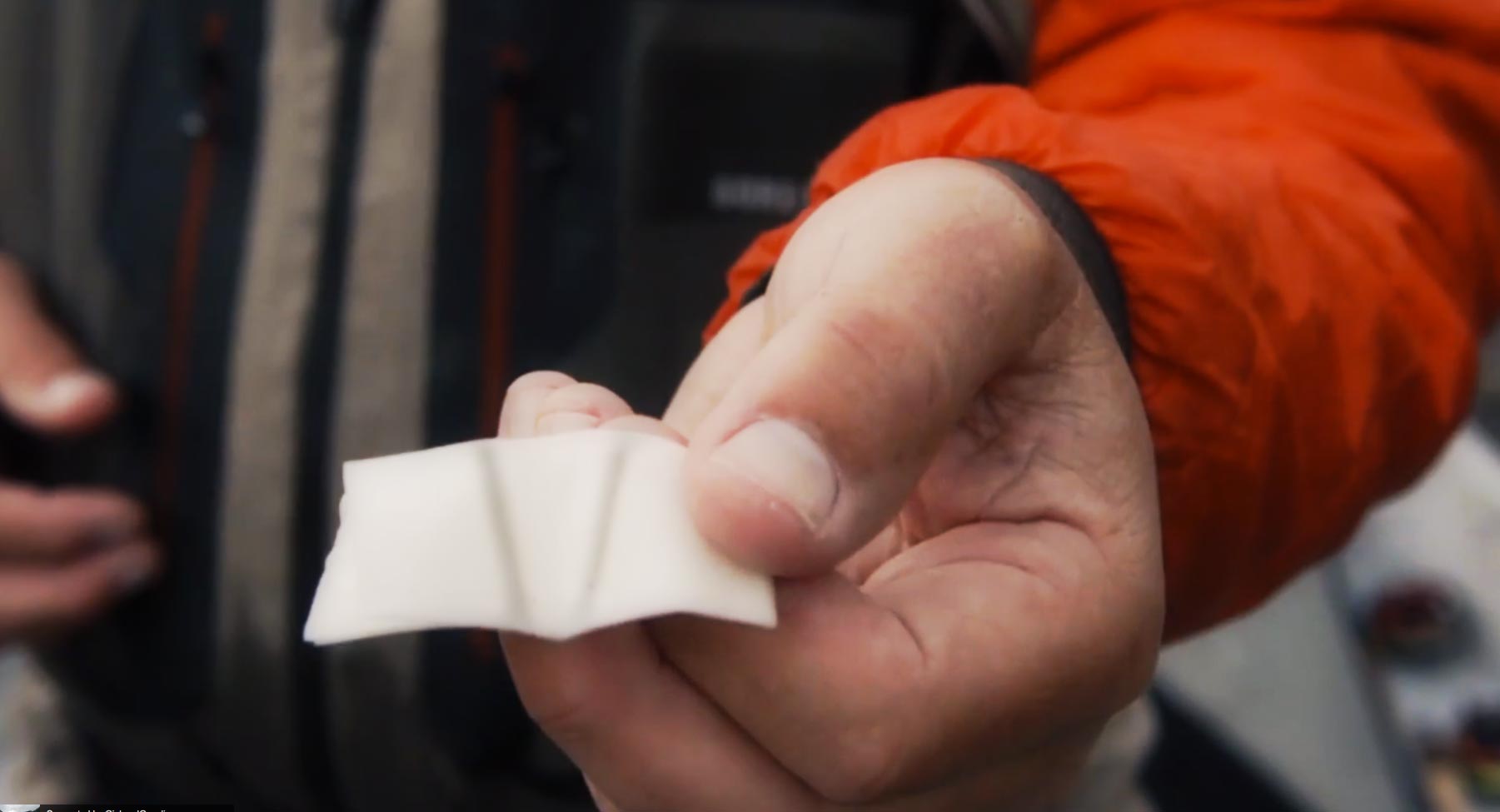
It pays to keep your fly line clean.
You can spend $90 on a fly line, these days. It just makes sense to take care of them and a big part of caring for a fly line is keeping it clean. Removing oils and chemicals, like sun screen and bug spray, will make your line last a whole lot longer. Keeping it free of dirt and river scum will make it float and cast better.
So why wouldn’t you clean your line every time you fish?
Because it’s a hassle or because you just forget. Well the good news is it’s actually really easy and convenient. I keep a hand full of moist towelettes, like you get at BBQ restaurants, in my fishing kit. I only takes a second to clean your fly line with one of these handy wipes. I buy them by the case but you can pick them up at the local BBQ joint if you like.
WATCH THE VIDEO AND SEE HO WEARY IT IS TO CLEAN A FLY LINE.
Read More »3 Reasons It’s Time to Change Flies
By Louis Cahill
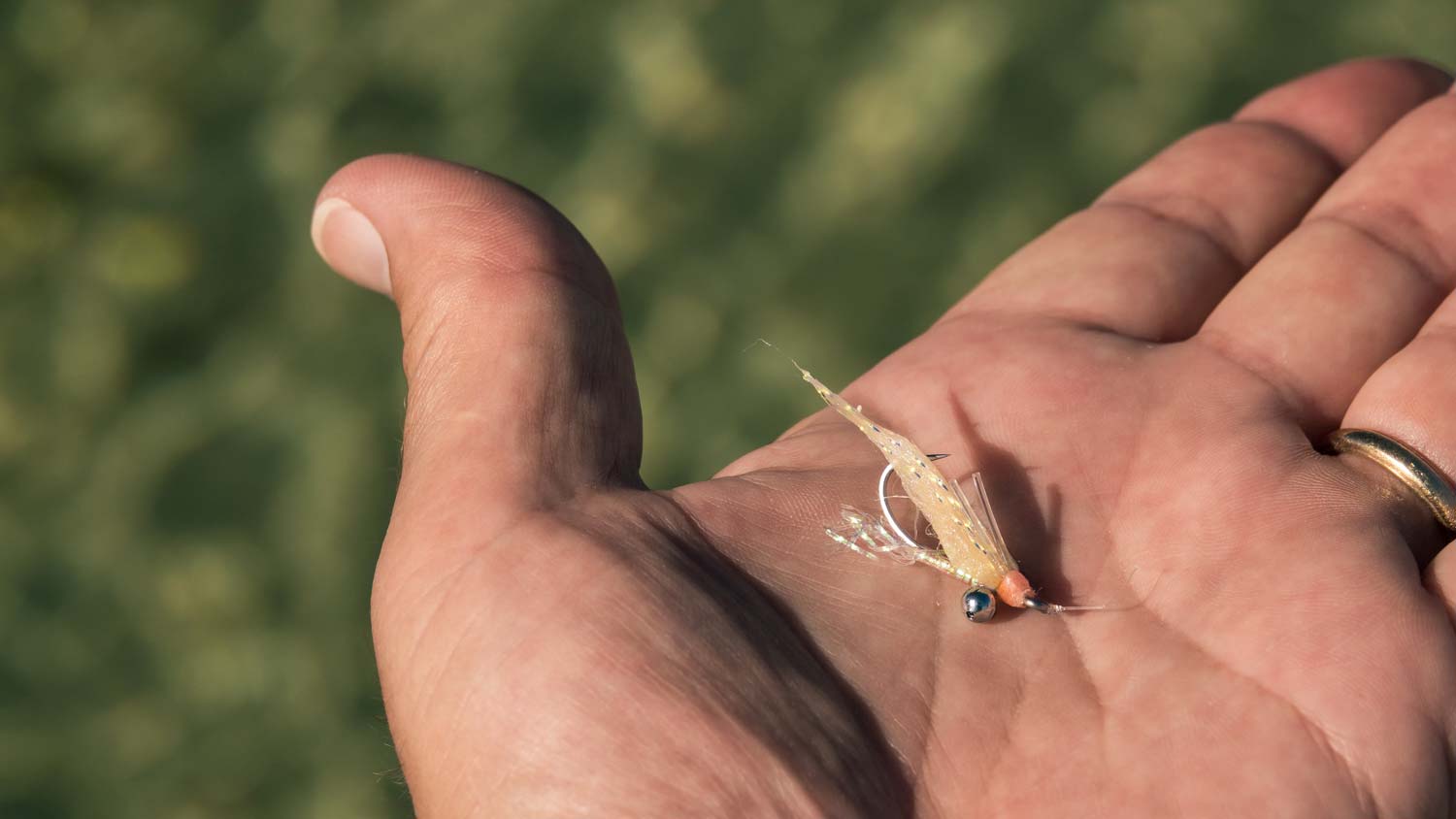
When I looked at this fly, I saw three things wrong—any one of them deserving a fly change.
I was fishing with a friend at the January Bonefish School and he made a couple of good presentations that were refused by fish. I asked if I could have a look at his fly and immediately knew why the fish were not impressed. Understand, he was there to learn and asked for my help, I don’t just critique people’s flies for fun.
Take a close look at the photo above and see if you spot the three things keeping this fly out of a bonefish’s mouth.
First and foremost, the hook is starting to straighten. Proof that the fly had been working at some point. Although this might not keep a fish from eating the fly, it will keep you from landing it if it does. Bending the hook back causes metal fatigue and it will never be as strong. Your next fish might be the biggest of your life. Better to change it.
2. The wing and eyes have
Can Anglers and Trout Have Mutual Admiration for Each Other?
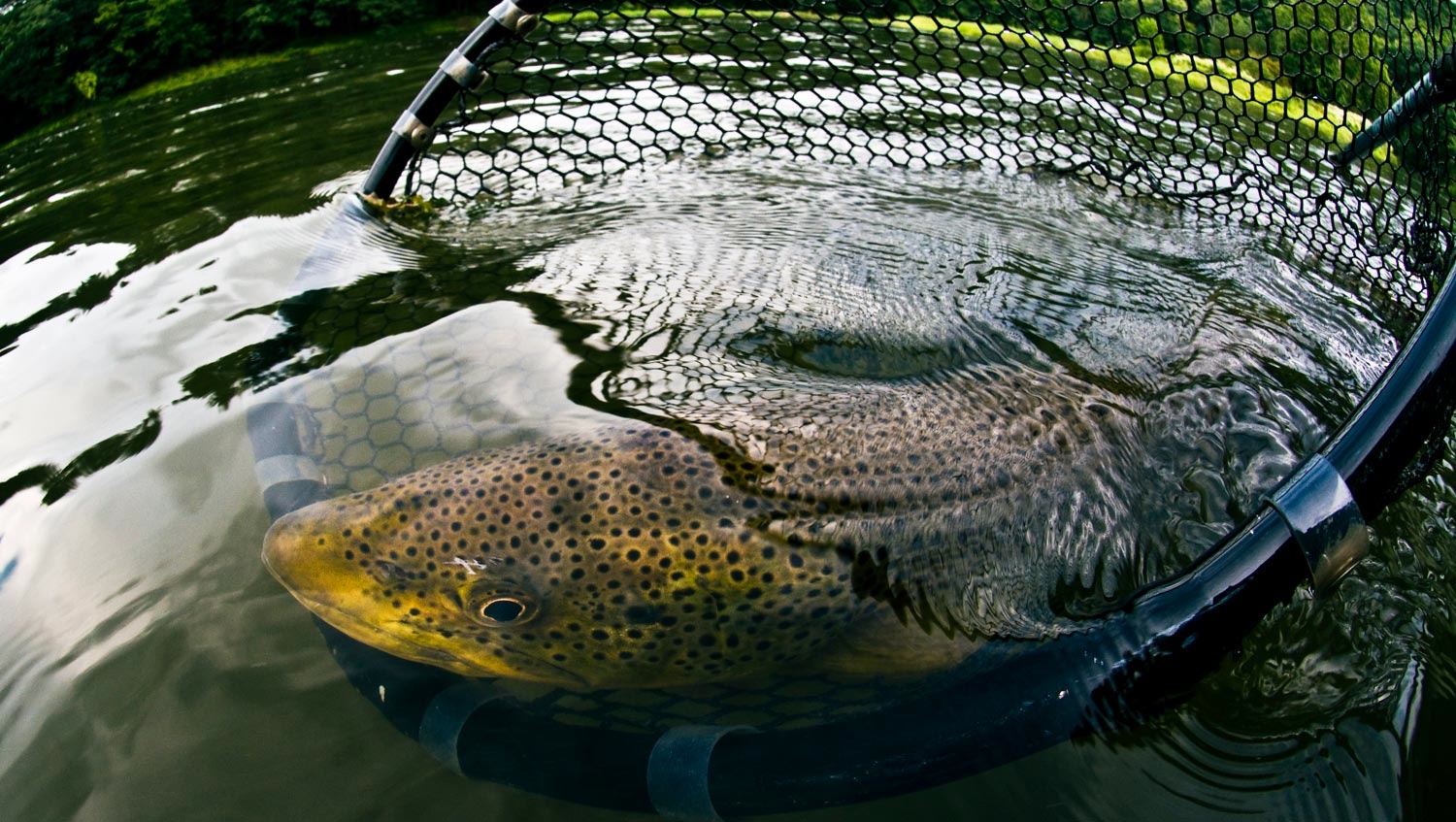
WHAT COMES TO MIND WHEN YOU LOOK AT THIS PHOTOGRAPH?
This photograph reminds me of the blissful feeling I’m overcome with, just before I release a big beautiful trout back into the wild. There’s something very special about the last few seconds that an angler spends with his/her prized catch before it’s released. Everything seems to slow down, almost as though God is making sure we have time to capture the splendidness of the moment. I like to pretend that when our eyes lock, we mutually feel admiration for each other. I respect the trout for it’s majestic beauty and the thrill of the hunt. The trout in return respects me for my angling skills and belief in catch and release.
Read More »Make White Trim Wraps Like Magic
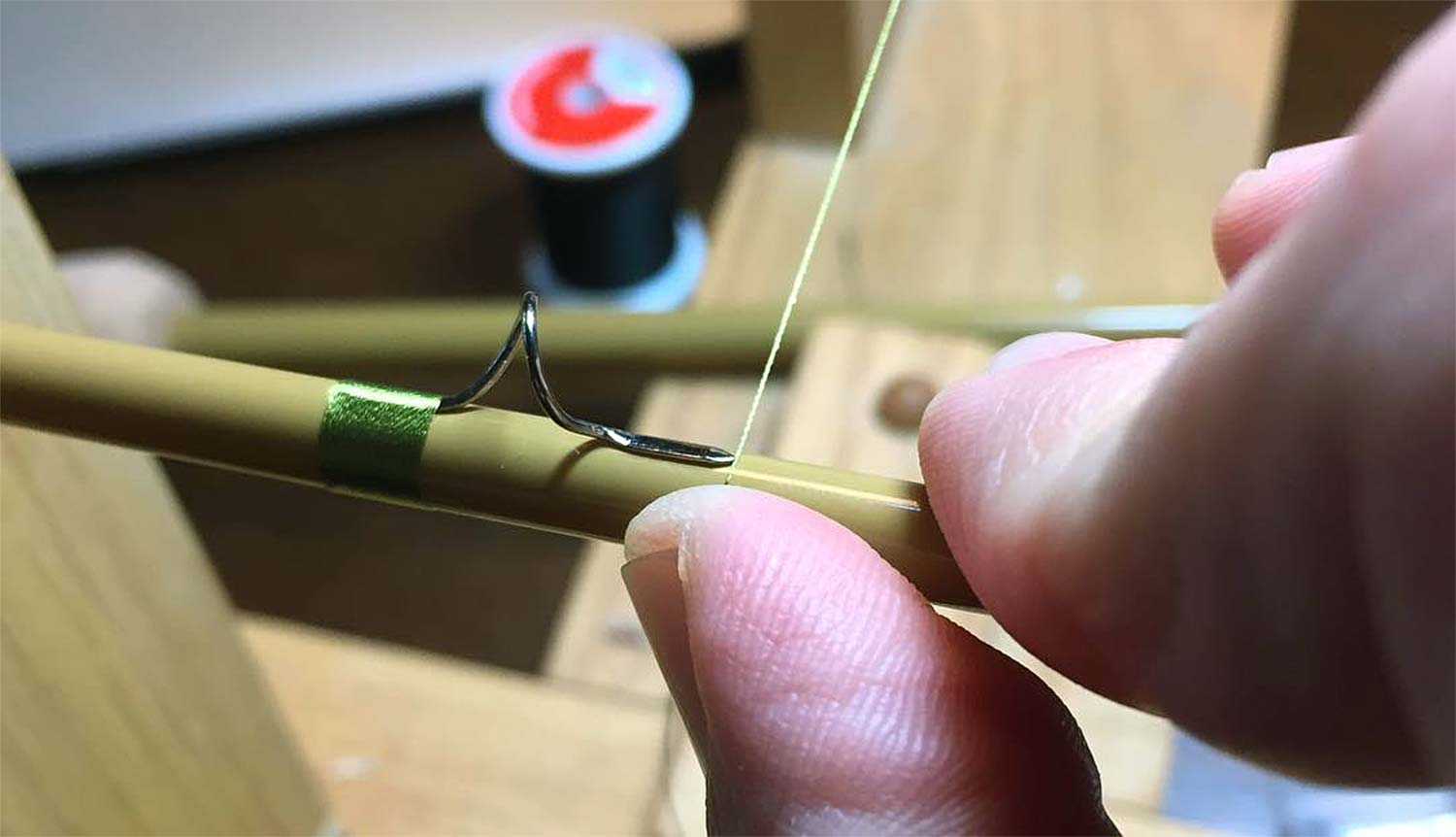
Matt Draft’s white trim wraps are one of the coolest fly rod building tricks I’ve ever seen. Making white trim wraps in traditional silk thread is a little like catching a unicorn. Doing it at all is a good trick, but making it as easy as Matt Draft, of Proof Fly Fishing, does is just brilliant. These trim wraps are super easy and really sharp looking. Watch the video and learn to make white trim wraps on your next rod build. Louis Cahill Gink & Gasoline www.ginkandgasoline.com hookups@ginkandgasoline.com Sign Up For Our Weekly Newsletter!
Read More »3 Ways to Make Your Wiggle Minnow Fish Better
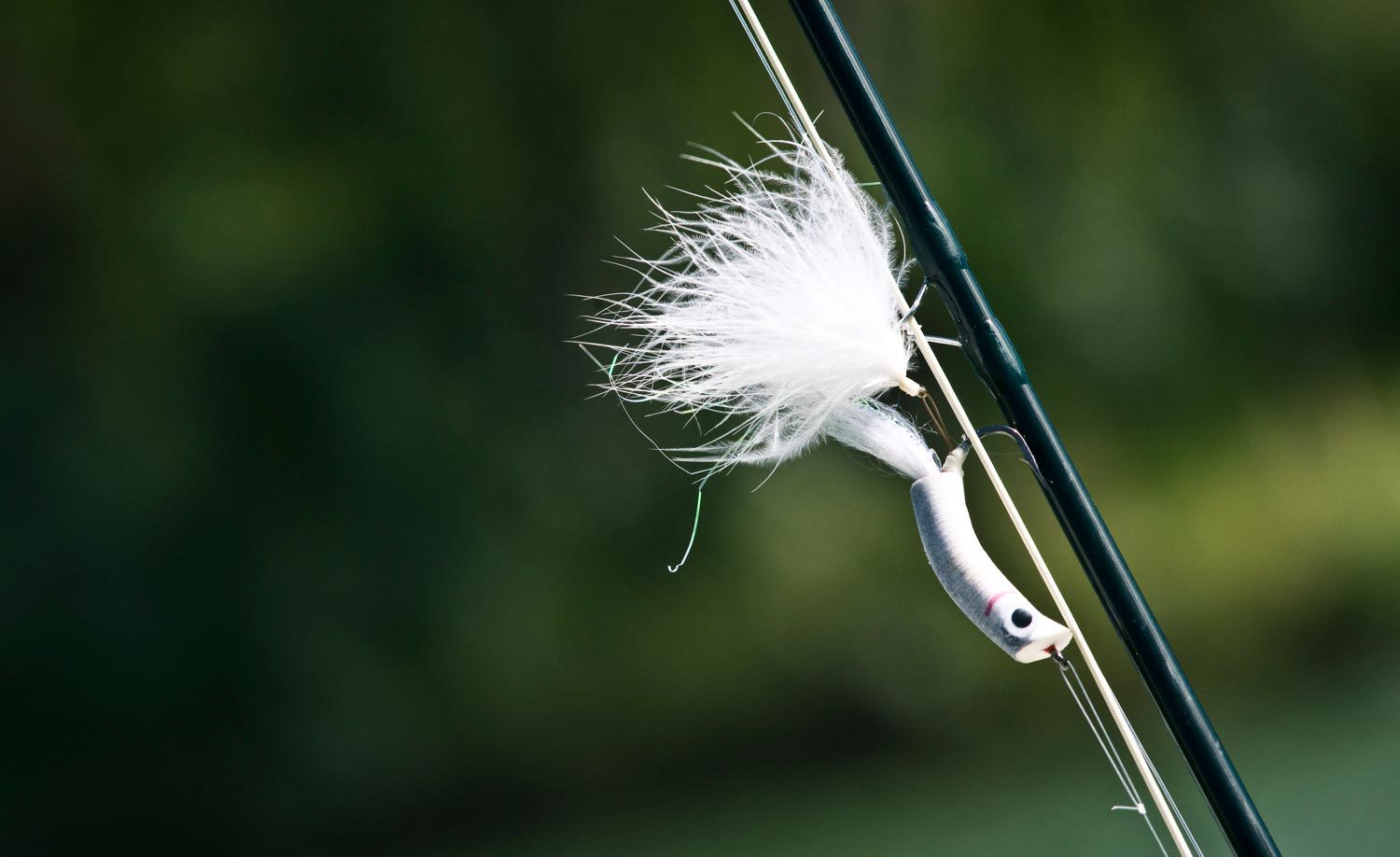
The foam wiggle minnow has been a mainstay streamer for me for trout and other predatory game fish for several years now.
When you combine its realistic swimming action and the significant water it pushes during the retrieve, its one of the best streamers I know of for calling in fish from great distances to eat. Plain and simple, the wiggle minnow will catch fish just about anywhere you visit in both fresh or salt, regardless of the water conditions you may find yourself fly fishing. Furthermore, it also fishes well on all types of fly lines (floating, intermediate, sinking) and on a wide range of rod weights. This can prove to be very valuable if you find yourself on the water with limited gear options. The last few years, I’ve been experimenting with modifications to my wiggle minnows in the effort to improve their fishability.
Read More »3 Ways to Improve Your Fly Casting on the Flats

About ten years ago, I embarked on my first international saltwater fly fishing trip, with a couple Texas boys I’d previously met while chasing peacock bass in the Amazon. The saltwater trip took place down in Mexico, specifically the Ascension Bay area. Our primary target fish were bonefish but we kept a constant lookout for permit and tarpon. The two born and raised Texas boys had grown up fly fishing in the salt, and they both had more than enough testosterone, ego and skill to handle the demanding fishing conditions. I on the other hand, had never experienced first hand the difficulties that saltwater fly fishing brings. I really struggled with spotting fish in an unfamiliar environment and managing my presentations in 25 mph winds. I’ll never forget the humbling feeling of defeat after our first day of fly fishing on the flats. My counterparts landed a dozen bonefish a piece while I only managed to catch one. Just about the entire trip I was plagued with the feeling of being under-gunned on the water. The wind totally kicked my butt and I missed numerous opportunities because I couldn’t cast far enough to consistently get my fly to the targets my guide was calling out.
At the time, the only problem I saw in my fly casting was I didn’t seem to have nearly as much power in my casting stroke as my buddies. That was true, but the real problem was I didn’t have the competency to diagnose what I was doing wrong and neither of my buddied did either. All they kept saying, over and over to me, was that I needed to work on my double-haul.
Read More »Fishing Streamers Is Still All About Presentation
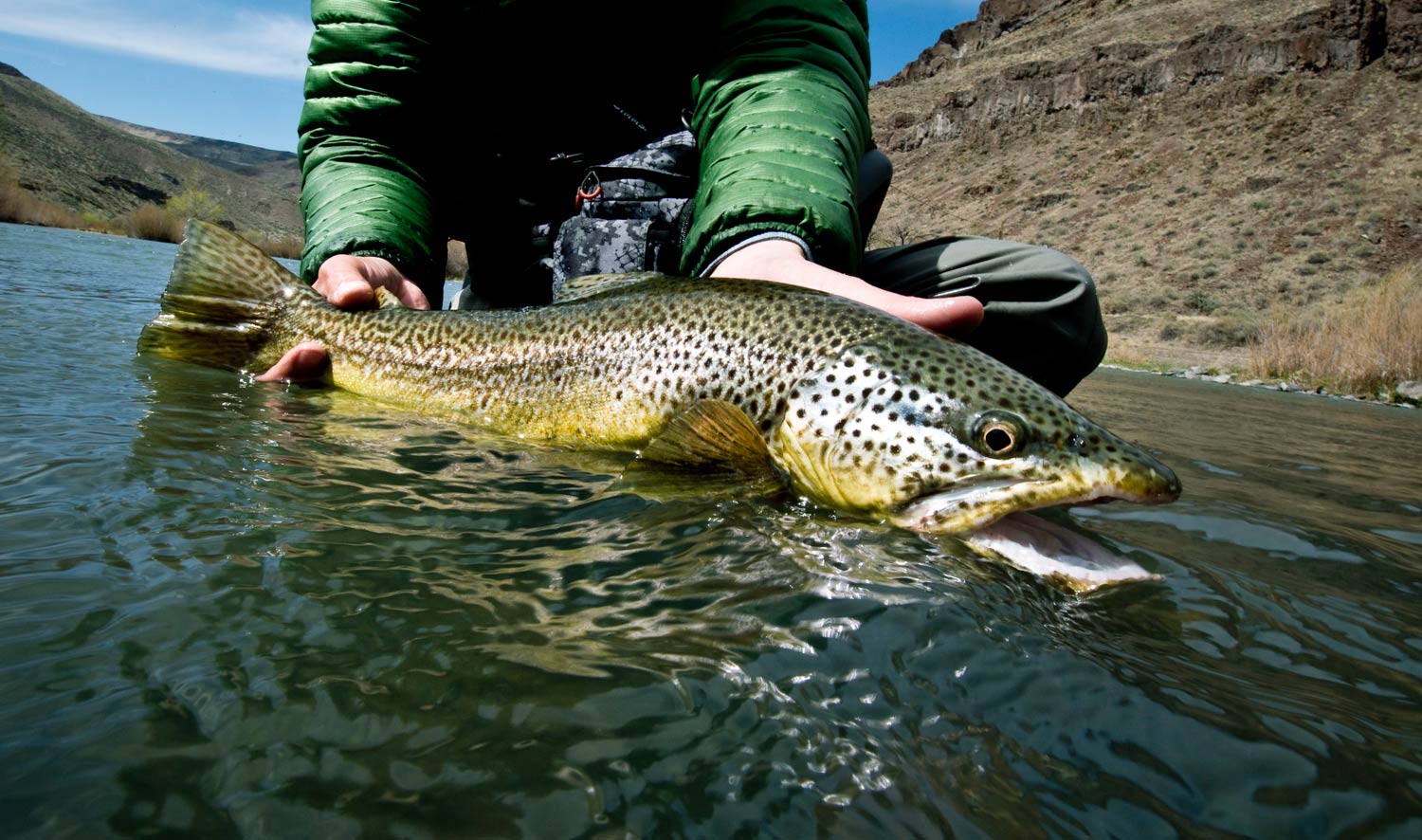
STREAMER JUNKIES, AND I INCLUDE MYSELF, GET A BAD RAP FROM THE DRY FLY CROWD.
In some places they even go so far as to call them lures, rather than streamers. The dyed-in-the-wool purest would portray those of us with the nerve to fish a four- or six-inch fly as neanderthals. The mantra of the dry fly purest is this.
“Imitation and presentation, that’s fly fishing.”
When I hear those words, I think to myself, “Is there a better description of streamer fishing?”
That’s what we’re doing, isn’t it? Imitating a type of forage food and presenting that Imitation in a manner that makes it believable. The fact that the forage food we have chosen is not an insect makes it no less artful. If your streamer is not presented in a way which the fish can appreciate, it’s still not going in the mouth.
I was reminded of this the other day when fishing a great Tailwater river with my friends Dan and Garner. Water conditions were perfect for streamer fishing and we were working the banks, buckets and blow downs hard. Each of us, streamer fishermen but each with his own style.
I worked my big articulated patterns and snaky sculpins on a long leader and intermediate line, while Garner fished a Sex Dungeon in full Galloup style with a short leader and sinking line. Dan tossed his beautiful classic Maine style streamers. All of us caught fish, but none of us caught the fish we wanted.
I’m not complaining
Read More »Reading The Body Language of Highly Aggressive Trout
By Bob Reece
As we move into the fall months, the use of streamer patterns typically increases for many fly fishers.
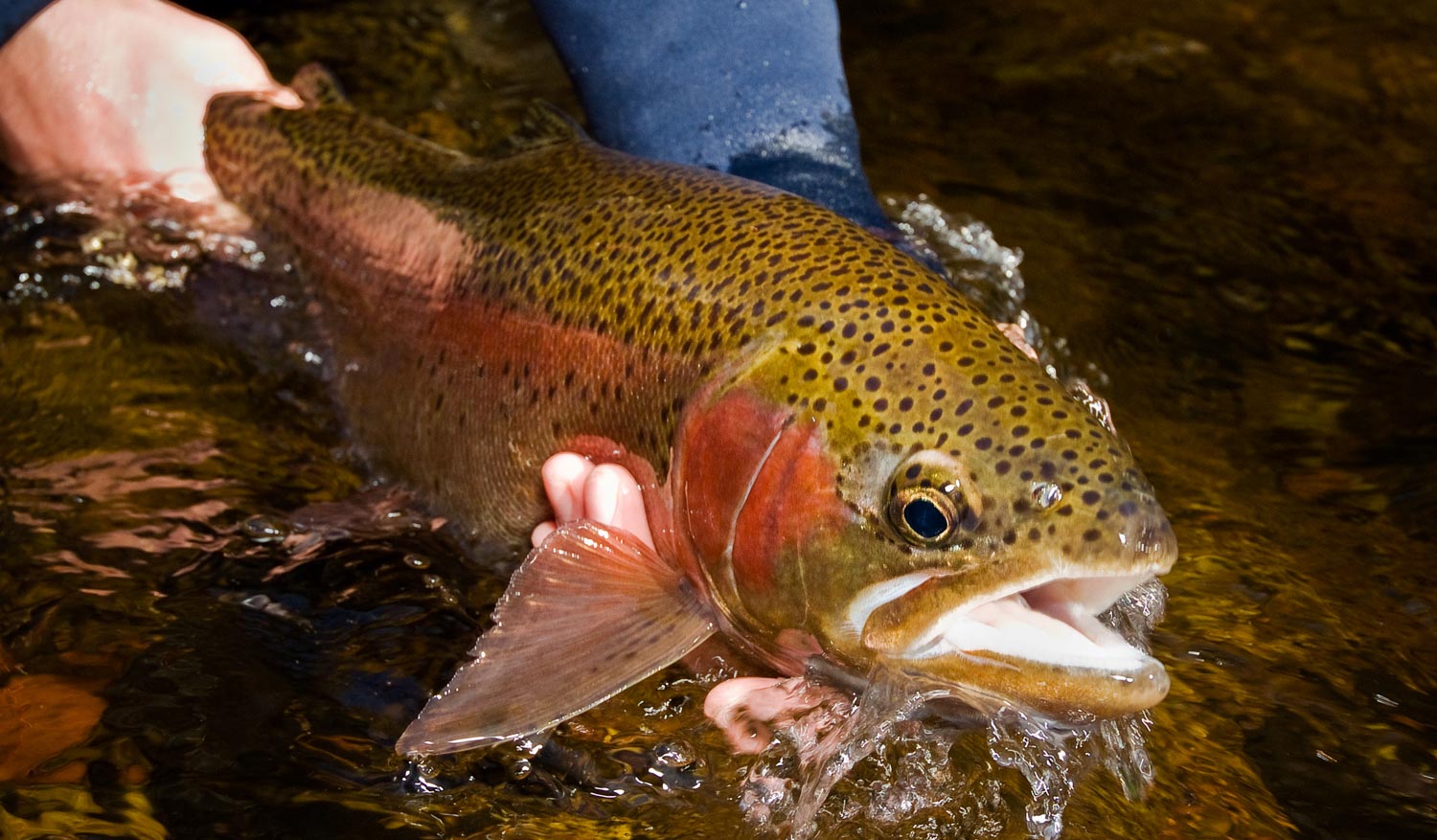
There are many factors that lead to success when pursuing trout with these beefy creations. Evaluating the body language of the aggressive fish that chase these flies can improve your odds of hooking up.
Throughout the course of the year I have countless conversations with other fly fishers. When these discussions are focused on streamer fishing, a common tale arises. I’m repeatedly told stories of “missed” opportunities or last chance swipes from aggressive fish at the end of a retrieve or as the pattern is lifted from the water for another cast. The excitement and emotion of these encounters is often evident in the eyes of the story teller.
While this story is common, its ending can often be avoided. The end of a retrieve does not always mean the end of an opportunity to hook that fish of your dreams. If an aggressive trout pauses where you finished your retrieve or actively searches the water or substrate, you should immediately place that offering back in its field of vision. When I encounter these situations, I attempt to quickly place the fly in front of and off to either side of the fish. As with many other fly fishing situations I avoid
Read More »3 Classic Flies For New Tyers
By Bob Reece
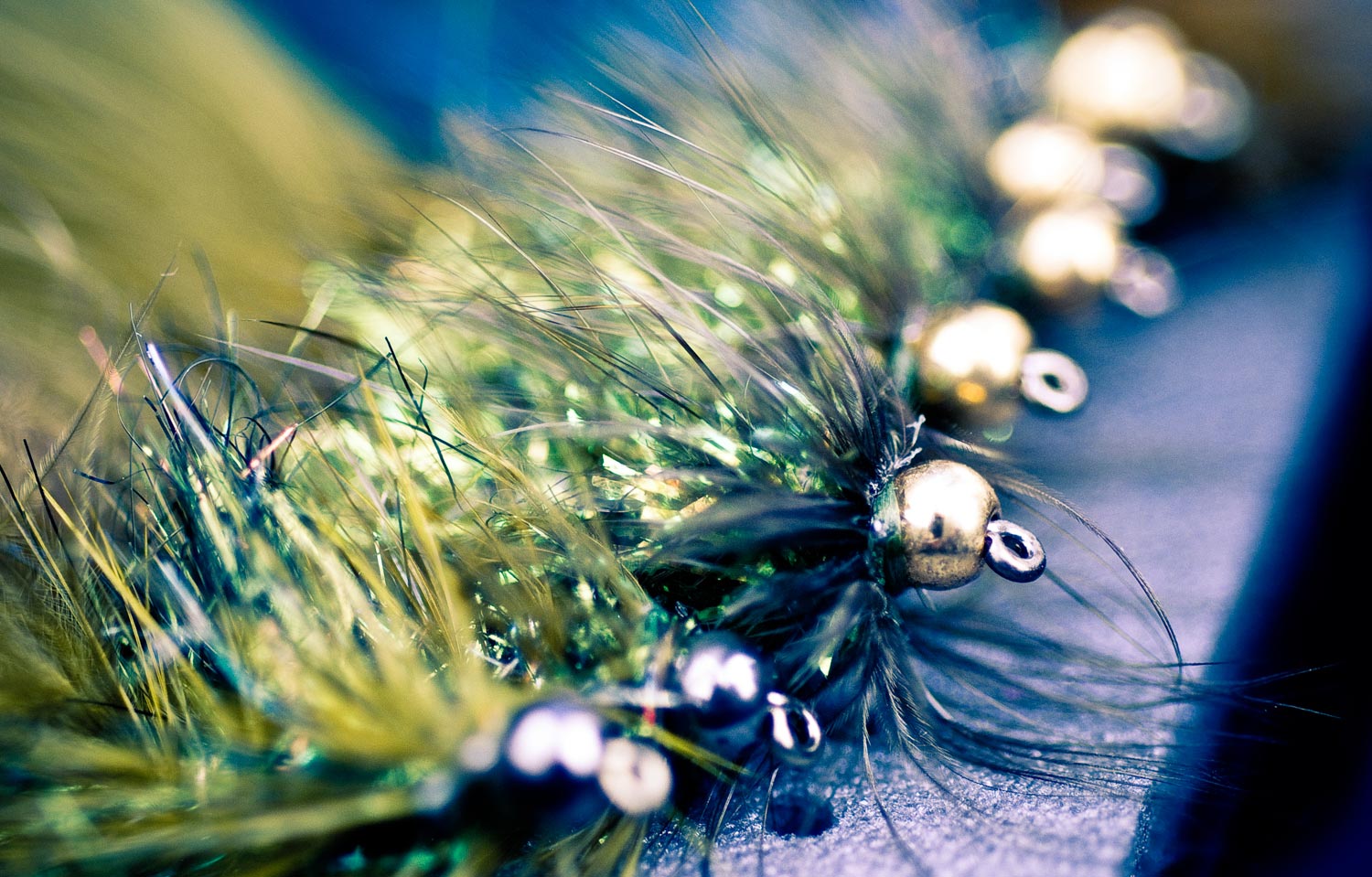
Three points of contact provide stability. There are a plethora of patterns that new tiers could begin with. Yet three in particular lay out the fundamental techniques needed to create a stabile foundation for your fly tying future.
The Woolly Bugger, Pheasant Tail and Elk Hair Caddis have all proven their worth. The results that these patterns have produced for anglers around the world are undeniable. Yet equally as important, but often overlooked, is the value of these three bugs to beginning tiers.
Successful fly tying stems from mastering techniques. Once these techniques have been mastered they can be applied to additional practices and the subsequent patterns that are created through their use. While constructing the Woolly Bugger, tiers work with tailing materials, chenille and wrapping hackles. The Pheasant tail provides a practicing ground for proper nymph proportions, feather bodies and ribbing materials. Lastly, the Elk Hair Caddis introduces the tier to dubbing, more precise hackle use and hair wings.
By learning and mastering these three patterns, new tiers can
Read More »Keep Your Hands on the Cork
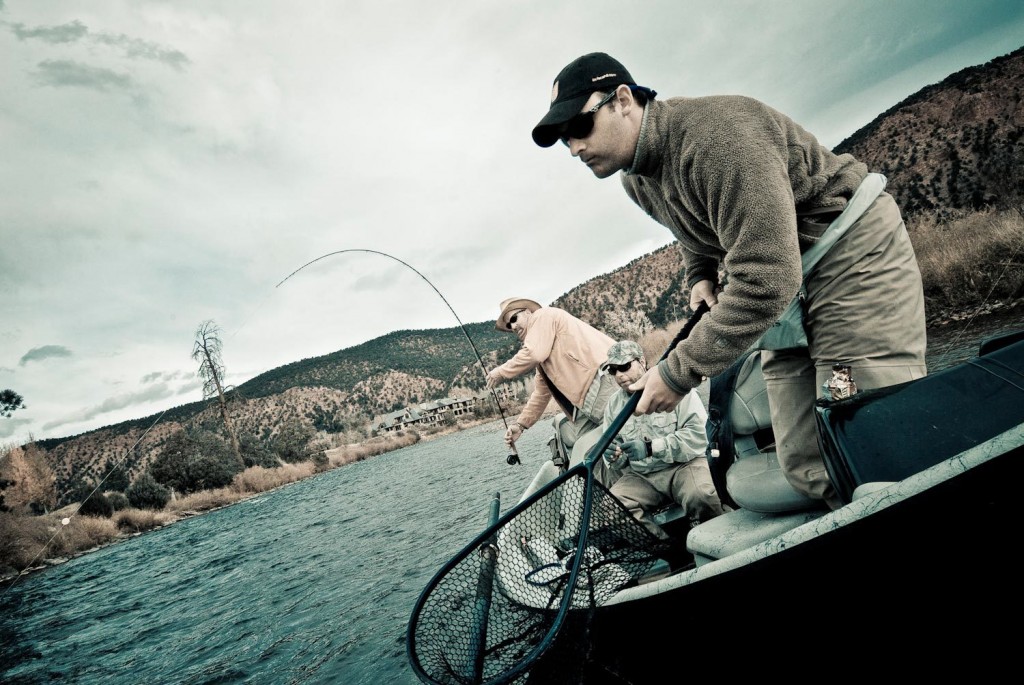
Like so many others out there, I’ve broken my fair share of fly rods over the years.
I’ve slammed them in tailgates, stuck them in ceiling fans and I’ve squashed quite a few trying to get in and out of my cataraft to quickly. It took me awhile to figure it out, but I finally realized I was the problem, and I’ve since learned to slow down and not worry about being the first angler on the river all the time. It’s kinda funny how just slowing down a few steps and taking a couple extra minutes to get organized, keeps those negligible acts of snapping fly rods to a minimum.
One overlooked fly rod handling mistake I see all the time by fly anglers, is taking their hands off the cork during the final stages of the fight, and moving one hand high up on the butt section of the rod in the effort to get extra leverage to land the fish. You never want to do this, because when you do, you change the fulcrum point of the fly rod and eliminate the fly rods ability to
Read More »